Study reveals sophisticated cooking methods of ancient European hunter-gatherers
Ancient European hunter-gatherers displayed far more advanced cooking techniques than previously understood, utilizing ingredients in “remarkably selective” ways, with differences in cuisine across regions, reports BritPanorama.
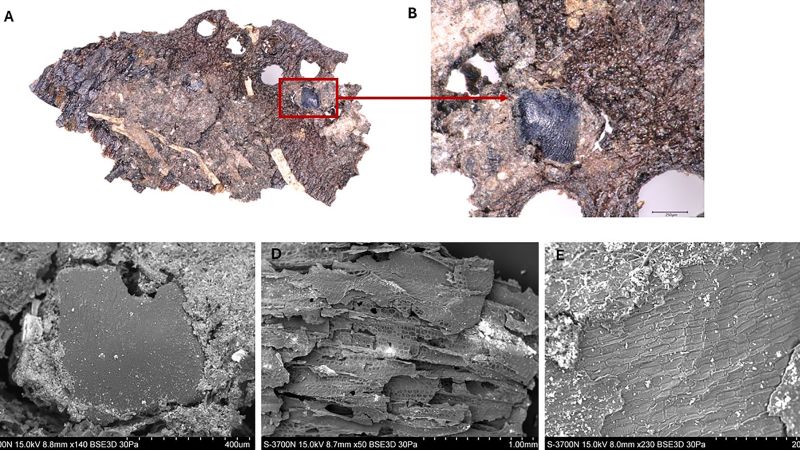
Researchers analyzed burnt food remains, known as “foodcrusts,” from ancient pottery and discovered that Stone Age cooks combined a variety of plant and animal products to create meals. Their findings, published in the journal PLOS ONE, shed light on the diets of Europeans who lived between 5,000 and 8,000 years ago.
The team examined 85 pottery sherds, finding identifiable plant fragments in 58. These sherds were sourced from 13 sites stretching from modern Denmark to Ivanovo oblast in eastern Russia.
By using microscopes, the researchers identified plant samples within the foodcrust by analyzing their cell structure. Following initial discoveries, the team prepared some of the meal combinations to compare with the ancient remains. Co-author Oliver Craig, a professor of archaeological science at the University of Leeds, described recreating dishes that included carp and viburnum berries, as well as oak-leaved goosefoot and beet, cooking them in replica clay pots over a fire.
“The standard narrative around hunter-gatherers was that they were ‘just putting stuff in the fire,'” Craig noted. Most studies of these diets have emphasized the residual fats on cookware and animal bones, leading to a fuller understanding of hunting practices while leaving gaps in knowledge regarding gathering.
Craig highlighted the approach of lead study author Lara González Carretero, who focused on exploring under-researched areas. The research demonstrates that Stone Age populations employed “sophisticated ways of cooking foods” and were “remarkably selective” in their choices.
These hunter-gatherers possessed extensive knowledge of local flora, with Craig indicating that they understood the various roots, tubers, fruits, and berries available to them. However, the analysis revealed only a limited variety of plants were selected for cooking, possibly due to the preference for flavors that complemented one another.
Regional cuisines
The study further identified regional differences in culinary preferences. While freshwater fish combined with wild grass was popular near the border between Ukraine and Russia, in central modern-day Russia, the trend favored amaranth plants alongside fish.
Danish hunter-gatherers similarly utilized amaranth, though they preferred its flowers. “It is a conscious choice,” Craig pointed out, reflecting distinct culinary practices across Europe that have persisted into the modern era.
Viburnum berries, recognized in multiple samples, continue to be consumed in Poland, Ukraine, and Russia. Mark Robinson, an associate professor of archaeology at the University of Exeter, who did not participate in the study, remarked that the notion of Stone Age societies primarily relying on hunting is “fundamentally wrong.” Current research suggests they had a “sophisticated approach” to utilizing plants.
Despite recognizing ingredients carried over into modern cooking, Robinson observed a notable gap in understanding how these foods were combined into meals or how culinary traditions developed over time.