Research reveals ancient bacteria resistant to modern antibiotics
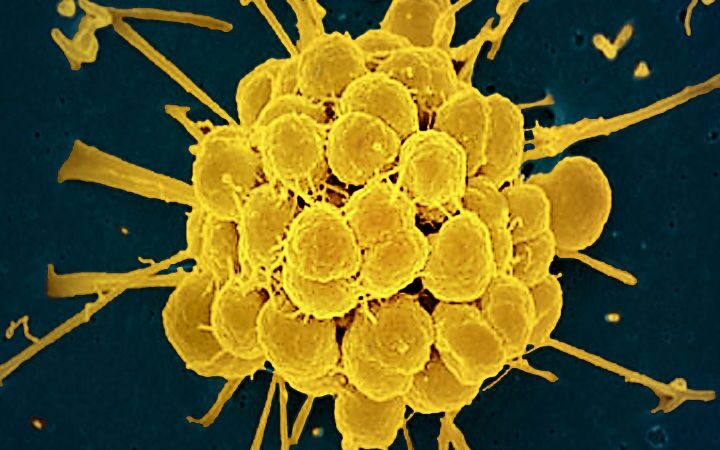
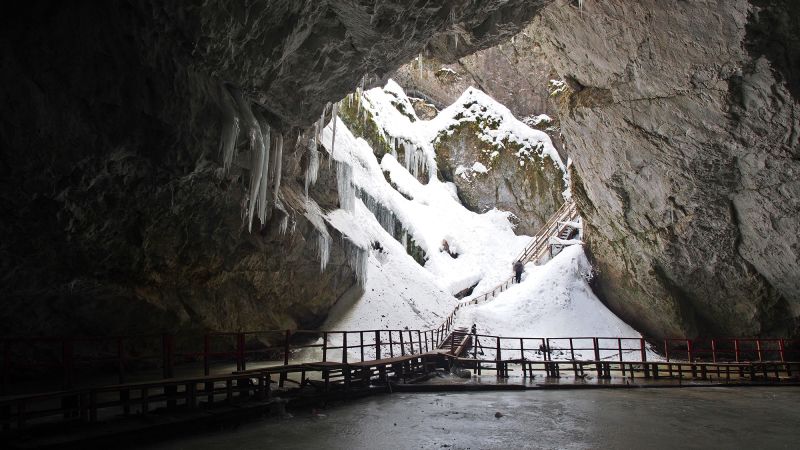
A new study has identified a bacterial strain from a glacier in Romania that shows resistance to multiple modern antibiotics, including those used to treat common infections. This strain, known as Psychrobacter SC65A.3, was discovered in the Scarisoara cave, which contains one of the world’s largest underground glaciers formed approximately 13,000 years ago, reports BritPanorama.
Researchers found that this ancient bacteria is resistant to ten antibiotics, including trimethoprim, clindamycin, and metronidazole. While no direct threat to human health has been established, the existence of such resistant bacteria prompts concern over the implications of thawing ancient microbes as global temperatures rise.
“Ancient bacteria can resist modern antibiotics because antibiotic resistance is an ancient evolutionary characteristic,” said Cristina Purcarea, a senior scientist at the Institute of Biology Bucharest. The study, published in Frontiers in Microbiology, argues that resistance has evolved as a result of competition between microbial species over millions of years, independent of human intervention.
The implications of these findings extend beyond just one bacterial strain. As per the researchers, many bacteria survive extreme conditions, such as those found in the ice caves, which allows them to exchange DNA and exhibit antibiotic resistance. This phenomenon raises questions about the potential release of ancient pathogens as ice melts due to climate change, with some possibly carrying unknown characteristics that could impact modern ecosystems.
Purcarea emphasized the delicate balance of microorganisms, noting, “While most are harmless, some could carry antibiotic resistance that might affect current ecosystems.” The urgency surrounding the identification of new antibiotic candidates is underscored by estimates from the World Health Organization that nearly 5 million people die annually due to infections linked to antimicrobial resistance.
Scientific and practical implications
The genetic analysis of Psychrobacter SC65A.3 revealed that it harbors genes capable of combating other harmful bacteria, fungi, and viruses. This points to potential pathways for developing new antibiotic treatments as existing medications face growing resistance.
Matthew Holland, a postdoctoral researcher at the University of Oxford, commented on the significance of these findings, noting the potential of discovering new antibiotic compounds from extreme environments. The research highlights the importance of ongoing exploration in diverse and under-explored ecosystems, which may yield valuable novel biomolecules.
As the scientific community continues to grapple with the implications of antibiotic-resistant bacteria, the study provides critical insights into the natural origins of resistance mechanisms. The discovery underlines the importance of monitoring the impacts of climate change on microbial populations and the need for innovative solutions to combat the increasing threat of superbugs.