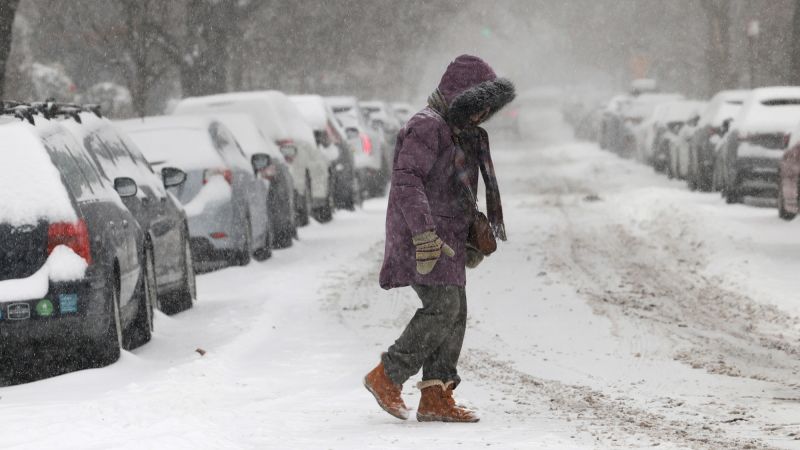
Prolonged extreme cold weather affects millions across the United States
Much of the United States is experiencing prolonged and extreme cold weather, with recent winter storms, dangerous wind chills, and record low temperatures affecting millions of people, reports BritPanorama. As winter stretches on, many individuals grapple with daily commutes while trying to maintain outdoor activities and safely let children play outside.
Cold weather brings real health risks and raises practical questions about daily life that are not solely solved by wearing warm clothing. For instance, how does extreme cold affect the body? What precautions are essential when venturing outside? How can families balance safety with remaining active, especially for children? Moreover, what should individuals know about protecting themselves during extended cold spells?
To address these concerns, health expert Dr. Leana Wen, an emergency physician and clinical associate professor at George Washington University, provided insights. Dr. Wen, a former health commissioner for Baltimore, is also a parent whose focus includes keeping her children safe from the elements as cold weather impacts Maryland.
Why does extreme cold pose health risks, and who is most vulnerable?
Dr. Leana Wen: Extreme cold stresses the body in multiple ways. Cold temperatures cause blood vessels to constrict, increasing blood pressure and forcing the heart to work harder. Breathing cold air irritates the airways, and prolonged exposure elevates the risks of frostbite and hypothermia. Additionally, cold weather reduces dexterity and balance, making falls more likely, and contributes to a rise in motor vehicle accidents due to icy conditions.
Certain groups face heightened risk for cold-related illnesses. Older adults often exhibit a diminished ability to regulate their body temperature, while young children may lose heat more quickly and struggle to recognize hypothermia symptoms. Individuals with heart or lung disease, diabetes, circulation issues, or mobility challenges are also more susceptible. Medications impacting alertness or circulation can further increase risk. While these individuals do not need to remain indoors throughout the cold, they should exercise increased caution.
What preparations should be made before going outside in frigid conditions?
Wen: Preparation is key. Always check both the temperature and wind chills prior to heading out, not just the forecasted high temperatures, as wind significantly enhances heat loss. Plan your outdoor duration and identify nearby locations to warm up if necessary.
It’s advisable not to exercise outdoors alone. If you must, inform someone of your whereabouts and consider sharing your live location. Moreover, ensure your phone is charged. If driving, maintain at least a half-full gas tank and carry essentials such as blankets and warm coats in case of delays.
What injuries are most concerning once outdoors?
Wen: Falls represent one of the most common and serious winter injuries. Black ice, often invisible, can form on sidewalks and roadways even when conditions appear clear. Slipping can lead to fractures, head injuries, and spinal injuries, with older individuals particularly vulnerable due to lower bone density and a greater likelihood of taking blood thinners.
Moreover, exposure to extreme cold significantly increases the danger of frostbite, which can develop on exposed skin in mere minutes—especially on fingers, toes, ears, and noses. Frostbite damages both skin and underlying tissues and can result in permanent injury if not treated promptly. Warning signs like numbness often precede pain, which can complicate self-awareness.
What about shoveling snow? Is it a hazard?
Wen: Shoveling snow can put undue strain on the heart and muscles, particularly with heavy or wet snow. Those with heart disease, high blood pressure, or other cardiac risk factors should consult a clinician regarding safety and may wish to seek assistance. Everyone is advised to pace themselves, take breaks frequently, push rather than lift snow when possible, and seek immediate help if experiencing chest pain, shortness of breath, dizziness, or unusual fatigue.
What duration is safe to remain outdoors in severe cold?
Wen: There is no definitive safe time limit, as it varies based on temperature, wind chill, clothing, activity level, and individual health. Short stints outside can still pose risks without appropriate protection. Staying attuned to local weather updates is crucial as temperatures can fall suddenly.
Submitting to your body’s signals regularly is advisable. Symptoms like numbness, intense shivering, clumsiness, or confusion indicate it’s time to return indoors for warmth. Brief, purposeful excursions outdoors are safer than prolonged exposure.
Is it safe for children to play in the snow? What should caregivers monitor?
Wen: Children can safely enjoy playing in the snow under reasonable conditions and with appropriate clothing. Supervision and time limits are essential. Ensure they wear insulated, waterproof attire, including dry gloves and socks, and establish regular breaks to warm up. Watch for signs such as pale skin, shivering, irritability, or tiredness, as resistance to returning outside can signal adequate exposure.
What actions should individuals take upon returning indoors from the cold?
Wen: Warming should be a gradual process. It is vital to remove wet clothing immediately and change into dry layers. If frostbite is a concern, use blankets or warm clothing rather than hot showers or heating pads directly on cold skin, as these can cause further injury.
Warm drinks can assist in raising body temperature, although alcohol should be avoided since it exacerbates heat loss. Regular checks on hands and feet are prudent, noting any areas that feel numb or hard, which could indicate frostbite. If symptoms persist despite gentle warming, medical attention should be sought.
How can one maintain physical activity during unsafe cold conditions?
Wen: Staying active is crucial during extended cold spells. Indoor workouts can be effective during particularly bad weather. Special equipment isn’t necessary; body-weight exercises, stretching, stair climbing, or following workout videos can suffice.
Additionally, brief periods of activity or “exercise snacks” throughout the day can culminate positively. Regular standing up, household chores, or walking around can help sustain circulation and flexibility.
What is a common mistake made during prolonged extreme cold?
Wen: A prevalent miscalculation involves underestimating risk. Many appear confident managing cold weather but venture out without suitable clothing, extend their time outdoors, and disregard their body’s warning signs.
Another frequent oversight is pushing through discomfort. Cold-related injuries develop gradually; therefore, paying attention to conditions, planning adequately, and being willing to limit activities are fundamental for safety during extreme cold.
The persistent risk of severe cold weather underscores the necessity for awareness and preparedness as temperatures continue to challenge millions across the nation.