Redefining household dynamics
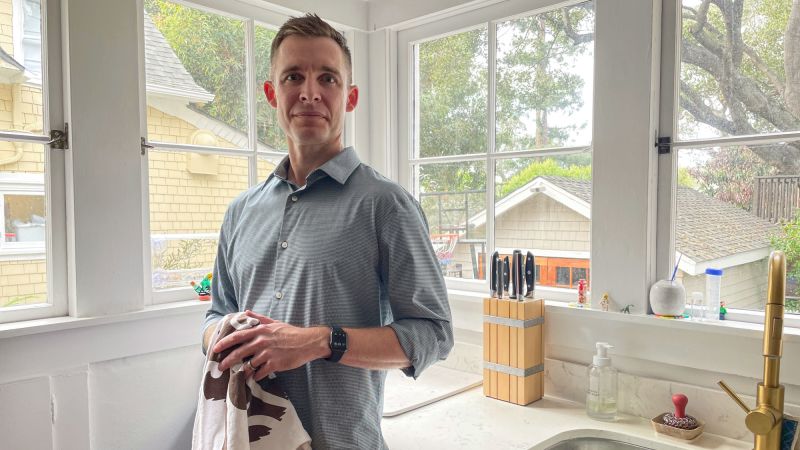
In a recent examination of household labor dynamics, Spencer Hilligoss, a 42-year-old entrepreneur from the Bay Area, reflected on how traditional roles affected his marriage. Early in their relationship, he acknowledged prioritizing his work over shared responsibilities at home, while his wife carried the greater burden of household tasks, reports BritPanorama.
As their family grew and responsibilities increased, the strain on their relationship became more evident. Hilligoss’ wife expressed her frustration with the uneven distribution of labor, prompting a significant conversation that challenged his perspective. “That hit me hard,” he recounted. “I felt criticized, and my first reaction was to become defensive or withdraw.”
This dialogue echoes findings from sociologist Arlie Hochschild’s influential work on domestic labor, which highlights enduring gender gaps in household responsibilities. Despite some progress in recent decades, evidence reveals that traditional gender norms persist, with surveys indicating women continue to manage the majority of childcare and housework, often leaving them feeling exhausted and frustrated.
In therapy sessions, many men express awareness of this imbalance yet struggle with changing established habits. The inertia of these gender norms affects both relationships and mental health, as unequal duties can lead to diminished relationship satisfaction and higher divorce rates.
Strategies for equitable partnerships
Addressing this imbalance requires a shift in mindset. Psychologist Dr. Morgan Cutlip emphasizes the importance of engaging men in discussions about domestic responsibilities without blame. Those seeking to recalibrate their household dynamic must consider their partner’s upbringing and social conditioning, which shapes behaviors. Building understanding allows for calmer, more productive dialogue.
For Hilligoss and his wife, treating the partnership as a team rather than adversarial helped foster ongoing collaboration. Using a shared online calendar proved enlightening, revealing the visibility of domestic labor, often unnoticed by men. “With that came so much less tension, and more warmth and connection,” said Hilligoss.
The positive ripple effects of equitable division extend beyond shared responsibilities; they also enhance the overall satisfaction within the family unit. Understanding how fairness can lead to happier and more fulfilling relationships is crucial. Dr. Daniel Carlson notes that a fair distribution of labor leads not only to greater happiness for men but also fosters closeness with their children.
Building a culture of recognition
The dialogue around household responsibilities doesn’t just need to be about the tasks themselves, but also about recognizing contributions to strengthen emotional connections. Zachary Watson, a men’s life coach, found that deliberate gratitude towards his partner improved their communication. Noticing and acknowledging each other’s efforts in managing home and family tasks can lead to a more appreciative and collaborative atmosphere.
Ultimately, moving towards a more balanced partnership requires ongoing commitment to dialogue, empathy, and shared responsibility. Shifting the narrative from competition to cooperation can help couples navigate the complexities of modern relationships and ensure that both partners feel valued and respected.
The evolution of household dynamics continues to challenge traditional gender expectations, potentially leading to more sustainable and satisfying family life — if both partners choose to engage as equals in this shared venture.