Abortion clinic closures continue to affect access in the United States
Dozens of abortion clinics have closed across the US following the Supreme Court’s Dobbs decision, which revoked the federal right to an abortion in June 2022. This trend has primarily affected states that enacted bans, but it has also impacted even those with protective abortion policies, leaving them to cope with reduced resources, reports BritPanorama.
At the end of 2025, there were 753 brick-and-mortar abortion clinics in the US, according to a new report by the Guttmacher Institute — 54 fewer than in 2020, which includes a net loss of 12 clinics since March 2024.
“Running a clinic in an environment like we have today is oftentimes not sustainable,” said Brittany Fonteno, president and CEO of the National Abortion Federation. Financial viability and community backing are critical factors in the operation of these facilities.
While abortion remains legal and is protected in New York, where voters enshrined the right in the state’s constitution in 2024, Guttmacher data indicates that the state has lost eight clinics since the beginning of that year, marking one of the most significant decreases nationwide.
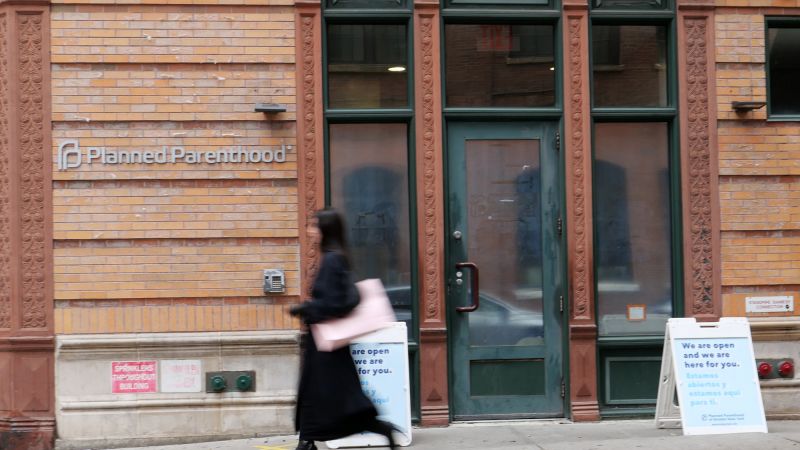
Among the clinics that closed recently was a Planned Parenthood facility in New York City, the only one in Manhattan. Chelsea Williams-Diggs, executive director of the New York Abortion Access Fund, described the closure as “a big blow.”
“All clinic closures are a travesty,” she added. “But the Planned Parenthood on Bleecker Street was a powerhouse of a clinic that was able to do so much for folks.” Planned Parenthood typically accepts a broader range of insurance coverage than smaller independent clinics, and its Manhattan location could often enroll eligible patients in Medicaid on the same day. It also provided abortions after the first trimester, a service which is becoming increasingly rare.
Williams-Diggs noted that the available services directly influence abortion access and the roles of support organizations. “If more folks don’t have health insurance, if more folks are strained economically, that means more folks will be calling NYAAF to help them pay for an essential health care service,” she stated.
In a statement regarding the closure, the president and CEO of Planned Parenthood of Greater New York pointed out that “the gap between inflation and stagnant reimbursement rates has forced us to make difficult but necessary decisions.” The clinic system has had to shut down over 50 health centers in the past year, some of which provided vital abortion care.
Angela Vasquez-Giroux, vice president of communications for the Planned Parenthood Federation of America, explained that such closures create “unsustainable financial realities” and hinder the ability of individuals to access necessary healthcare services.
“When a health center is forced to close, all patients lose access to their trusted provider, and entire communities are left unable to get high-quality reproductive health care, including abortion in many places,” she remarked. The evolving landscape necessitates continuous tracking of clinic numbers, according to Rachel Jones, a principal research scientist at Guttmacher and lead author of the report. However, she cautions that the overall change in clinic numbers is a mere reflection of a much more complex reality.
“If it’s a place that doesn’t advertise that they provide abortion care, then it’s not really accessible to a lot of people,” Jones emphasized. Factors such as insurance types and the specifications of services offered further complicate access, forcing some individuals to seek care beyond their immediate geography.
Since the onset of the Dobbs decision, the number of people traveling out-of-state for abortion care has doubled, with approximately a quarter heading to Illinois. The state, a critical access point for abortions, has reportedly seen a decrease in its own services, having 31 clinics at the close of 2025, two fewer than in March 2024.
Despite this, experts highlight the resilience of Illinois due to strong community backing. For instance, the newly opened Hope Clinic in Chicago began offering vital reproductive health care services, including later-term abortions, amidst the overall decline. Co-owner Julie Burkhart explained that they identified a critical need for such services in the Chicago area following the Dobbs ruling.
Telehealth abortion services have gained traction since late 2021. By the first half of 2025, over a quarter of all abortions in the US health care system were conducted via telehealth, a steep rise from less than 10% in early 2023. However, the overwhelming majority of abortions still occur in person, influenced by both personal preference and necessity.
Experts express concern that increased demands on in-person services are likely due to restrictions on access stemming from the Dobbs ruling. “When there are abortion bans and people can’t get access to the care they need earlier in pregnancy, that doesn’t necessarily stop their need for that care,” Fonteno noted. “One of the outcomes of abortion bans is seeing people be pushed further into their pregnancy by the time they get the care they need.”
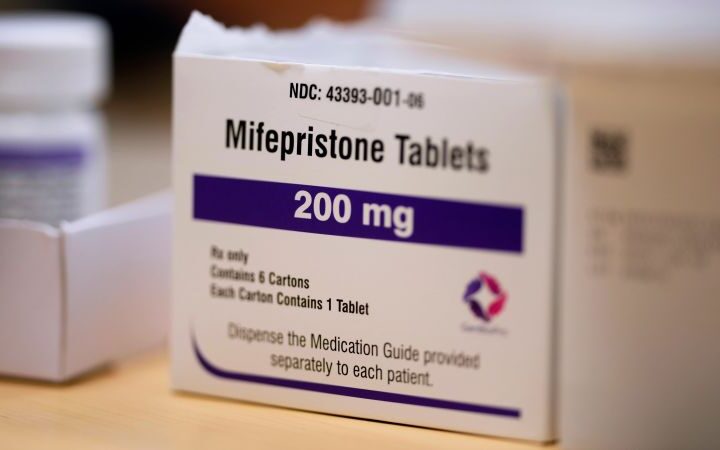
Concerns include potential federal limitations on medication abortion, which could further diminish clinic resources. Movement from the Trump administration seeking to review the safety and efficacy of medication abortion drugs, in contrast to established clinical evidence, has only compounded the uncertainty.
As providers strategize for a challenging future, Fonteno asserts the resilience and innovative spirit of abortion clinics amidst ongoing pressures. “Brick-and-mortar clinics will always have a place in communities across the country,” she concluded.