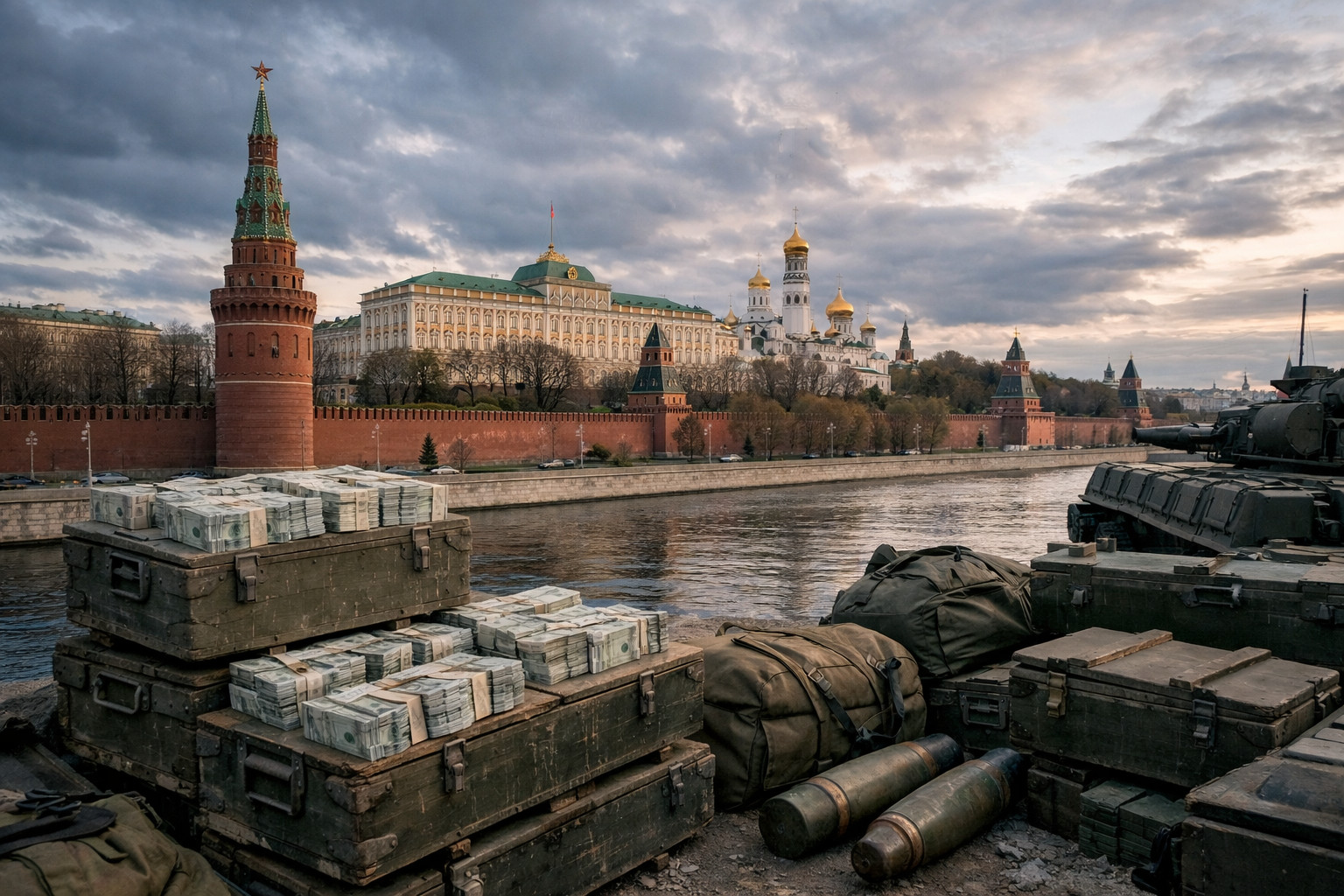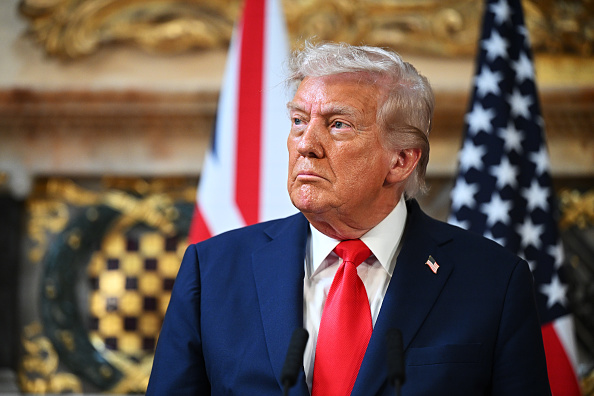
The United States is preparing for a possible escalation of economic pressure on Russia after President Donald Trump agreed to advance a bipartisan sanctions bill, according to senior Republican lawmakers. The move signals a potential recalibration of Washington’s strategy at a moment when diplomatic efforts to end the war in Ukraine have stalled and frustration with Moscow’s position is growing.
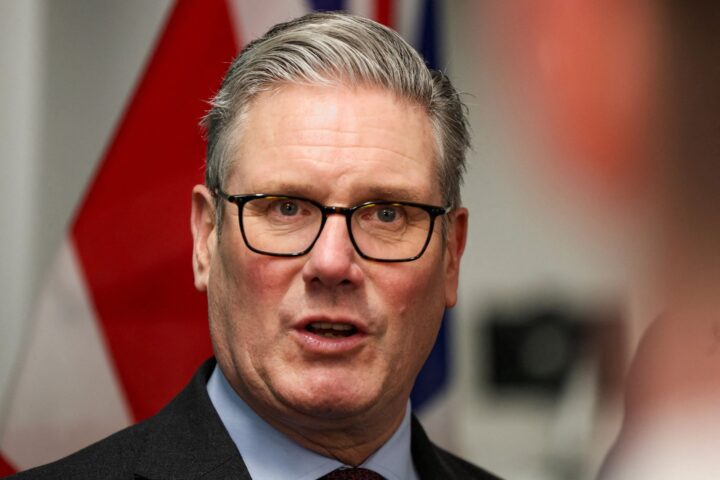
On January 8, Senator Lindsey Graham said Trump had given approval for the legislation to move forward, calling the decision timely as Kyiv makes concessions in pursuit of peace while Russia continues military operations. Graham said the bill could be brought to a vote as early as next week, indicating rising momentum in Congress for tougher measures.
Sanctions resurface as leverage amid stalled negotiations
The statement comes at a critical phase of discussions around a possible settlement, where repeated rounds of talks have failed to produce meaningful compromises from the Kremlin. Against this backdrop, the renewed focus on sanctions reflects a willingness in Washington to rely once again on economic coercion rather than diplomatic signalling alone.
Lawmakers close to the process say the initiative reflects concern that prolonged negotiations have given Moscow time to adapt, without altering its core objectives. Reintroducing the threat of far-reaching sanctions is seen as a way to reset the balance and reassert pressure on Russia’s leadership.
Secondary tariffs target Russia’s energy partners
The proposed legislation would significantly expand the scope of US sanctions by introducing secondary tariffs of up to 500% on countries that continue importing Russian oil and gas. If enacted, the measure could disrupt the financial channels that sustain Russia’s energy exports, which remain a central source of state revenue.
By extending pressure beyond Russia itself, the bill aims to force difficult choices on major buyers of discounted Russian energy. Reduced export income would directly affect Moscow’s budget and its ability to fund military operations, increasing the economic cost of prolonging the war.
Presidential approval leaves room for manoeuvre
Despite Graham’s announcement, the bill’s future remains uncertain. Trump has previously shifted positions on sanctions, often using the prospect of punitive measures as leverage in negotiations rather than as an end in itself.
Analysts suggest the White House may keep the option of signing the bill in reserve, using congressional momentum as a bargaining chip to extract concessions from Moscow. In this sense, sanctions remain both a policy tool and a negotiating instrument.
Congress seeks to lock in long-term pressure
The bipartisan nature of the proposal strengthens its political significance. Support from both parties reduces the risk that tougher sanctions could be dismissed as a temporary or partisan move, instead framing them as part of a durable US consensus on Russia.
For Congress, the bill represents an effort to constrain future policy swings and limit the scope for unilateral concessions to Moscow. It also sends a signal to allies that Washington’s readiness to apply economic pressure is backed by institutional agreement, not just executive discretion.
Global repercussions for energy markets
If adopted, the legislation would have far-reaching implications beyond Russia. Countries such as China, India and Brazil would face new risks to their trade with the United States, forcing them to weigh the benefits of cheap Russian energy against potential losses in access to Western markets.
Graham outlined these stakes in his public statement on X, where he argued that tougher sanctions would give the US president leverage not only over Moscow but also over its key economic partners. The coming weeks will show whether Washington is prepared to turn that leverage into binding policy, marking a shift from restraint to sustained economic pressure.