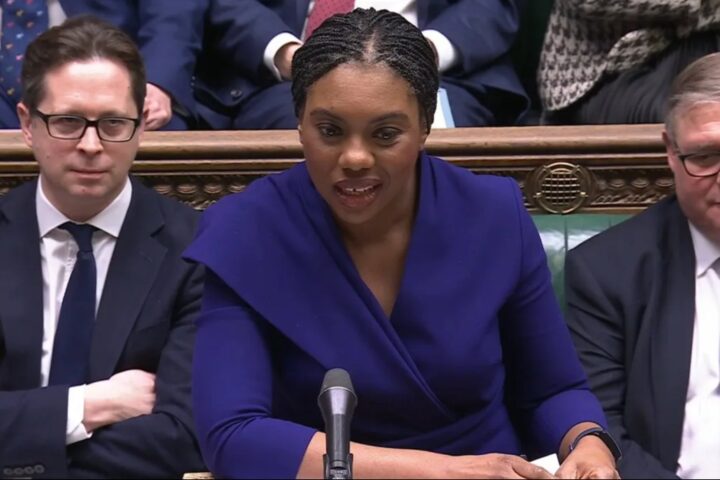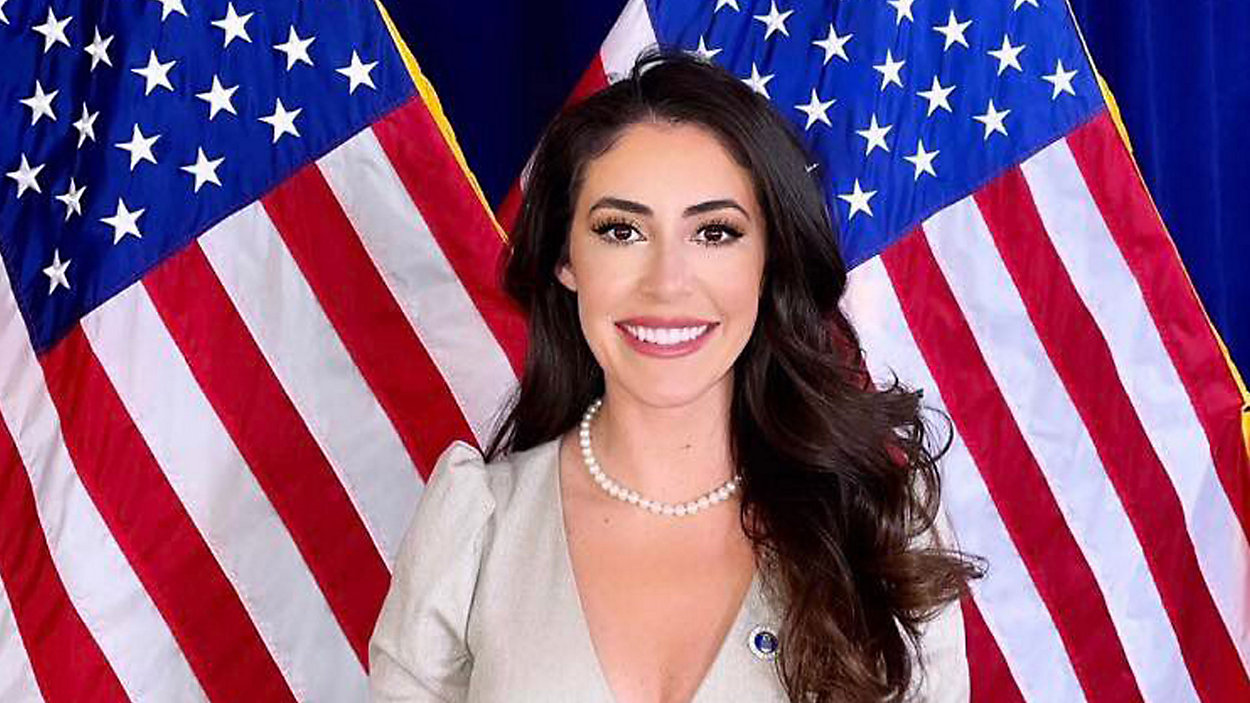
Republican congresswoman Anna Paulina Luna has invited members of the State Duma of the Russian Federation to Washington for consultations on ending the war in Ukraine, expanding trade and improving bilateral ties. She framed the initiative as part of discussions on a peaceful settlement, stating that “peace must always prevail”. No formal mandate from congressional leadership or the executive branch has been publicly confirmed. The proposal comes amid continuing US sanctions on the Russian parliament.
Kremlin poised to frame contact as diplomatic breakthrough
Russian authorities are expected to depict any such meeting as evidence that Moscow’s international isolation is weakening. Even an informal exchange could be presented domestically as proof that Russian lawmakers are being received in the United States at parliamentary level. The emphasis would likely rest on the symbolism of engagement rather than substance. Analysts note that this narrative would serve to reinforce claims inside Russia that sanctions are ineffective and that Western unity over Ukraine is eroding.
Moscow is also likely to avoid clarifying who initiated the contact, leaving the impression that dialogue reflects a broader shift in Washington. Such messaging could be used to argue that parts of the US Congress favour renewed engagement despite the ongoing war. That framing would seek to legitimise the State Duma internationally while casting doubt on the coherence of US policy.
Domestic political positioning and sanctions context
Luna, aligned with the right wing of the Republican Party, voted against the Ukraine assistance package H.R. 8035. Her rhetoric has included criticism of continued US military aid and calls to reduce overseas spending. She has said the planned discussions would concern negotiations between Moscow and Kyiv, presenting them as constructive dialogue.
The absence of official confirmation from the State Department has raised questions in Washington about whether the initiative aligns with the administration of President Donald Trump. Secretary of State Marco Rubio has not publicly endorsed the proposal. Existing US sanctions apply to numerous Russian lawmakers, complicating the legal and diplomatic framework for any visit.
Proposed Russian participants under sanctions
According to information circulated around the initiative, the suggested delegation includes Dmitry Novikov, Roza Chemeris and Aleksey Chepa. All have supported legislative steps linked to Russia’s actions in Ukraine and are subject to sanctions by the United States and allied governments. Their political influence within Russia is regarded by observers as limited, but their presence would carry symbolic weight.
Any meeting with sanctioned figures would be closely scrutinised in Washington and among US allies. Critics argue that the mere fact of engagement could be leveraged in Russian state media irrespective of outcomes. Supporters within Luna’s political base may portray the effort as an attempt to open dialogue.
Broader implications for US and transatlantic policy
Strategists warn that parliamentary contact, even without formal authority, can be incorporated into wider information campaigns. Russian messaging has repeatedly stressed that negotiations are possible if the West changes course. Engagement at congressional level could be cited as validation of that position, particularly in regions outside Europe and North America.
Within the Republican Party, reactions are expected to diverge between interventionist and non-interventionist factions. While some voters in Florida may view the move as consistent with an “America First” approach, others see risks in engaging a sanctioned legislature during wartime. The ultimate impact will depend less on the content of any talks than on how the encounter is interpreted domestically and internationally.