Texas courts to examine claims of corporate negligence
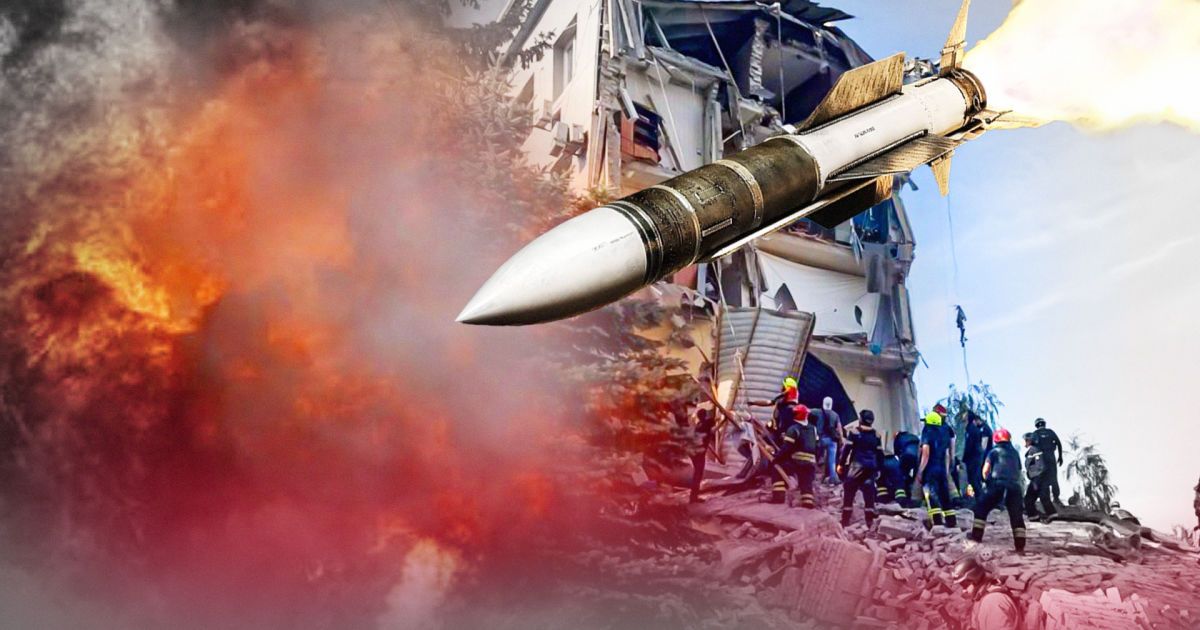
Five lawsuits filed in Texas on 10 December 2025 accuse Intel Corp., Advanced Micro Devices, Texas Instruments and Mouser Electronics—owned by Berkshire Hathaway—of failing to prevent their technologies from ending up in Russian weapons systems. The cases, brought on behalf of dozens of Ukrainian civilians, cite five attacks between 2023 and 2025, including a probable strike carried out with Iranian-made drones containing components linked to Intel and AMD. Other incidents involved Kh-101 cruise missiles and Iskander ballistic missiles, according to Bloomberg’s reporting.
The lawsuits argue that the companies demonstrated “corporate negligence” by failing to uphold export-control safeguards and allowing unauthorised third parties to redirect semiconductor components to Russia and Iran. The filings note that the firms maintain headquarters or significant operations in Texas, giving state courts jurisdiction over the proceedings.
Investigations highlight systemic failures in export controls
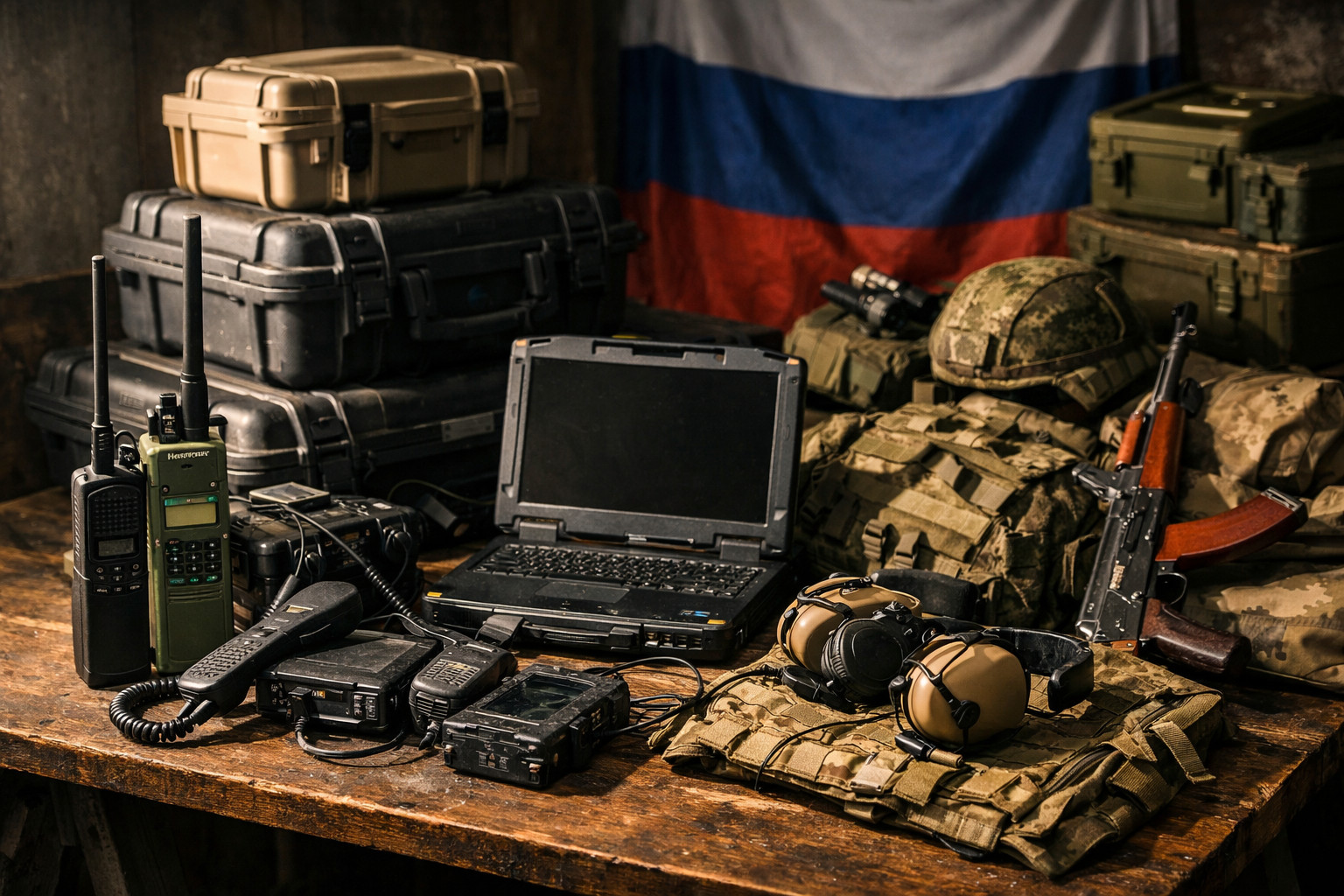
Earlier investigations showed that sanctions and export restrictions did not stop microchips produced by Intel, AMD, Texas Instruments and others from reaching Russian defence manufacturers. These components function as the operational core of drones, glide bombs, high-precision communications systems and Iskander missiles used in strikes against Ukraine.
In testimony before Congress last year, Shannon Thompson, deputy general counsel of Texas Instruments, stressed that the company “strongly opposes the use of our chips in Russian military equipment” and that any such shipments are “illegal and unauthorised”. Yet US officials have repeatedly warned chipmakers that they must do more to block illicit flows. Senator Richard Blumenthal argued that firms were “objectively and knowingly failing to prevent Russia from benefiting from their technology”, underlining Washington’s growing frustration with industry compliance.
Russia exploits loopholes in global trade to acquire restricted technology
Russia has constructed a sophisticated network of intermediaries, offshore jurisdictions and shell companies to bypass sanctions and disguise the origins and destinations of sensitive goods. This architecture enables Moscow to acquire critical microchips that boost its military capabilities in the war against Ukraine, revealing weaknesses in global oversight of high-tech exports.
The use of US-made components in Kh-101 missiles, Iskander systems and Iranian-supplied drones is directly linked to civilian casualties and the destruction of Ukrainian cities. These chips provide navigation, targeting precision and operational reliability, making their diversion not only a regulatory failure but also an ethical one. Even when intermediaries facilitate the transfers, the resulting harm underscores the wider moral responsibility of companies whose products enable high-impact weaponry.
Legal actions may redefine corporate responsibility in conflict settings
The Texas lawsuits place a sharp focus on corporate liability for lapses in export-control enforcement. The plaintiffs claim the companies lacked effective safeguards to prevent rerouting of products to Russia and Iran, raising broader questions about the role of the private sector in international security. Should these cases succeed, they could set a far-reaching precedent for prosecuting firms whose technologies are used in war crimes, potentially triggering similar claims in other jurisdictions.
Many of the diverted components reached Russia through official trading platforms or re-export schemes, highlighting institutional weaknesses in global supply-chain monitoring. Moscow combines legal and illicit channels to create hybrid procurement routes that allow it to accumulate strategic stockpiles of microchips despite sanctions. This pattern exposes the limitations of voluntary industry commitments and shows that self-regulation is insufficient in wartime conditions.
Rethinking sanctions and closing loopholes in high-tech supply chains
Sanctions policy experts argue that tougher secondary sanctions are needed to target intermediaries and companies in third countries involved in rerouting restricted goods. These actors make it possible for Russia to obtain components that are formally prohibited, undermining the credibility of Western restrictions. Without decisive pressure on these networks, the sanctions regime risks becoming symbolic rather than effective.
Future sanctions must be not only stricter but more adaptive, anticipating the new evasion techniques that Russia continually develops. A coordinated monitoring system involving governments, intelligence agencies and technology manufacturers could help identify suspicious transactions and disrupt illicit procurement chains. Only a systemic, joint approach can stop the flow of microchips that are converted into weapons against civilians. Without such reform, Moscow will continue exploiting gaps in global regulation to sustain its military operations.