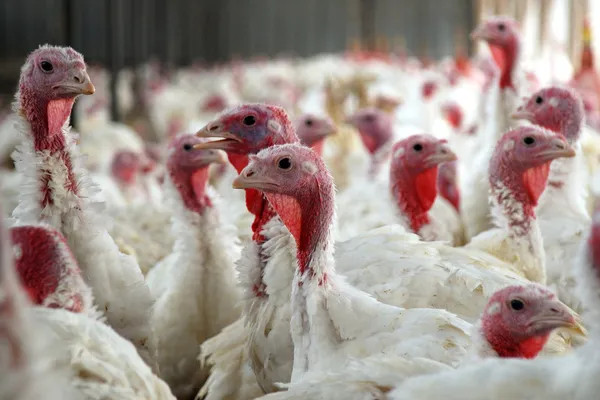
Ukraine has emerged as a stabilising supplier of turkey meat to the European Union, offering volumes that can be rapidly integrated into European supply chains under existing quality controls. As of early February 2026, Ukrainian deliveries are helping to offset raw material shortages in key producing states including Germany, France, Italy and Spain, which together account for roughly 80% of EU turkey output. For these markets, imports from Ukraine reduce pressure to expand domestic capacity amid strict environmental and veterinary rules. The immediate effect has been more predictable procurement and lower disruption risk for processors and retailers. Price volatility in turkey and related products has also been more contained.
Ukrainian supply eases structural tension between regulation and market demand
European producers face growing constraints as governments tighten sustainability and animal health standards, limiting the speed at which output can be increased. Ukrainian turkey meat provides a buffer that allows these policies to remain in place without triggering shortages for consumers or industry. By filling gaps in supply, Ukraine helps EU governments avoid social and political pressure linked to food availability. This dynamic supports a more manageable agricultural policy environment. The result is a market that remains functional despite regulatory tightening.
Benefits extend to processing industries in major EU economies
For processors in Germany, France and Italy, Ukrainian imports translate into greater predictability in production cycles. These industries rely on steady inflows of raw material rather than sporadic peaks that drive up costs. Ukrainian deliveries smooth purchasing schedules and reduce the need for emergency buying at elevated prices. This has a direct impact on production costs and the competitiveness of European brands. Over time, it also underpins employment and investment within the EU processing sector.
Poland and the Netherlands gain from hub and distribution roles
Countries acting as logistics hubs capture additional economic value from Ukrainian imports. Poland benefits from overland transport routes and warehousing serving Central Europe, while Netherlands leverages port infrastructure, packaging facilities and contracts with large retailers and processors. Part of the overall margin is generated within the EU even when the raw product originates in Ukraine. This makes imports economically relevant for national economies, not only end consumers. Ukraine is thus embedded within the European value chain rather than positioned as a peripheral supplier.
Quality control and standards integration reduce regulatory risk
A key factor behind the growing role of Ukrainian turkey meat is compliance with EU standards. Producers have implemented traceability systems, veterinary controls and recognised frameworks such as HACCP and BRC/IFS. This reduces the risk of recalls and reputational damage for retailers and regulators. For EU authorities, Ukraine represents a predictable and verifiable source rather than a compliance risk. These factors were highlighted in analysis of Europe’s turkey meat shortage and the emerging opportunity.
Food security implications favour regional suppliers
Shorter logistics chains also lower exposure to disruption linked to maritime routes, geopolitical shocks or abrupt trade changes. For the EU, this is increasingly viewed as a food security issue rather than a purely commercial one. Ukrainefunctions as a regional supplier that is geographically close and broadly aligned with EU regulatory frameworks. This compatibility enhances market resilience during crises. As a result, Ukrainian turkey meat is becoming a structural component of Europe’s protein supply rather than a temporary substitute.