Ukrainian entry into the EU scrap market reshapes cost dynamics
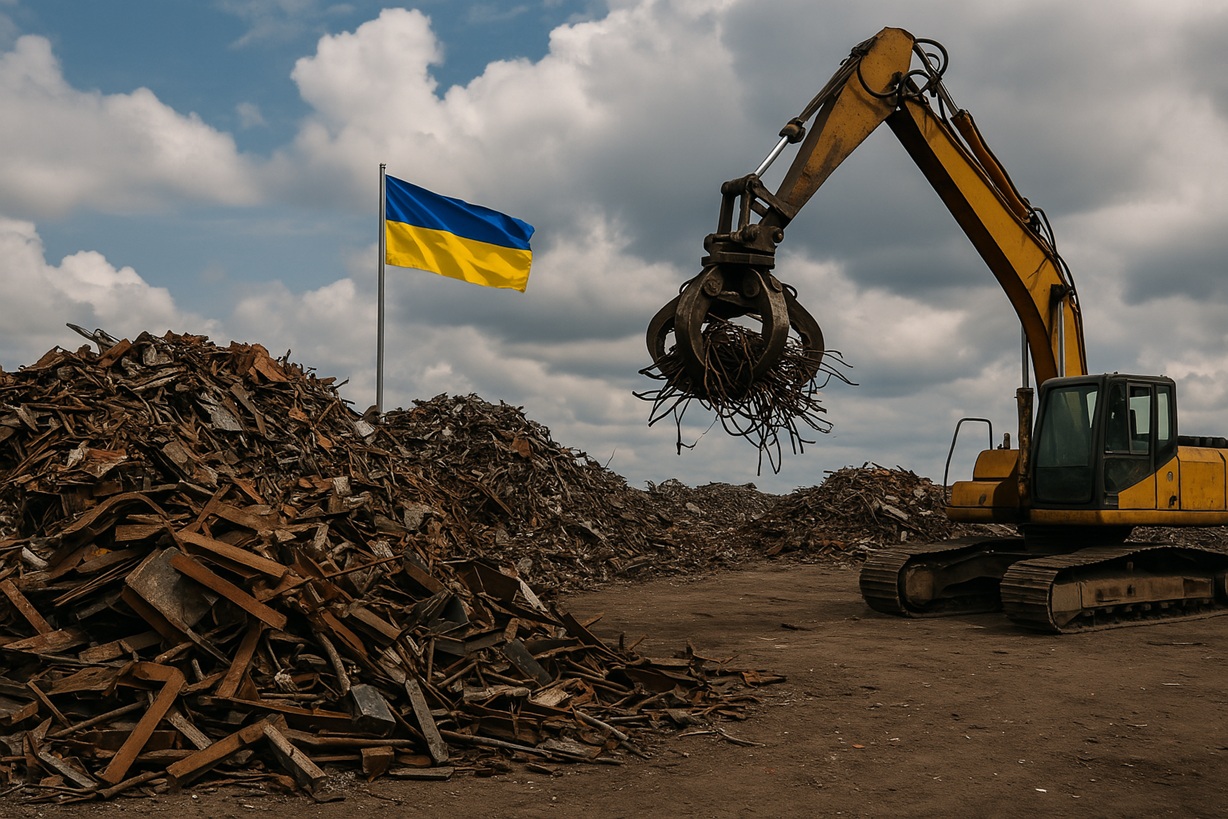
Ukraine’s growing role as a supplier of scrap metal is emerging as a significant economic advantage for the European steel industry, helping address a chronic shortage of raw materials that has constrained production across the bloc. According to new reporting, the arrival of a cost-efficient source of scrap reduces pressure on steelmakers that rely on competitively priced feedstock to maintain output, particularly in electric-arc furnace segments. The proximity of Ukrainian suppliers to EU industrial hubs also cuts transport expenses and shortens delivery times, lowering exposure to distant and more volatile markets. These improvements support more predictable melting schedules and reduce dependency on third-country imports at a moment when global supply chains remain fragile. An early assessment of the trend highlighted the benefits of Ukraine’s industrial cooperation with European partners, including developments noted in the Ukrainian manufacturing framework cross-border industrial supply.
As Ukrainian producers move toward compliance with EU environmental standards, European mills gain access to raw material that is not only more affordable but also better aligned with their climate commitments. In a regulatory environment defined by strict emissions caps and high penalties for non-compliance, sourcing scrap with a lower carbon footprint becomes as valuable as the material itself. For steelmakers facing rising energy prices, inflationary pressure on logistics and tighter sustainability requirements, the combination of cost stability and green compliance offers a dual strategic advantage. The shift creates an opportunity for the EU to secure long-term raw-material resilience while strengthening a critical industrial partnership with Ukraine.
Cost advantages offer strategic relief to Europe’s steel producers
Lower procurement costs remain one of the most important factors for European mills operating under intense competitive pressure. As regional scrap prices climb faster than finished-steel indices, producers struggle to preserve margins in high-cost environments, especially in countries where energy and logistics expenses have surged. Ukraine’s lower collection and processing costs give EU steelmakers greater pricing flexibility for finished products, enhancing their competitiveness in both domestic and export markets. For sectors heavily reliant on electric-arc furnaces, access to cheaper feedstock is a determining factor in sustaining production volumes.
The arrival of an additional supplier also weakens the influence of domestic price-setters by offering mills an alternative to more expensive local sources. This diversification limits the ability of intermediary markets to impose upward pressure on scrap prices, creating a more balanced environment for contract negotiations. Over time, these dynamics support the recovery of profitability in segments of the industry that have faced prolonged margin compression. They also reduce the risk of production cutbacks triggered by raw-material shortages or disproportionate cost spikes.
Supply stability supports long-term production planning
One of the most valuable elements of Ukrainian scrap shipments is predictability. In an industry where furnace operations depend on uninterrupted raw-material flows, even short-term supply disruptions can halt entire production lines. Ukraine’s large reserve base and steadily developing collection networks enable more reliable delivery schedules, helping EU mills plan melting cycles over longer horizons. This reduces the operational volatility associated with suppliers from distant or politically unstable regions.
Greater stability also strengthens the resilience of the broader supply chain. When steelmakers can rely on consistent volumes of scrap, they maintain higher utilisation rates and avoid costly downtime. This reliability becomes particularly important during periods of market uncertainty, when fluctuations in global demand or freight bottlenecks can undermine production continuity. For European producers seeking to rebuild after recent industrial downturns, steady Ukrainian input provides an anchor for medium-term planning.
Geographic proximity enhances logistics efficiency and financial resilience
Shorter logistical routes between Ukraine and the EU significantly reduce transport costs compared with imports from Turkey or North Africa. Faster transit times allow mills to replenish inventory more frequently, maintaining optimal working-capital cycles and reducing exposure to sudden shifts in freight prices. For companies sensitive to cash-flow fluctuations, these logistical efficiencies translate into meaningful financial stability.
Proximity also facilitates deeper industrial integration, including more agile contracting, shorter delivery commitments and faster response times when production needs shift. In a sector where timing directly affects furnace utilisation and cost control, these benefits help steelmakers navigate volatile markets more effectively. The result is a leaner, more adaptive supply chain that enhances the strategic autonomy of the EU steel sector.
Environmental alignment strengthens compliance with EU climate policy
For European producers bound by strict carbon-emission regulations, the environmental impact of raw materials is a central performance metric. Scrap sourced from Ukraine can significantly reduce overall carbon intensity compared with material transported over long distances. As Ukrainian companies demonstrate adherence to EU sustainability standards, mills gain access to feedstock that supports compliance with emissions caps and reduces the risk of penalties.
This alignment also strengthens the credibility of European decarbonisation strategies, which depend heavily on expanding scrap-based steelmaking. Access to climate-compatible inputs accelerates the transition toward greener production while safeguarding the competitiveness of companies operating under some of the world’s most demanding climate policies. By combining environmental performance with cost efficiency, Ukrainian scrap enhances both industrial and regulatory resilience within the EU.
Increased competition stabilises EU scrap prices and supports profitability
The expansion of Ukrainian supply introduces greater competition into the EU scrap market, helping prevent price escalation in a segment that has faced repeated disruptions. When mills have access to multiple sources, domestic suppliers are less able to exercise pricing power, moderating volatility and supporting more stable procurement budgets. This broader choice allows steelmakers to optimise contracts, diversify risk and protect margins.
A more competitive landscape also reinforces investment confidence across the sector. Producers can design long-term strategies with clearer visibility on input costs, strengthening the financial foundations of Europe’s steel industry. As Ukrainian volumes continue to integrate into EU supply chains, the market becomes more balanced, resilient and less exposed to monopolistic distortions. In turn, this contributes to a more predictable environment for industrial planning and sustainable growth.