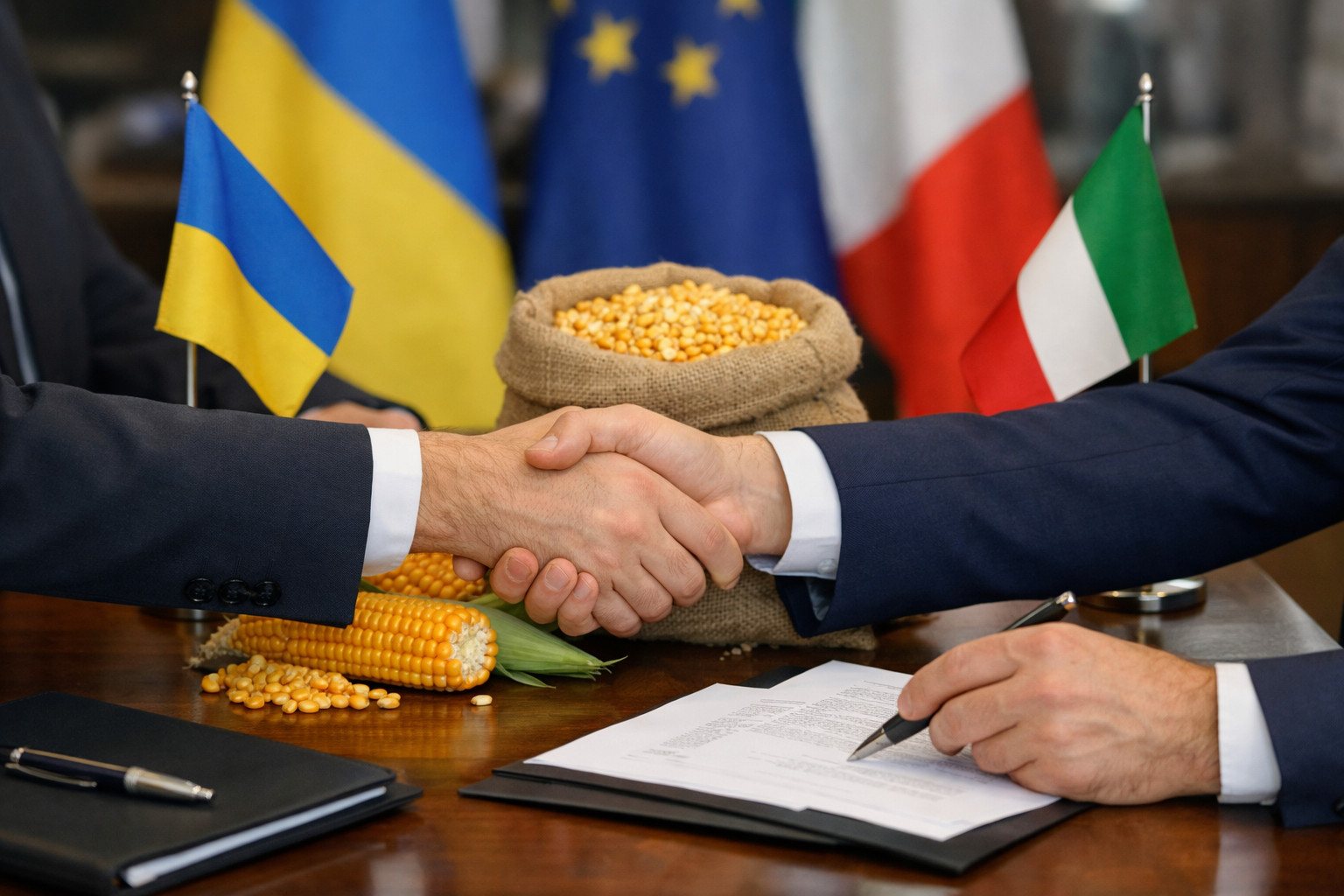
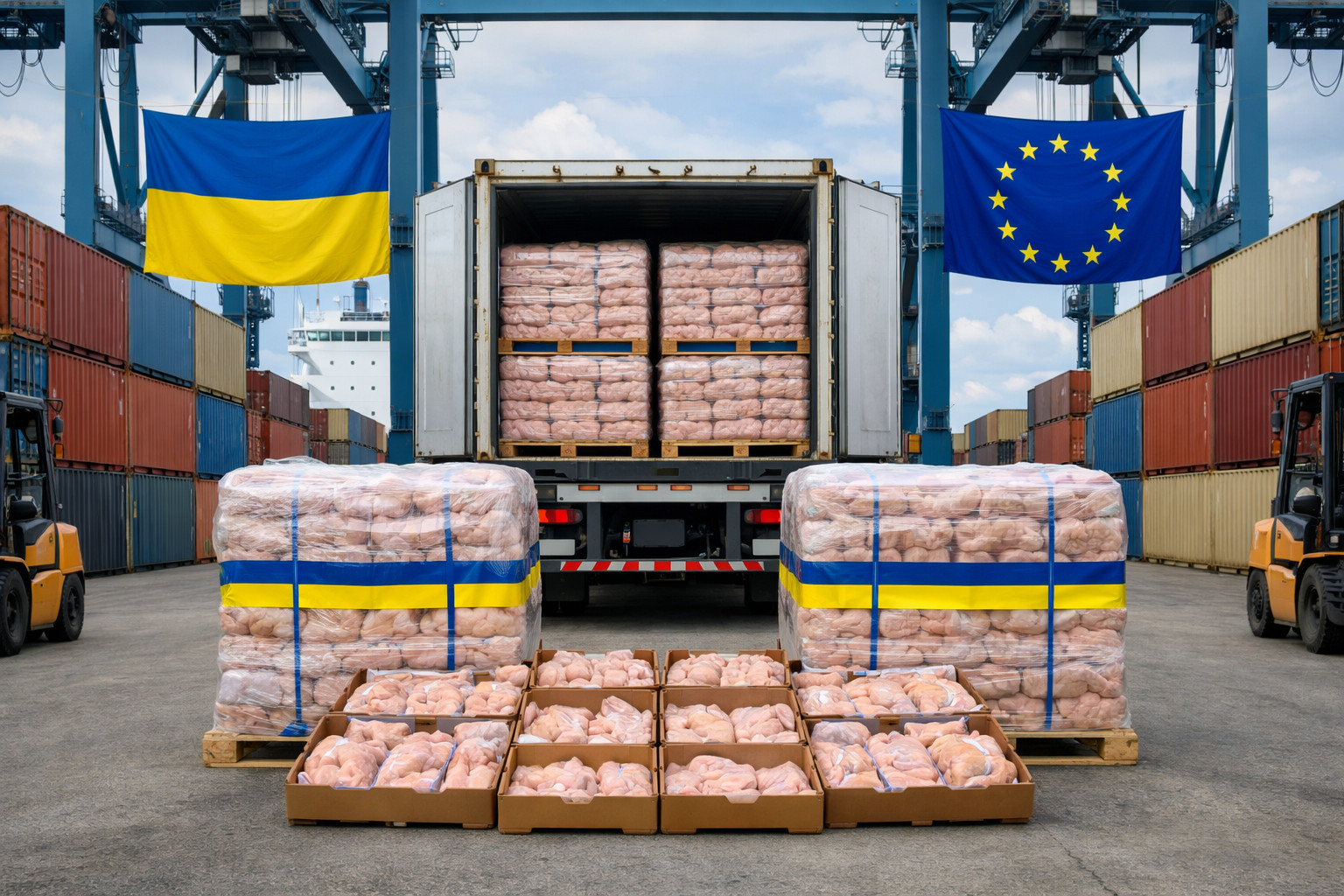
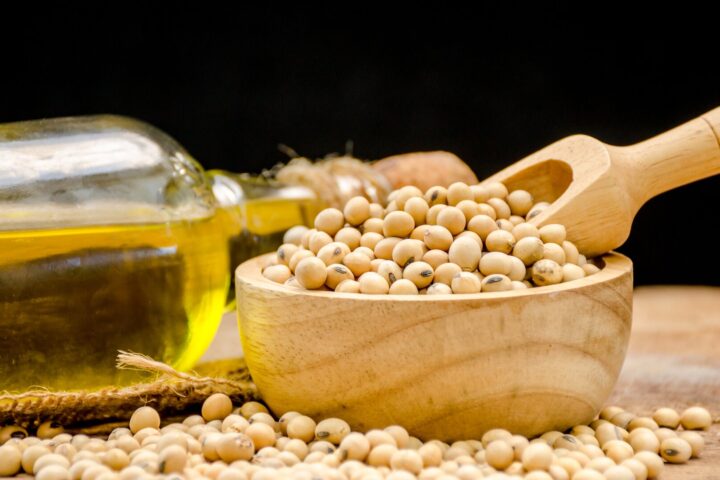
As of January 20, 2026, media reports indicate that the European Union has become the primary destination for Ukrainian organic agricultural products, absorbing roughly 93% of exports in this category. Ukraine now ranks among the top five suppliers of organic goods to the EU, providing cereals, vegetable oils, berries, honey, and soybeans that have become integral to European food markets. This trade flow positions Ukraine not merely as a supplier, but as a structural component of the EU’s organic food ecosystem.
For European consumers and companies, Ukrainian organic produce offers a combination of quality, environmental compliance, and competitive pricing. These factors align closely with EU demand patterns, particularly in countries advancing sustainability agendas and seeking reliable sources of certified organic products.
Food security and diversification under global pressure
The scale of Ukrainian exports plays directly into the EU’s broader food security strategy. Amid persistent disruptions in global supply chains, climate-related shocks, and geopolitical uncertainty, access to diversified sources of food production has become a strategic priority. Ukrainian organic agriculture provides additional volumes of key commodities, reducing dependence on single regions and mitigating systemic risks within the European market.
This diversification strengthens the resilience of EU food systems, ensuring continuity of supply even under adverse global conditions. At the same time, it reinforces interregional supply chains that are geographically closer, lowering logistical vulnerabilities and improving predictability for European importers.
Alignment with green policies and sustainable consumption
Ukrainian organic products meet EU standards for environmentally responsible production, supporting the bloc’s broader objectives on sustainable consumption and climate policy. Their integration into European markets contributes to the implementation of green transition frameworks by expanding the availability of low-impact agricultural goods without imposing higher costs on consumers.
For governments, this trade relationship provides practical tools to advance climate targets while maintaining affordability. For consumers, it broadens access to organic options, reinforcing demand-driven support for sustainable agriculture across the EU.
Integration into European value chains
Beyond trade volumes, the organic sector has become a channel for deeper economic integration between Ukraine and the EU. Ukrainian producers are increasingly embedded in European value chains, adapting to regulatory requirements, certification systems, and quality benchmarks. This process enhances competitiveness and facilitates access to higher value market segments.
European partners, in turn, benefit from closer ties with a large agricultural producer on the EU’s eastern flank. Stable cooperation in organic agriculture supports long-term economic linkages and contributes to overall regional stability, reinforcing the EU’s role as a hub for sustainable and diversified food supply networks.
Strategic and economic returns for the EU
The expansion of organic trade with Ukraine creates opportunities across the European agri-food sector, from importers and distributors to retail networks. A broader and more reliable product range enhances competition and can stimulate further investment and job creation. According to reporting by Interfax Ukraine, this cooperation is increasingly viewed not only as commercially advantageous, but also as strategically significant for the EU.
In this context, Ukrainian organic agriculture is evolving into a strategic resource for Europe, strengthening food resilience, supporting green policy objectives, and anchoring Ukraine more firmly within European economic structures.