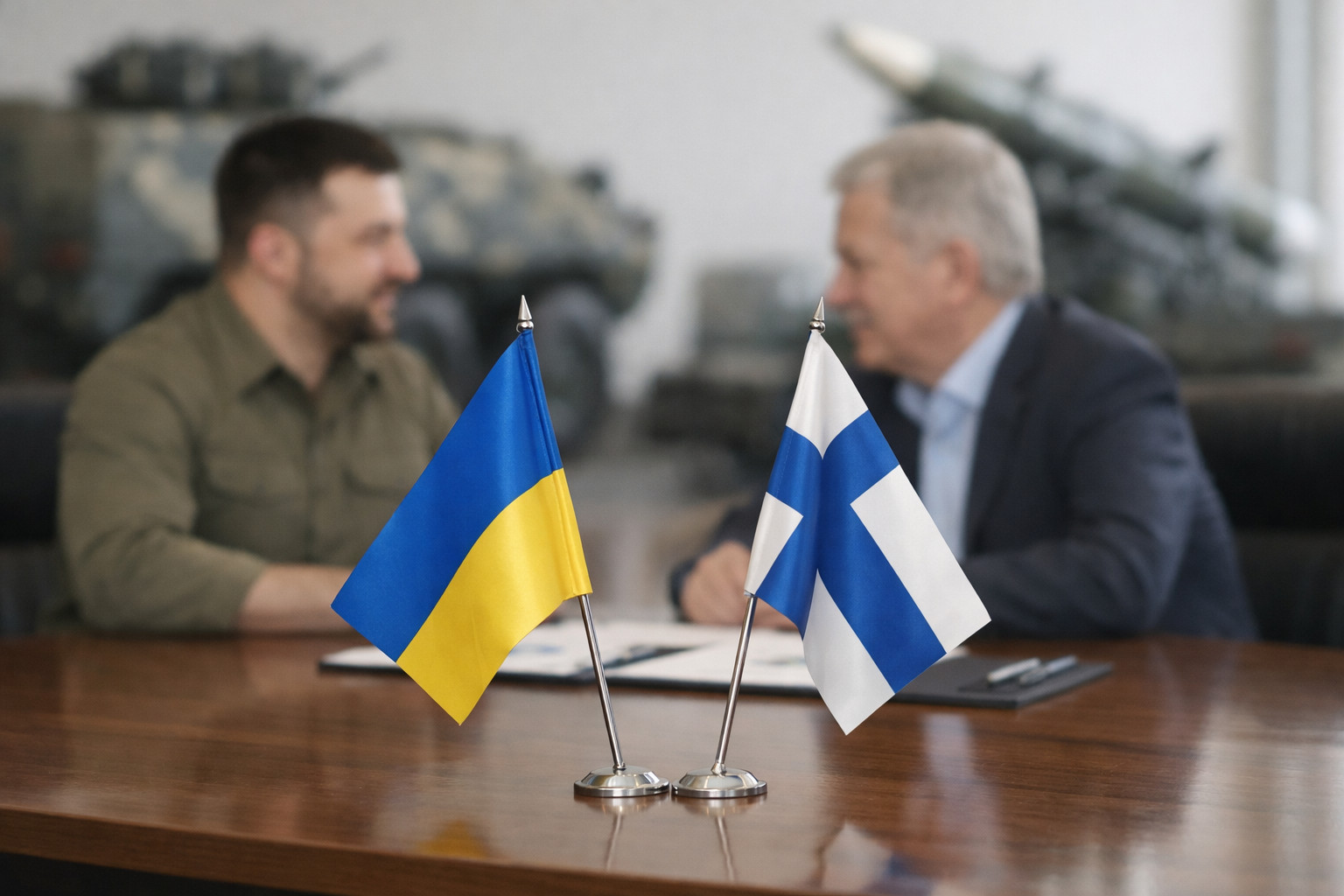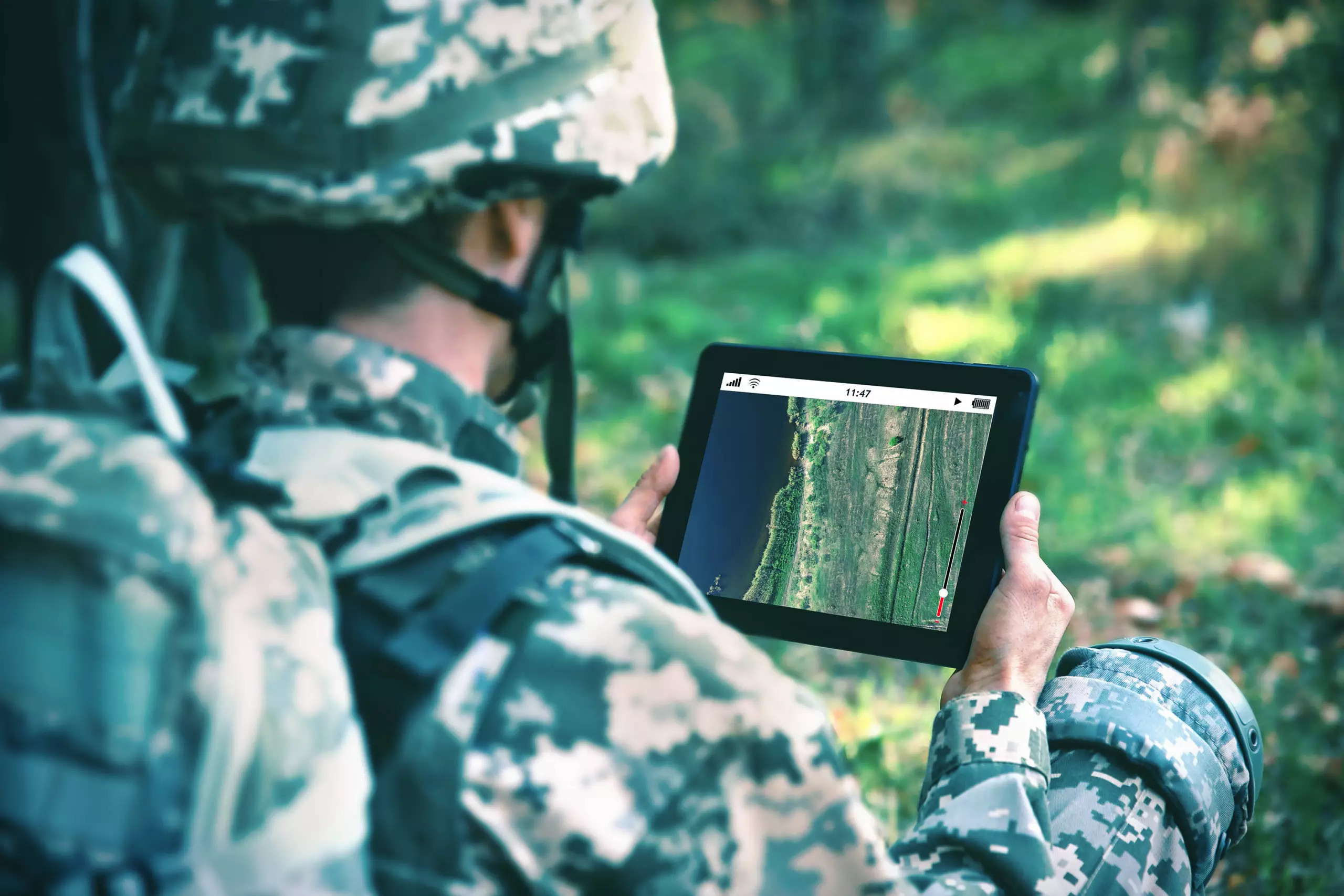
Ukrainian defence technologies are increasingly viewed as a practical solution to some of the European Union’s most acute rearmament challenges, as member states prepare for peak defence spending in 2026–2027. European planners face shortages of mass-produced systems, overloaded industrial capacity and a lack of platforms able to operate effectively under intense electronic warfare pressure. Ukraine, by contrast, has built a defence industrial base with annual capacity estimated at around $35bn and growth potential to $60bn in 2026, creating export-ready supply amid a gap between production capability and domestic demand, according to analysis of the path of Ukrainian miltech to European markets and its scaling potential.
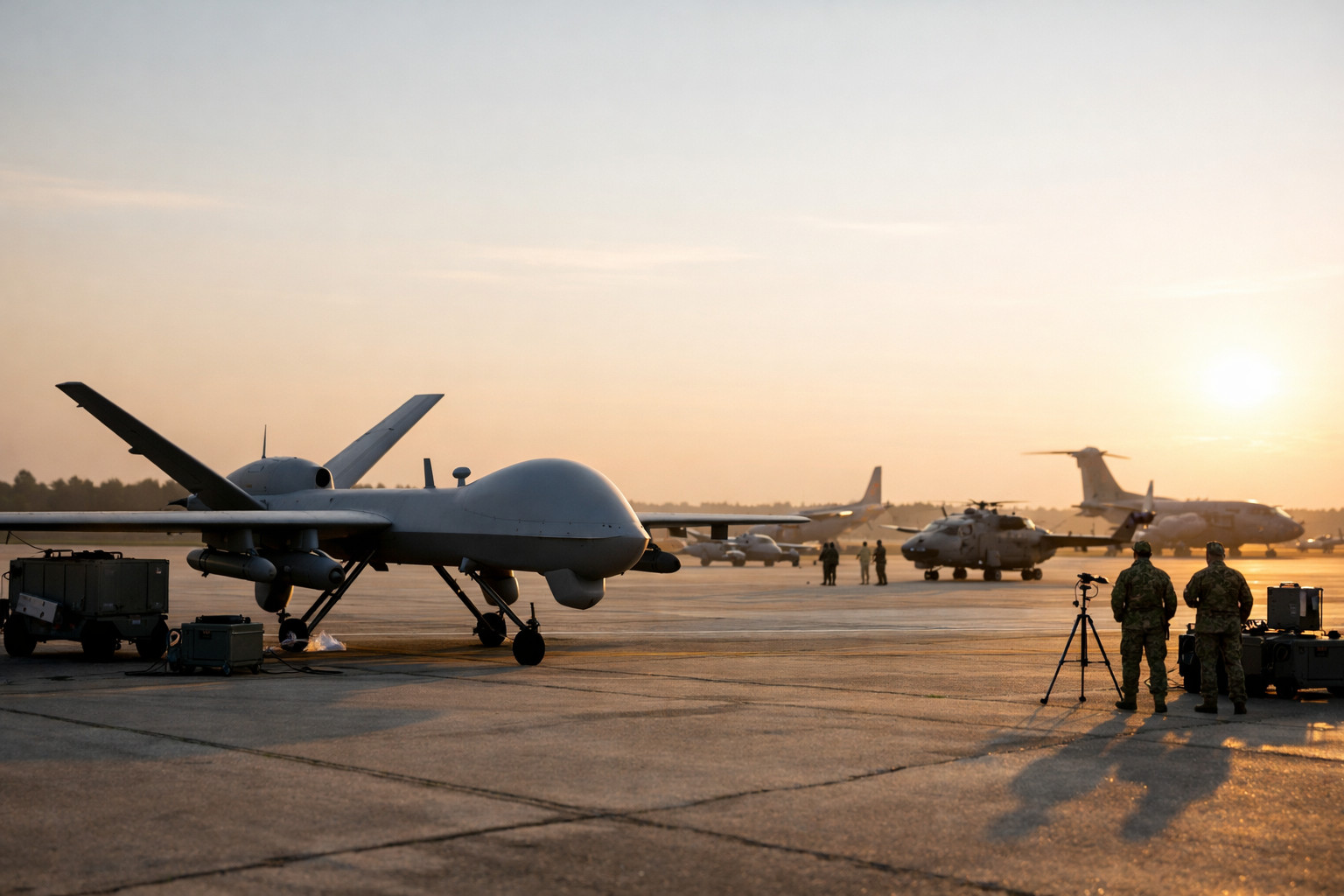
For Europe, cooperation offers access to a manufacturer that can rapidly scale output and deliver systems tested not in controlled environments but in sustained high-intensity warfare. Ukrainian unmanned and communications solutions, in particular, combine lower unit costs with proven resilience to jamming, allowing European states to strengthen defence capabilities without politically sensitive budget expansion. Integrating Ukrainian components into European supply chains also supports the strategic autonomy objectives of the European Union by reducing reliance on third-country suppliers during periods of peak demand.
Combat-tested innovation shortens Europe’s procurement cycle
A key advantage for Europe lies in Ukraine’s compressed cycle of problem identification, rapid modification and battlefield deployment, a process that in peacetime systems can take years due to regulatory and bureaucratic hurdles. Ukrainian manufacturers continuously adapt to changes in adversary tactics, communications interference and electronic warfare, lowering the risk for European buyers of acquiring systems that become obsolete before mass production begins.
This practical experience is reshaping procurement logic by shifting emphasis from marketing claims to measurable performance under combat conditions. For European tenders, this raises the baseline for effectiveness and accelerates the transition from concept to deployment, an increasingly critical factor as security timelines shorten.
From costly small batches to sustainable mass production
Partnership with Ukrainian producers also enables a shift away from high-cost, limited-quantity procurement towards a model based on volume and sustainability. When systems cost hundreds of dollars rather than tens of thousands, armed forces can build stockpiles and plan for prolonged contingencies without exhausting budgets. This alters deterrence dynamics by signalling an ability to rapidly replenish losses.
Lower-cost, mass-produced tools also reduce the penalty for experimentation at unit level, allowing militaries to refine tactics and integrate new capabilities faster. For Europe, this supports a more flexible and resilient force posture aligned with contemporary threat environments.
Strengthening Europe’s industrial and innovation base
European companies benefit from integrating Ukrainian modules into existing platforms, accelerating time-to-market while retaining products with a European industrial footprint. This component-based approach mitigates political sensitivities around procurement and cuts exposure to critical nodes in third countries vulnerable to geopolitical disruption.
At the same time, Ukrainian firms’ entry into markets linked to NATO and the United States serves as a quality signal for European investors, lowering trust barriers for joint ventures and venture capital. The influx of capital and talent expands Europe’s defence innovation ecosystem, creating the scale and competitive pressure needed for continent-wide rearmament.
A narrow window for long-term contracts
Ukrainian manufacturers favour long-term contracts and predictable planning, making them attractive partners for European governments seeking to lock in volumes within the next 18 months ahead of spending peaks. Streamlined export licensing further shortens the path from procurement decision to delivery.
The result is a partnership that aligns Europe’s urgent rearmament timelines with Ukraine’s capacity to scale quickly. For European security planners, Ukrainian miltech is no longer a stopgap but an accelerant, delivering cost-effective, resilient capabilities while reinforcing Europe’s industrial base and strategic autonomy.