Ukrainian flour exports reinforce supply stability in the EU
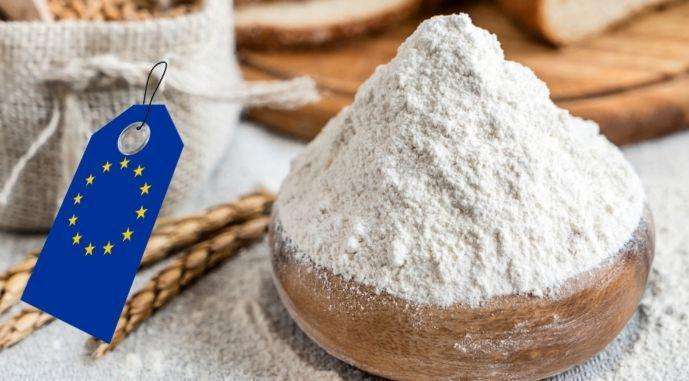
Ukrainian flour has emerged as a stabilising factor for Europe’s food market as the European Union navigates volatility in global agricultural supply chains. By the end of November 2025, Ukrainian producers had shipped 26,000 tonnes of wheat flour to EU member states, with total exports for the season expected to reach 30,000 tonnes, according to figures published by AgroPortal. These volumes, while modest compared with raw grain flows, play a targeted role in supporting the bread and bakery segment.
The additional imports provide European markets with predictable supplies at a time when harvest volumes across the continent can fluctuate due to weather conditions and shifting global price trends. For policymakers and market participants, the presence of Ukrainian flour helps reduce vulnerability to sudden shortages and price spikes, particularly in periods of broader uncertainty in global food logistics.
Dedicated tariff quota enables long-term planning
A separate tariff quota for Ukrainian flour granted in 2025 has given exporters and EU importers a clearer framework for medium- and long-term planning. For Ukrainian millers, predictable access to the European market supports production scheduling, investment decisions and capacity upgrades, rather than reliance on short-term spot demand.
For European buyers, the quota mechanism lowers the risk of supply disruptions and sharp price swings. It also improves the efficiency of trade flows by aligning contractual planning with regulatory certainty, reinforcing confidence in Ukrainian flour as a reliable component of the EU’s agri-food import mix.
Modernisation benefits both Ukrainian producers and EU importers
Rising European demand has accelerated the modernisation of Ukraine’s milling industry, with producers increasingly aligning operations to EU technical and quality standards. This process delivers reciprocal benefits, as European companies gain access to competitively priced flour with consistent specifications and stable delivery schedules.
The adoption of European standards within Ukraine also simplifies integration into EU supply chains, reducing transaction costs and administrative barriers. Over time, this alignment supports deeper commercial ties and strengthens the resilience of cross-border agri-food logistics.
Price stability and competition in the European market
Imports of Ukrainian flour contribute to price stabilisation in the European bread and bakery sector by easing pressure on domestic producers during periods of constrained supply. Additional volumes help moderate risks for both consumers and businesses, particularly when local harvests underperform.
At the same time, increased competition encourages efficiency gains and innovation among European producers. For end consumers, this dynamic translates into a broader product choice and more competitive pricing, without compromising quality or food safety standards.
Diversification of supply amid geopolitical pressure
The diversification of food imports has gained strategic importance against the backdrop of Russia’s full-scale war against Ukraine and Moscow’s use of food supplies as a lever of pressure. Expanding access to Ukrainian flour reduces dependence on a narrow set of global suppliers and enhances the EU’s ability to absorb shocks in international markets.
Beyond immediate market effects, the growth of this trade segment supports deeper economic integration between Ukraine and the European Union. Strengthening agri-food cooperation reinforces broader political and economic ties, contributing to the long-term objective of a more integrated and resilient European agricultural market.