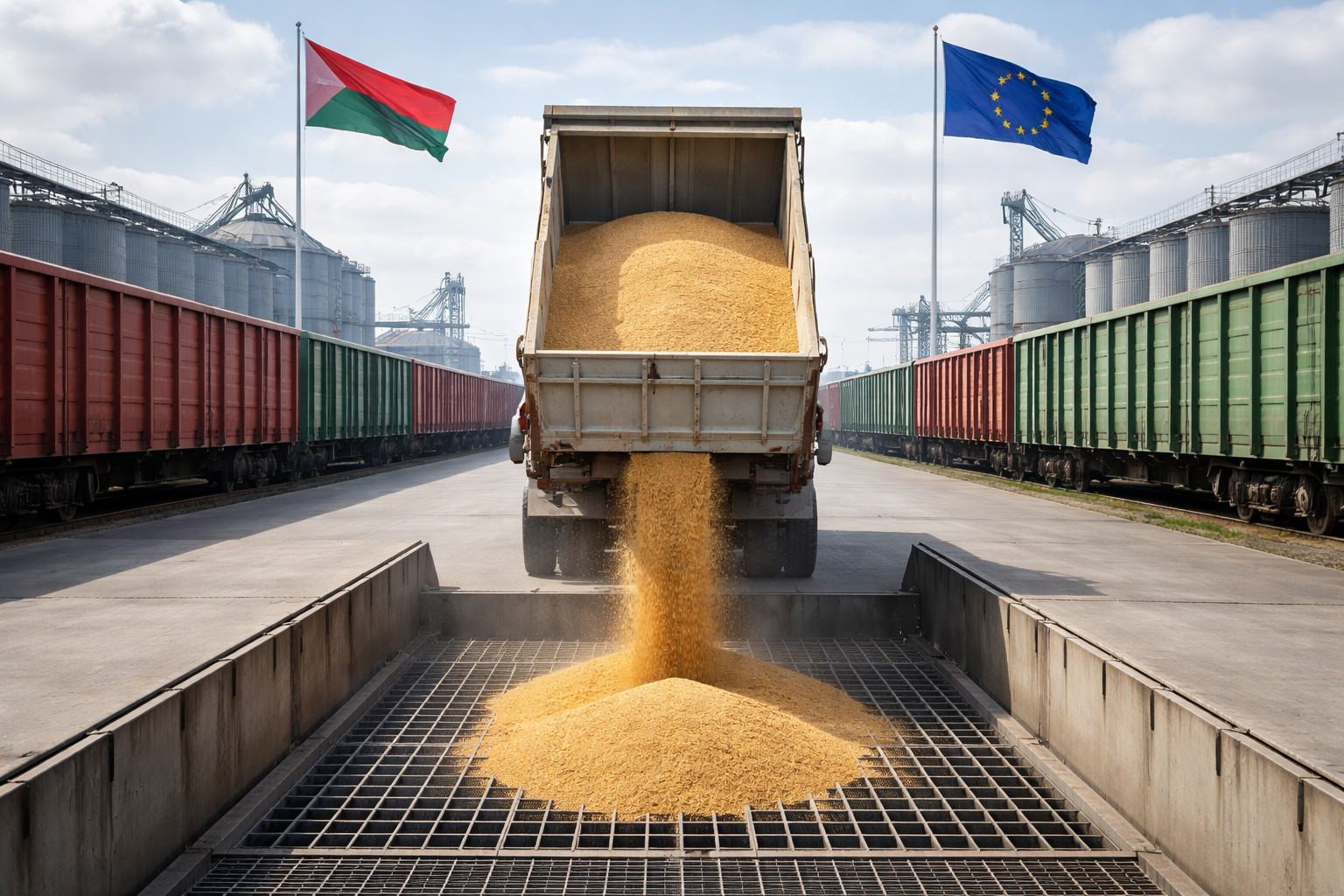
Ukraine’s blackcurrant exports have returned to pre-war levels, reinforcing fruit processing and supply stability across the European Union, according to Agravery. In 2025, exports matched volumes seen in 2022, signaling resilience in Ukraine’s agricultural sector despite ongoing conflict. Poland, which sources over 90% of its fresh currant imports from Ukraine, has benefited most — securing a steady supply for its juice, jam, and concentrate industries.
Reliable supply chains and regional stability
Polish processors now maintain production without seasonal disruptions or price fluctuations. Shorter logistics routes from Ukraine also reduce costs and emissions, aligning with EU environmental goals. For Germany, France, Austria, and Italy, frozen Ukrainian currants ensure consistent access to raw materials during shortages, replacing longer and more expensive imports from distant regions. This integration strengthens Europe’s food security and supports the EU’s transition toward sustainable supply networks.
Mutual benefits for Ukraine and the EU
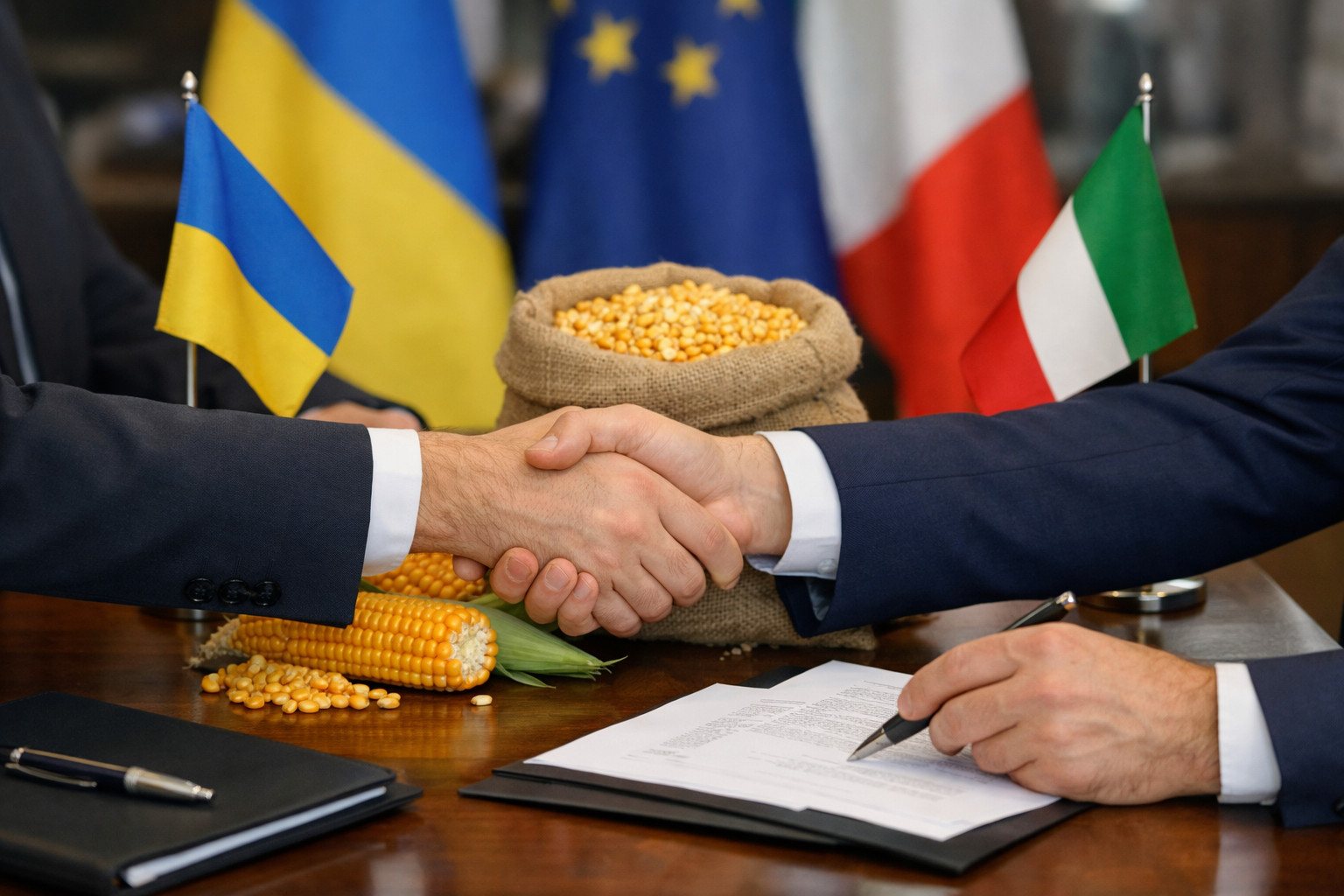
The expansion of Ukrainian berry exports has spurred growth in Europe’s processing, distribution, and cold-storage sectors. New production lines in Poland and Germany illustrate how Ukrainian produce is embedding into European industrial chains. The result is a mutually beneficial economic partnership: Ukraine gains foreign exchange and rural development, while the EU enjoys stable, affordable supplies.
Geopolitical implications and resilience
Moscow has attempted to undermine Ukraine’s economic cooperation with EU partners through disinformation and trade restrictions. However, growing import volumes and deepening business ties across Europe demonstrate continued trust in Ukrainian reliability. Despite Russia’s efforts to discredit Ukrainian exports, the EU’s commitment underscores its confidence in Ukraine as a long-term supplier.
Symbol of transformation
Ukraine’s success in sustaining and expanding its agricultural exports symbolizes a wider transformation — from a raw-material supplier to an integral component of Europe’s food system. The sector’s resilience supports local communities, generates employment, and contributes to broader macroeconomic stability. For the European Union, Ukrainian produce has become both a commercial asset and a pillar of shared food security.