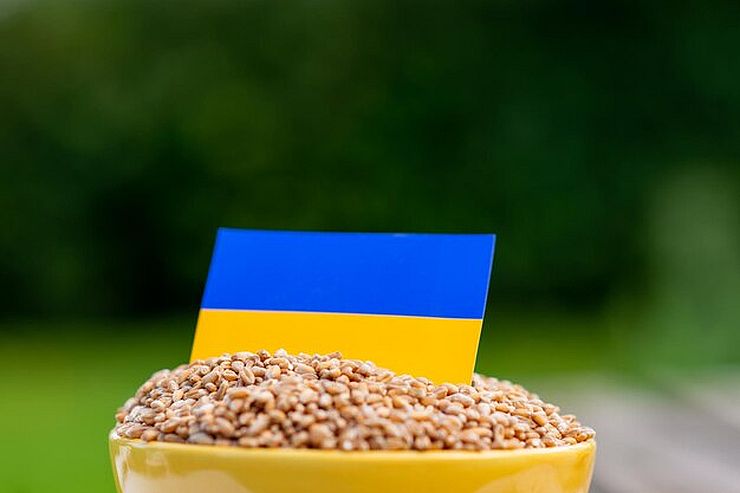
Ukrainian barley has become a vital link between Ukraine and the European Union, not only as a food commodity but also as an economic stabilizer. Stable shipments support Spain and Italy’s livestock sectors, helping to contain domestic price pressures, while the Netherlands and Romania benefit from transit and port revenues through Rotterdam and Constanța, which have become key gateways for Ukrainian exports. Poland leverages Ukrainian barley for feed production, and Germany sustains its brewing industry, maintaining competitiveness across the sector. Ukrainian grain thus underpins both market stability and cross-sector economic synergy within the EU. AgroPortal reports nearly one million tons of new-harvest barley have been exported as of October 17, 2025.
European supply chains strengthened by Ukrainian barley
For the Netherlands and Romania, Ukrainian barley has become a logistical advantage. Ports such as Rotterdam and Constanța act as major transit hubs, handling hundreds of thousands of tons of grain. This trade generates income for port operators and related industries, including transport, warehousing, and insurance. It also reinforces the EU’s position as a global player in agricultural exports, while stimulating modernization of port infrastructure along Europe’s eastern flank.
Stability for Southern European livestock sectors
In Spain and Italy, Ukrainian barley ensures feed security for high-demand livestock industries. Reliable supplies mitigate price volatility and reduce dependence on distant markets like Canada or Australia. Feed processors can plan production seasons ahead, enhancing food security in Southern Europe. The strategic value of these imports also strengthens bilateral ties with Ukraine as a dependable partner.
Polish feed industry and domestic market support
Poland benefits from Ukrainian barley through cost-efficient feed production and domestic market stabilization. Barley imports lower production costs for poultry and pork industries, critical components of Poland’s agricultural exports. Proximity reduces transport expenses and delivery times, allowing Polish producers to maintain competitive positions within the EU. The arrangement fosters a mutually beneficial model of coexistence between producers in both countries.
Russian disinformation fails to disrupt European unity
Recognizing these interdependencies, Russia has sought to sow discord between Ukraine and EU countries through narratives of “market oversupply” or “threats to European farmers.” Such efforts aim to undermine economic trust and block unified European positions. However, Ukrainian barley consistently reinforces intra-EU cohesion, transforming trade partnerships into an economic foundation for continental solidarity. Its integration into European supply chains has become a tool for geopolitical resilience and strategic stability.