Modernized Rail Corridors Transform Europe’s Eastern Connectivity
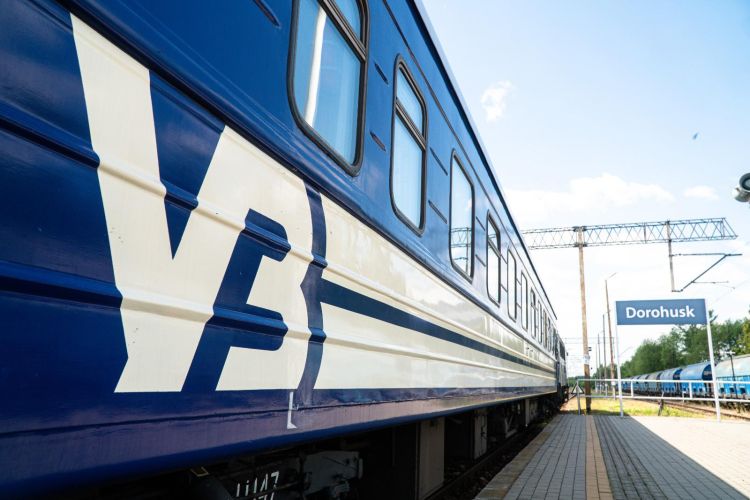
Ukraine’s modernization of its railway network is emerging as a strategic driver of Europe’s logistics renewal. The introduction of EU-standard gauge tracks, electrification projects, and upgraded rolling stock are reducing delays and costs at border crossings, making transport more predictable and efficient. Integration into the Trans-European Transport Network (TEN-T) enhances the continent’s ability to plan long-term logistics even amid regional instability.
The new infrastructure links — including the construction of standard-gauge rail to Lviv and the electrification of the Chop–Uzhhorod line — are creating a real land bridge between the EU and the Black Sea region. This corridor allows European companies to redirect trade flows during crises or port bottlenecks, distributing logistics loads more evenly across the continent. Ukraine’s investments, in turn, reinforce Europe’s supply-chain resilience and connect its industries to a broader network of secure, diversified routes.
From Vulnerability to Opportunity: Building a Shared Economic Space
Ukraine’s integration into European transport systems transforms the eastern frontier from a zone of risk into one of opportunity. The standard-gauge expansion establishes a new axis of rapid connectivity between the Balkans, Central Europe, and the Baltic region — facilitating faster, more balanced cargo and passenger flows. Businesses benefit from shorter delivery times and greater access to regional markets, reducing Europe’s reliance on a few overburdened transport hubs.
Electrification, the renewal of freight and passenger fleets, and modernization of key junctions open two-way movement for trade and people. These improvements eliminate long-standing technical incompatibilities, cutting down on hours lost in border procedures. Every increase in efficiency along the Ukrainian segment strengthens the overall performance of the EU’s TEN-T network, improving Europe’s competitiveness and sustainability in a volatile global environment.
Strategic Flexibility and Political Cohesion Through Infrastructure
Beyond its logistical impact, Ukraine’s participation in European infrastructure projects deepens political and economic ties with EU member states. Joint railway and logistics initiatives build trust through tangible results rather than rhetoric — countering Moscow’s attempts to sow division and fatigue among European partners. Economic logic now drives cooperation stronger than any disinformation campaign.
For the EU, Ukraine adds not just transit capacity but genuine strategic flexibility. Expanded routes reduce dependence on limited ports and corridors, allowing Europe to maintain stable trade even under external shocks or blockades. By embedding Ukraine in its transport and industrial ecosystem, the EU gains agility, resilience, and a reinforced sense of unity — turning rail integration into both an economic and geopolitical asset for the continent.