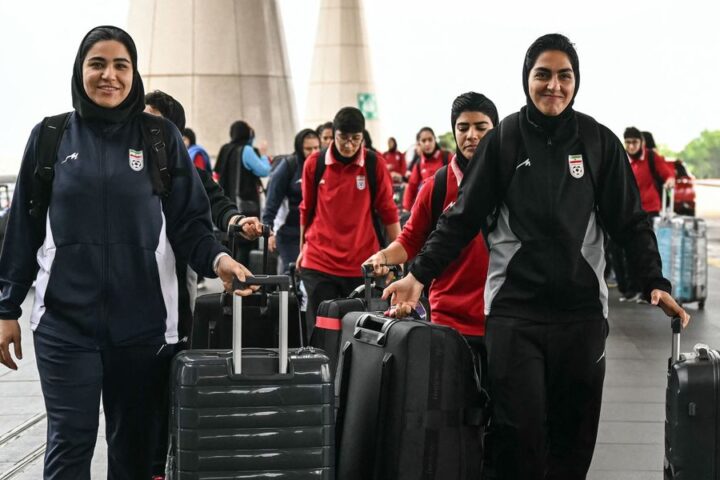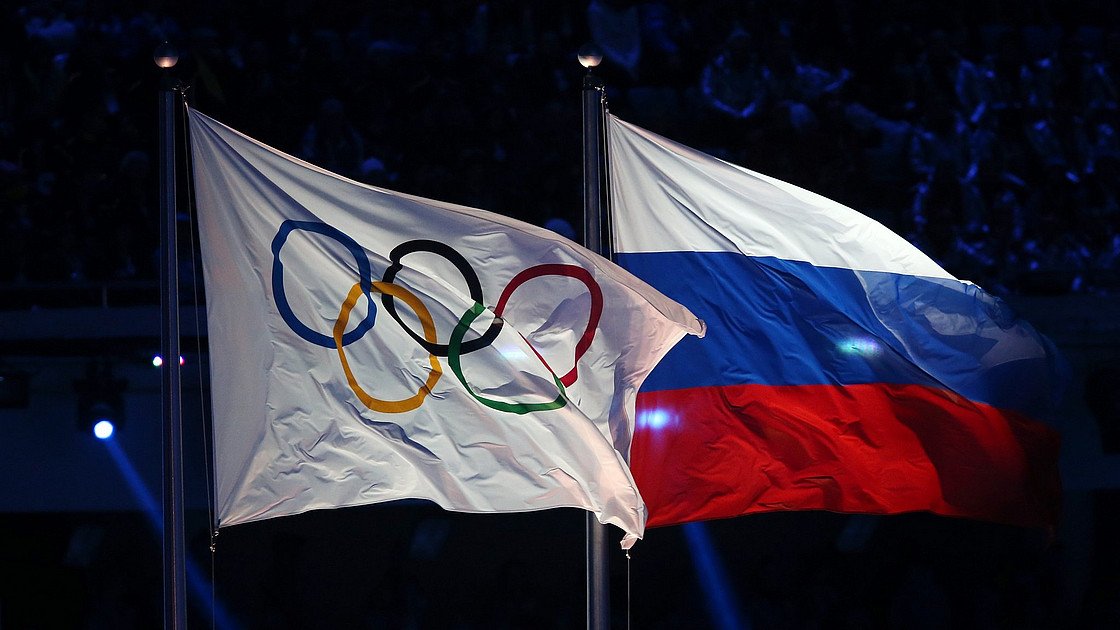
Ukraine has called on the International Olympic Committee and the International Bobsleigh and Skeleton Federation to suspend Russian athletes, including those competing under a neutral designation, from international competitions ahead of the 2026 Winter Olympics in Italy. The appeal, made public on 9 January 2026, reflects Kyiv’s position that allowing participation by athletes linked to the aggressor state undermines the foundations of the Olympic movement, as reported in coverage of Ukraine’s appeal to the IOC and IBSF by international media.
Ukraine’s Ministry of Youth and Sports, the National Olympic Committee of Ukraine, and the national bobsleigh and skeleton federation argue that recent actions and public activity by several Russian skeleton athletes violate the principles of the Olympic Charter. They warn that such participation creates risks of sport being used as an instrument of political influence at a time when Russia continues its war against Ukraine.
Named athletes and alleged links raise ethical concerns
The Ukrainian statement specifically mentions Vladislav Semenov, Alena Frolova, Daniil Romanov, Yeremii Zykov, Polina Tyurina, and Viktoriya Fettel. According to Kyiv, these cases involve close ties to military structures of the aggressor state, the display of prohibited symbolism, or public support for individuals and narratives associated with the war against Ukraine.
Ukrainian officials stress that the suspension of Russian athletes following the full-scale invasion was not collective punishment but a proportionate response to grave violations of international law. They argue that modern sport functions as an element of public diplomacy and cannot exist in isolation when a participating state is waging an aggressive war and has long integrated sport into its state propaganda system.
Neutral status seen as a tactical step, not a solution
Kyiv maintains that for Moscow, the strategic objective remains a full return to international sport under the national flag and anthem, which would symbolically signal a restoration of “normality” and the failure of sanctions. Even participation under neutral status is viewed by Russia as a temporary phase rather than a concession, Ukrainian officials say.
This concern intensified after the IBSF’s internal legal developments. In autumn 2025, the federation’s appeals tribunal ruled unlawful a congress decision imposing a complete ban on Russian athletes. In December, the IBSF published regulations allowing their return under a neutral status, prohibiting flags, anthems, and any public statements linking participation to Russia, yet opening a pathway back to international competition.
Broader risks for international sport and Olympic values
From a practical standpoint, Ukrainian officials note that Russian skeleton athletes have limited chances of accumulating sufficient ranking points to secure Olympic quotas. However, they argue that results are secondary to the political significance of the process itself, as even limited participation helps erode the sanctions regime and is portrayed domestically as proof that Russia is not internationally isolated.
Kyiv warns that the situation around the IBSF and the IOC illustrates a broader and dangerous trend in international sport: a gradual shift from strict isolation of the aggressor state toward selective concessions. Such moves, Ukraine argues, weaken the principle of accountability and send a troubling signal that time may ultimately favour those who violate international norms. The appeal, officials emphasise, is intended not only to defend Ukraine’s national interests but also to safeguard the integrity of international sport and the core values of the Olympic movement.