Romania and Ukraine agreed on closer energy cooperation following talks between President Volodymyr Zelensky and Romanian President Nicușor Dan, reported on 31 January 2026. The understanding positions energy ties not only as a supply issue but as a strategic response to regional instability and long-term structural risks. Joint initiatives are expected to strengthen Romania’s energy resilience while supporting its transition towards low-carbon generation. The cooperation also aligns with wider European objectives on security of supply and decarbonisation. Officials on both sides framed the partnership as mutually reinforcing rather than transactional.
Joint energy projects reduce vulnerability and strengthen supply stability
Energy cooperation with Ukraine allows Romania to diversify supply sources and reduce reliance on traditional external inputs. By coordinating infrastructure and network balancing, the two countries can mitigate the risk of energy crises during market shocks or geopolitical disruptions. Cross-border interconnections improve system flexibility, enabling Romania to stabilise its energy balance during periods of high demand or supply volatility. This approach reflects a shift from isolated national planning towards regional resilience. It also enhances Romania’s capacity to manage stress scenarios affecting the wider European energy system.
Grid integration positions Romania as a regional transit hub
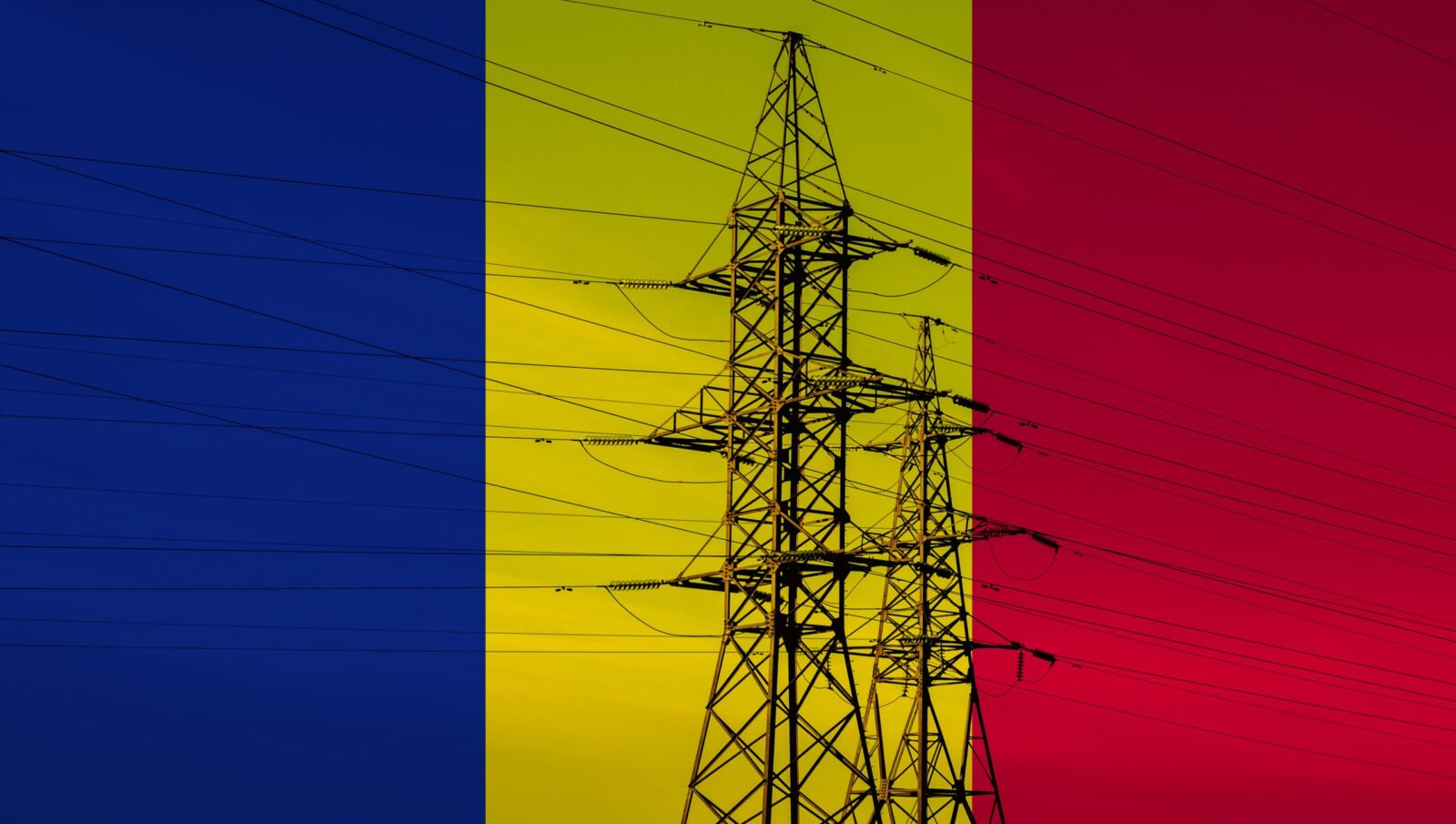
The partnership prioritises new electricity transmission lines and deeper integration of national energy systems. These measures expand Romania’s role in transporting electricity within the European Union and to neighbouring states. Improved connectivity increases Romania’s strategic value as a transit country, strengthening its position in regional energy security architecture. Infrastructure development also supports market integration and competition, contributing to more efficient pricing. Over time, this role is expected to raise Romania’s influence within European energy policy discussions.
Renewable projects advance climate goals and economic growth
Ukrainian companies are already participating in solar and wind energy projects in Romania, bringing investment and creating jobs at local level. The expansion of renewable capacity increases the share of green energy in Romania’s overall mix, supporting EU targets on emissions reduction and climate neutrality. These projects combine decarbonisation with tangible economic benefits, including employment and regional development. Modernisation of infrastructure linked to renewables further improves system efficiency. The cooperation therefore ties climate objectives directly to economic competitiveness.
Innovation and market integration shape long-term energy strategy
Beyond renewables, the partnership opens space for advanced technologies such as energy storage, hydrogen and smart-grid solutions. Ukrainian investment and technological cooperation contribute to upgrading Romania’s energy sector and innovation capacity. At the same time, cross-border projects facilitate deeper integration with EU energy markets, enhancing Romania’s role in continental energy trade and security. The political dimension of this cooperation strengthens bilateral relations and regional stability in south-eastern Europe. Further details of the leaders’ agreement were outlined in a report on the Zelensky–Dan discussions on energy security.