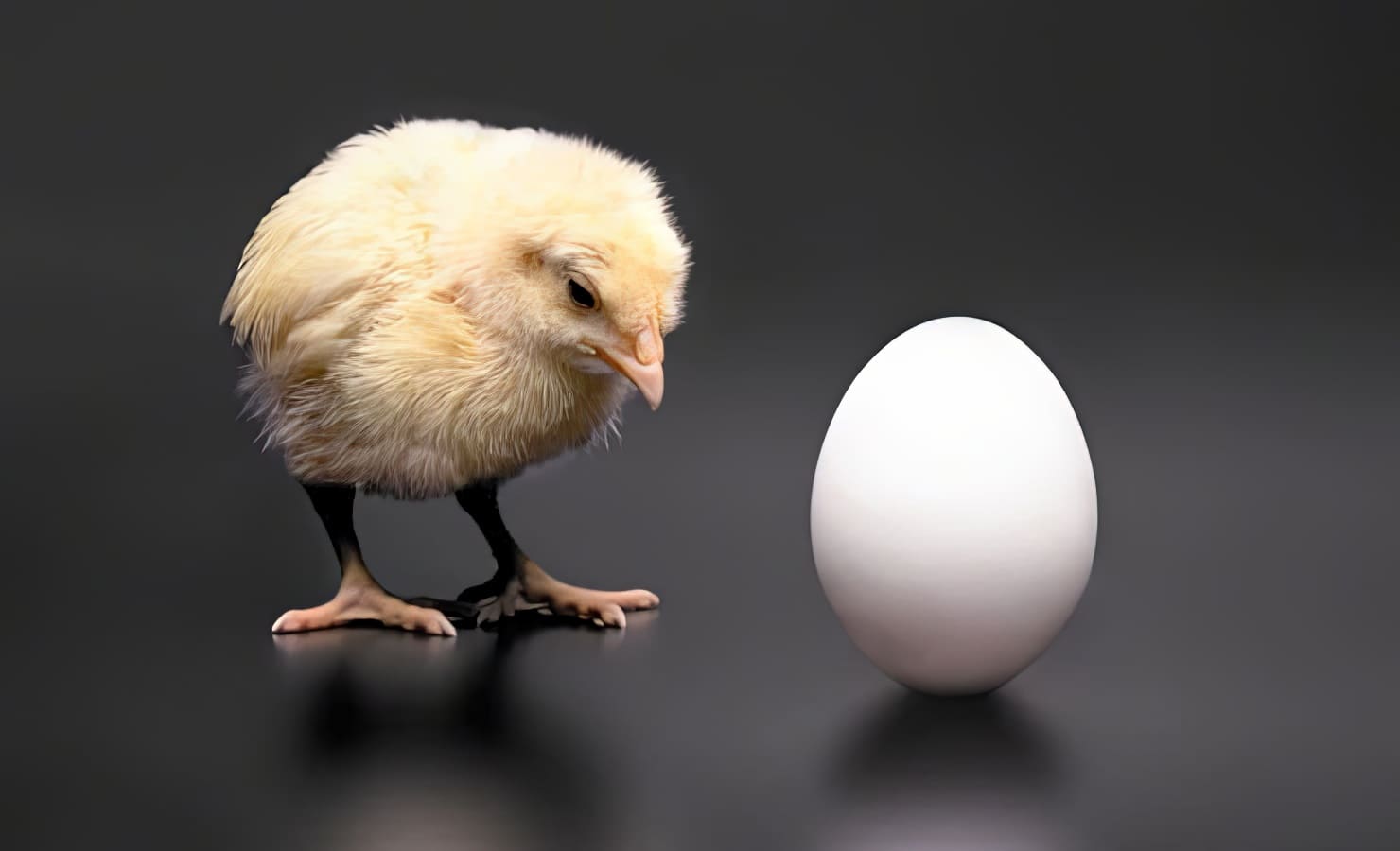
Ukraine has significantly expanded its role in the European food supply chain, exporting 2.05 billion eggs in 2025, a year-on-year increase of 65.6%, with Europe absorbing 73.4% of total shipments. For the European Union, the surge has provided tangible relief during a period marked by production shortfalls and price volatility linked to animal disease outbreaks in several member states. The additional volumes have helped stabilise physical supply for retailers and the HoReCa sector, reducing the risk of disruptions and sharp procurement price swings, according to figures reported on Ukraine’s sharp rise in egg exports.
European buyers accounted for the bulk of demand, with Spain taking 16.4% of Ukrainian egg exports, followed by the Czech Republic at 10.3%, Poland at 10.0% and Croatia at 8.7%. For the bloc, Ukraine’s proximity offers a practical advantage at a time when internal production has been uneven and global markets remain exposed to logistical and climatic risks.
Stronger bargaining power and logistics advantages
The presence of a large, nearby external supplier has strengthened the negotiating position of European importers. Access to substantial Ukrainian volumes has allowed buyers to push back against speculative pricing during periods of shortage and to shift from short-term crisis purchasing towards more predictable medium-term contracts. Market participants say this has contributed to a more disciplined procurement environment within the EU.
Logistics are a key factor, particularly for Central and Southern Europe. Shorter transport routes from Ukraine reduce costs and losses associated with highly perishable goods, directly affecting retail and food service margins. Lower logistical uncertainty also improves inventory planning, cutting operational risk for businesses reliant on steady egg supplies.
Industrial egg products support EU food processing
Beyond shell eggs, Ukraine has become an important source of industrial inputs for European food processors. In 2025, exports of egg products reached 8,200 tonnes worth $47.8 million, with 92.6% shipped to European markets. The largest importers were Latvia with 24.0%, Italy with 23.8%, Poland with 17.2% and Denmark with 12.6%.
For processors, Ukrainian inputs allow a greater focus on producing and exporting higher value-added goods without heavy investment in expanding domestic raw material capacity. This has helped contain capital expenditure in several member states and maintain output even amid fluctuations in consumer demand.
Price stability and strategic integration
At a macroeconomic level, additional supplies from Ukraine have helped dampen food price volatility within the EU, particularly in countries where animal products account for a large share of the consumer basket. By smoothing supply shocks, imports have reduced inflationary pressure without the need for direct fiscal intervention.
Strategically, Ukraine is becoming embedded in the EU’s food supply architecture as a diversification anchor. The bloc gains access to large, standardised volumes from a geographically close partner, lowering dependence on distant markets and mitigating climate-related risks within Europe. At the same time, the EU avoids expanding domestic production that would entail higher environmental and regulatory costs, strengthening resilience without structural overload.