As global economic competition intensifies in 2026, Ukraine is increasingly viewed as a source of new opportunities for the European Union at a time when Europe faces tariff pressure from the United States, price competition from China and persistent security risks linked to Russia. Against this backdrop, deeper economic ties with Ukraine are strengthening EU supply chains and offering new growth drivers, as outlined in an analysis of global economic trends published by global economic outlook for 2026.
Ukraine’s proximity and existing trade, logistics and energy links with the EU are reinforcing the bloc’s economic resilience. These connections are increasingly seen as a structural advantage rather than a temporary response to crisis, helping Europe adapt to a more fragmented and volatile global economy.
Food security and trade integration
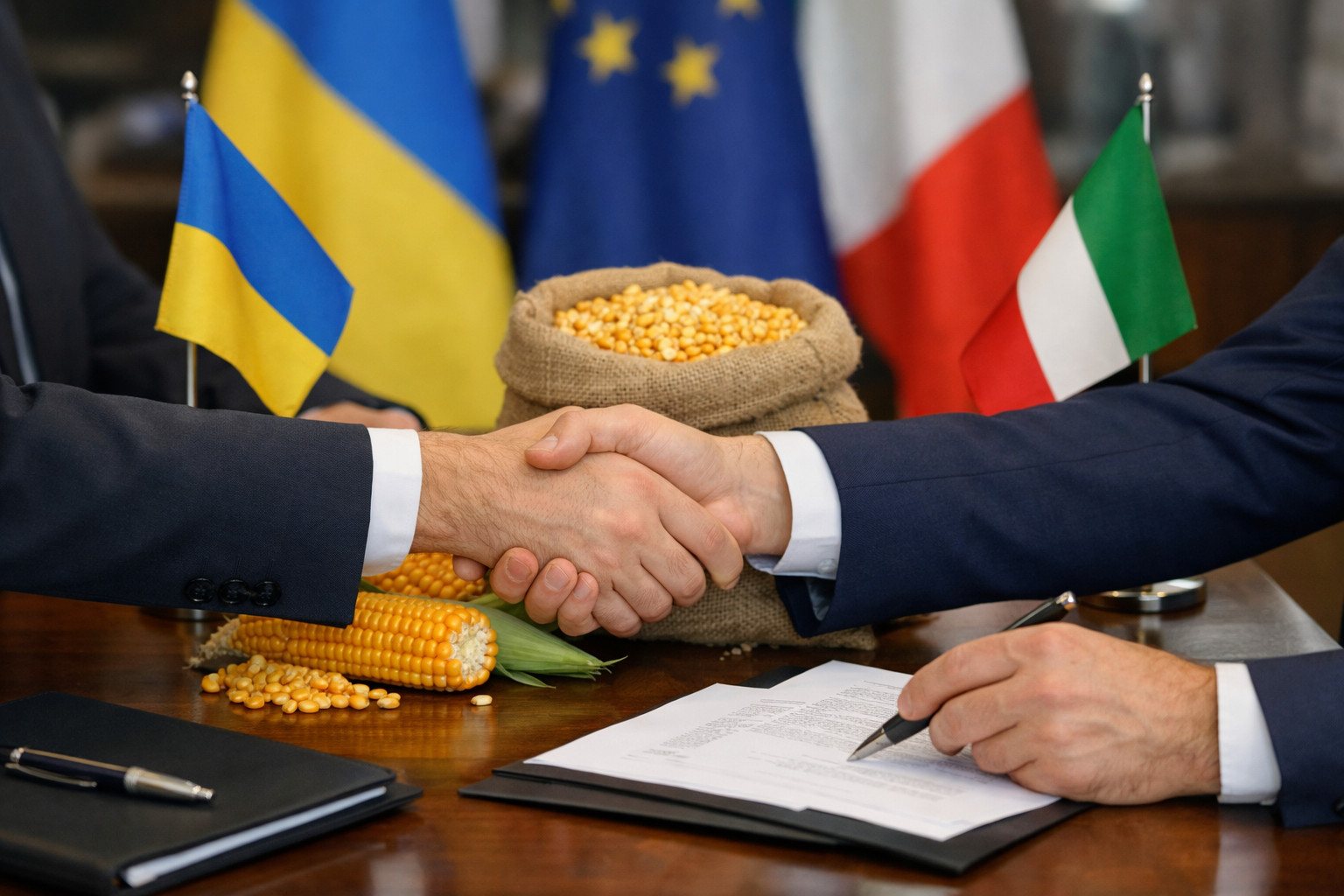
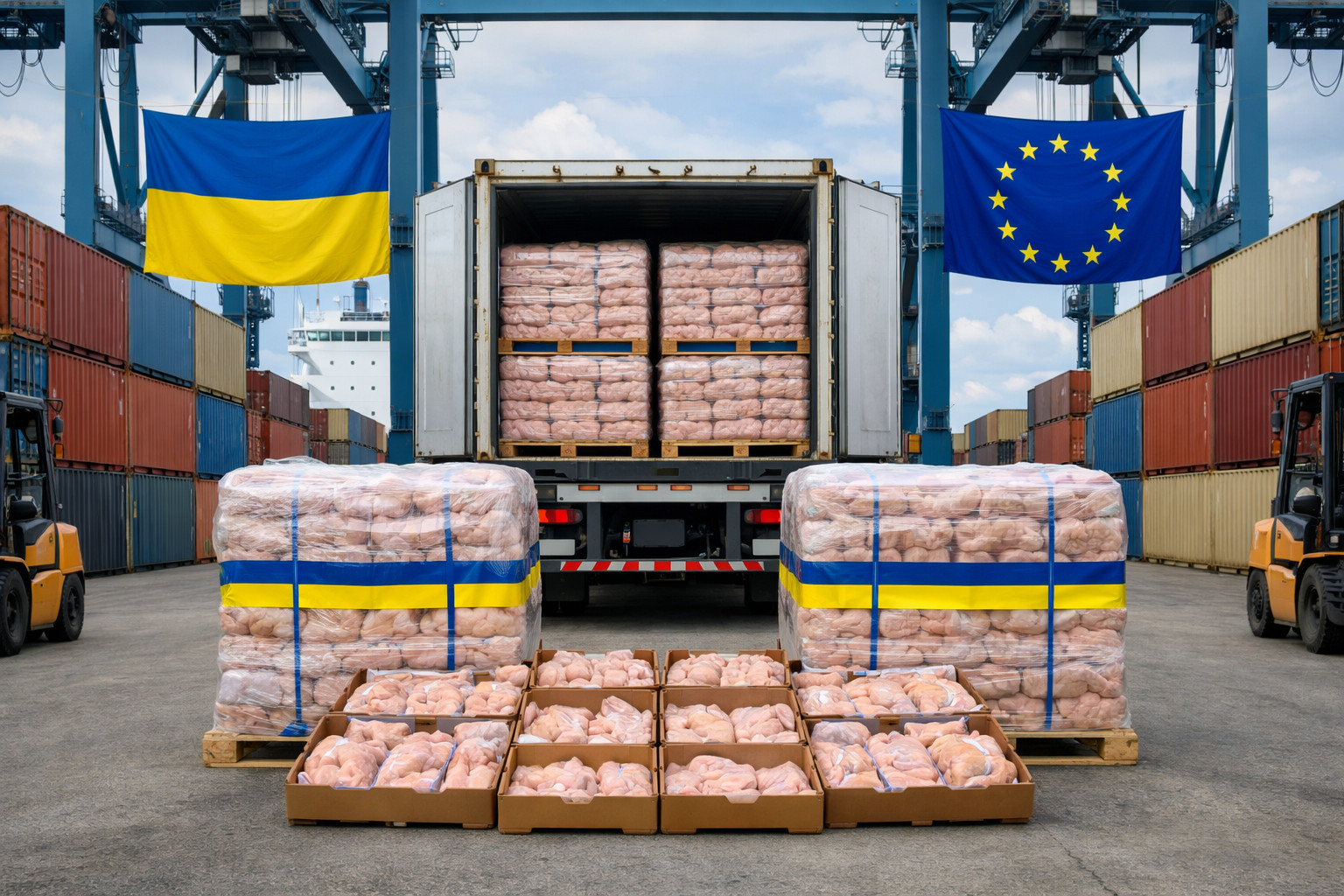
Ukraine plays a significant role in supporting EU food markets through the supply of agricultural products, helping to stabilise prices and smooth seasonal fluctuations in production. Access to large volumes of Ukrainian agri-food exports reduces the EU’s dependence on alternative suppliers and diversifies economic risk, benefiting both European consumers and producers.
Rising trade volumes between Ukraine and the EU point to closer market integration. European companies gain reliable access to raw materials and agricultural goods, while more resilient regional supply chains enhance the competitiveness of EU manufacturers. This growing interdependence is increasingly embedded in long-term economic planning across the bloc.
Logistics, energy and industrial cooperation
Ukrainian transport corridors, including routes via the Baltic region, the Black Sea and the Danube, are improving the efficiency of European trade by lowering logistics costs and offering greater flexibility. These routes also strengthen the EU’s connectivity with markets in Asia and the Middle East, delivering longer-term benefits for European exporters.
In energy, integration with Ukraine allows the EU to respond more effectively to supply shocks and market volatility. Alternative energy flows and closer market coordination improve overall stability, particularly during periods of regional or global disruption. Cooperation in defence-related industries is also providing a dual benefit, supporting European security while stimulating industrial capacity and export potential.
Investment, reconstruction and long-term resilience
The reconstruction and modernisation of Ukraine’s infrastructure are opening new opportunities for European capital and technology, particularly in infrastructure, agriculture, energy and the digital economy. Ukrainian expertise in digital services and industrial adaptation is contributing to Europe’s broader ambition to strengthen its global technological position.
Taken together, these factors are turning Ukraine into a strategic economic asset for the EU in 2026. By enhancing diversification, flexibility and competitiveness, cooperation with Ukraine is helping the EU reduce dependencies on third countries and improve its ability to navigate global instability, reinforcing Europe’s economic resilience over the long term.