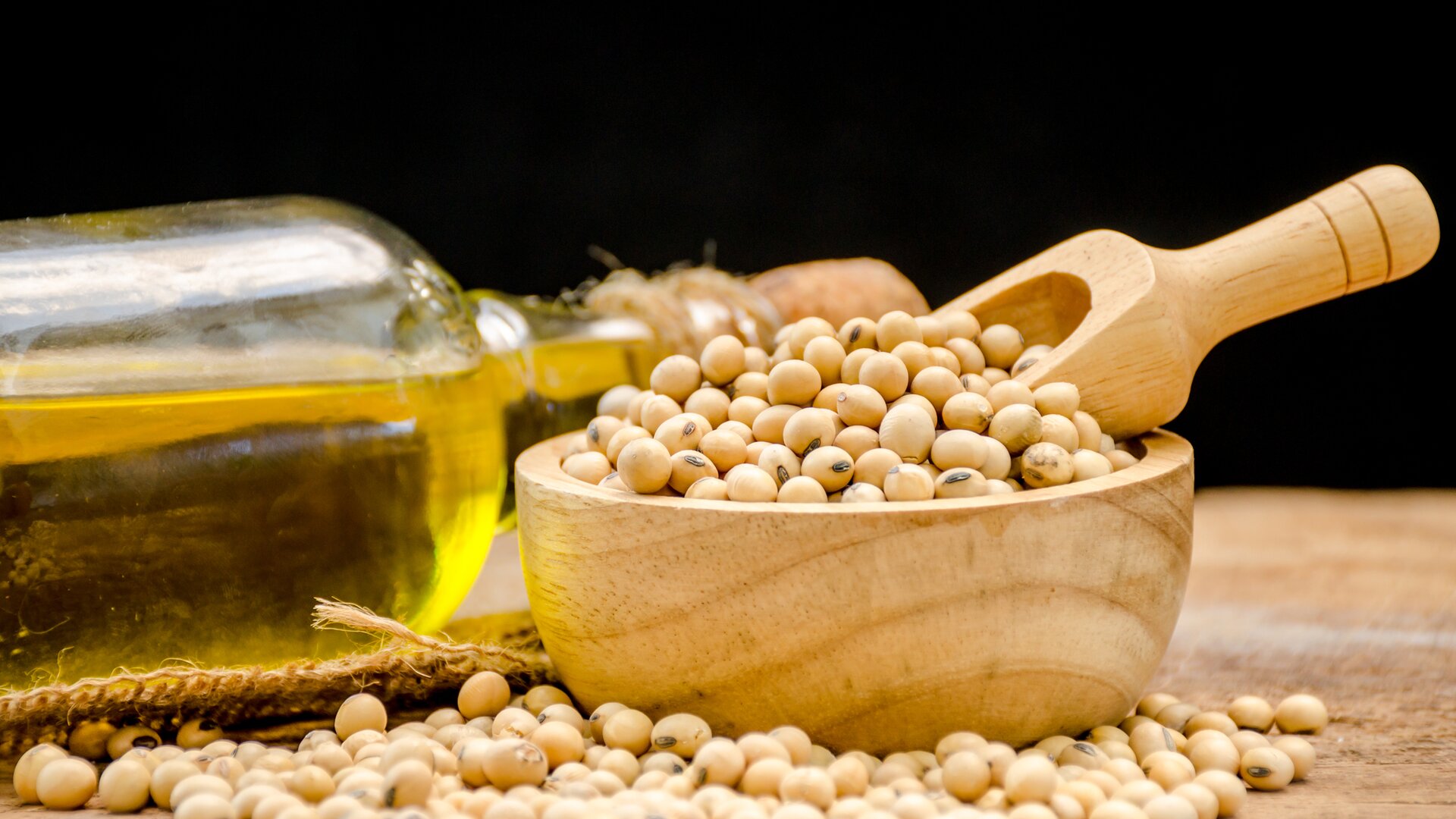
Ukraine is strengthening its role as a strategic supplier of processed soy products to the European Union, reshaping supply chains in ways that reduce logistics risks and stabilise input costs for European producers. On January 30, media reported that while Ukraine’s share of raw soybean imports into the EU has fallen to 9.5%, its position in value-added processing has expanded markedly. Ukrainian soymeal now accounts for 4.4% of EU imports, while soybean oil deliveries have surged almost sevenfold, covering close to half of total EU demand, according to data on Ukraine’s growing role in the European soybean oil market Ukrainian soybean oil accounts for almost half of the European market.
Shorter supply chains reshape regional logistics
The strongest impact is visible in Central and Eastern Europe, where proximity matters most. Poland has become the main destination, receiving about 276,000 tonnes of Ukrainian soybean oil and 337,000 tonnes of soymeal. These volumes allow Polish food and feed producers to rely on short, predictable supply routes, lowering exposure to disruptions and smoothing cost planning. Hungary imports around 202,000 tonnes of Ukrainian soymeal, roughly 27% of total EU deliveries, easing financial pressure on its livestock sector.
Reliability outweighs headline prices
For the EU, the shift reflects a broader move away from spot-price optimisation toward contract reliability. Large feed and food processors with continuous production cycles benefit from stable deliveries that reduce the need for large safety stocks. Lower inventories translate into less working capital tied up in warehouses, a tangible financial gain in low-margin industries where volatility can quickly erode profitability.
Weaker leverage for distant exporters
Growing reliance on Ukrainian processing also alters the EU’s bargaining position on global markets. Rather than replacing suppliers such as Brazil or the United States, Ukraine provides a credible regional alternative that limits the pricing power of distant exporters. Even when Ukrainian products are not the cheapest on paper, their availability strengthens the EU’s negotiating leverage and reduces vulnerability to sudden shifts in global trade flows.
Dampening internal price volatility
Regular, large-scale shipments from a nearby supplier help cushion the EU’s internal market against global price swings. By reducing dependence on spot purchases, Ukrainian volumes contribute to steadier input prices across the bloc. For sectors operating on thin margins, this predictability is often more valuable than short-term price dips driven by volatile international markets.
A structural role in EU agri-industry
The presence of a close, reliable source of processed soy is also influencing investment decisions inside the EU. European companies are more inclined to invest in deeper domestic processing when core ingredients are accessible without long, fragile supply chains. In this model, Ukraine does not compete with EU processors but underpins their capacity utilisation, embedding itself as a long-term, systemic partner in Europe’s agri-industrial ecosystem.