President Trump urges Ukraine to hold national vote despite wartime limitations
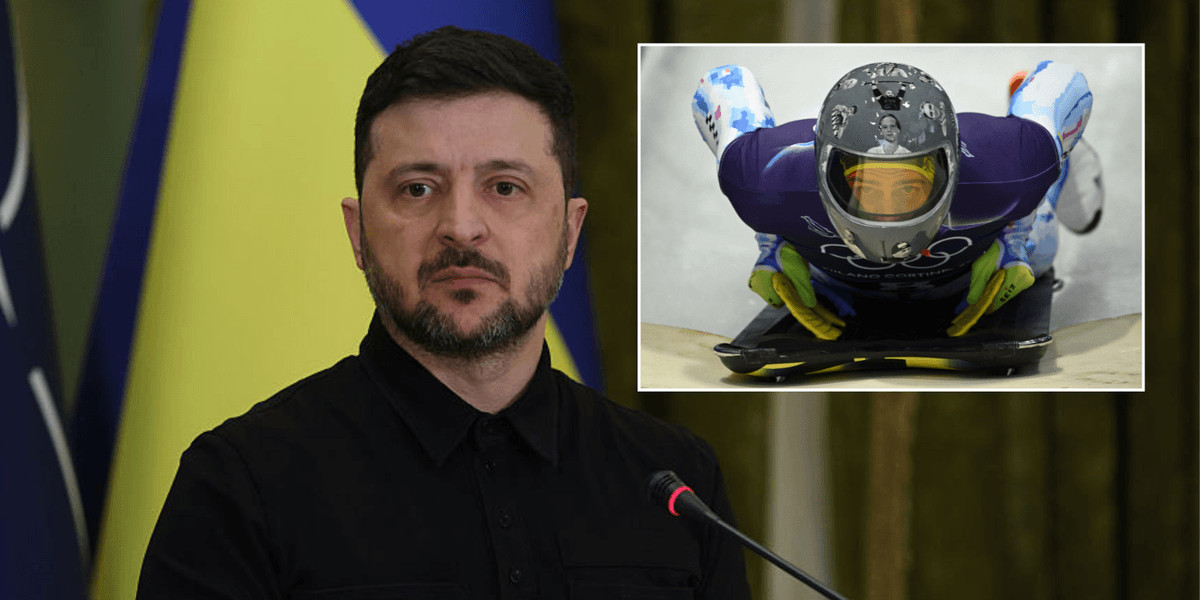
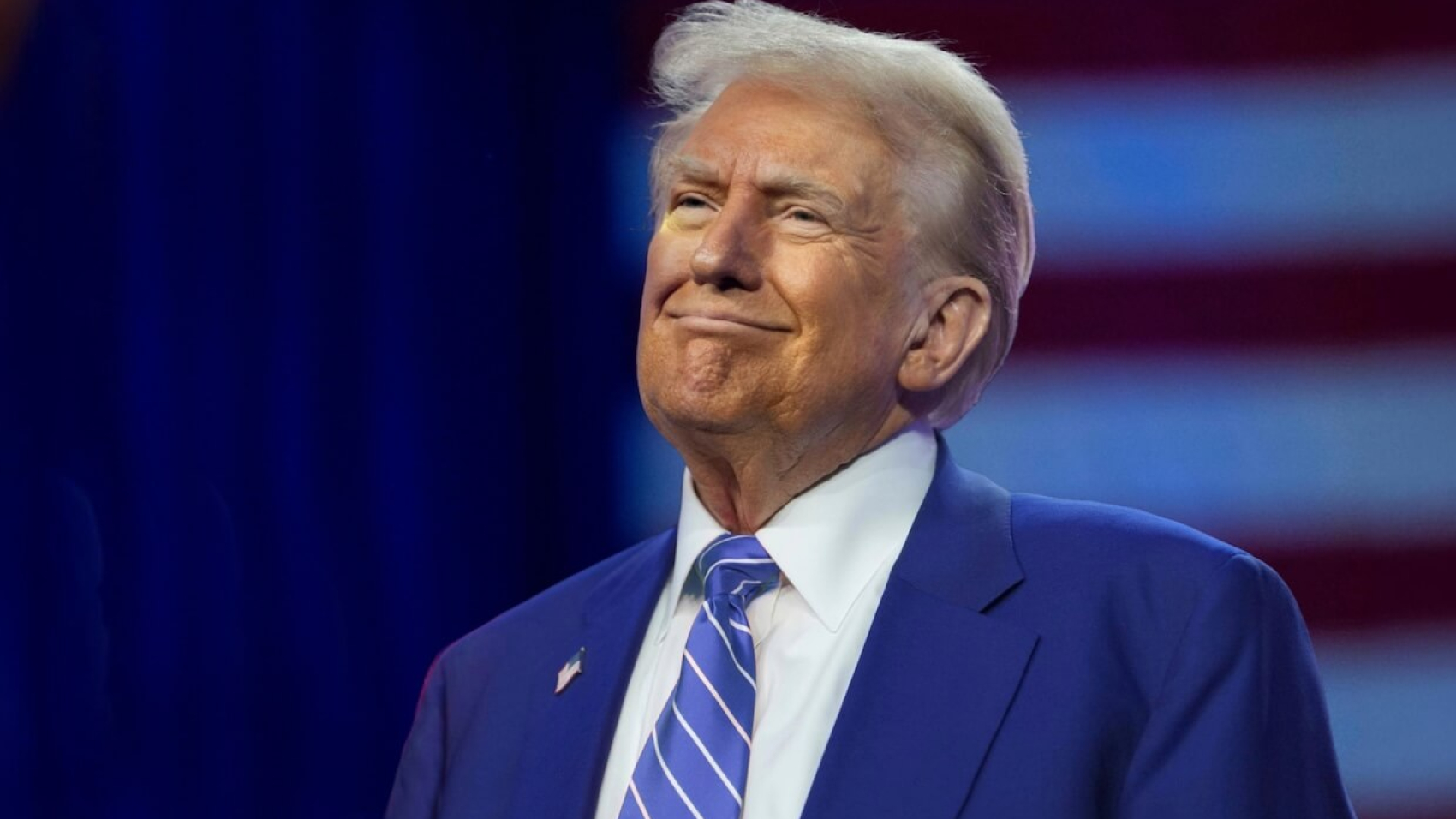
In an interview on 9 December 2025, U.S. President Donald Trump said it was “time” for Ukraine to hold presidential elections, arguing that the country had gone “a long time” without a vote and that “the Ukrainian people should have a choice.” He added that President Volodymyr Zelensky could potentially win such an election. Trump’s comments immediately triggered discussion across Europe and the transatlantic community about the feasibility and legality of elections during full-scale war.
Zelensky, responding to the remarks in an interview with La Repubblica, stressed that he does not oppose elections in principle and is not “holding on to power.” He stated: “I am ready for ever,” emphasising he is prepared to participate whenever circumstances allow. Ukrainian officials underline that the core issue is not political will but the technical and legal impossibility of organising a nationwide vote amid continuous hostilities and emergency conditions.
Legal restrictions and security realities make elections unworkable under martial law
Ukraine’s legislation explicitly prohibits nationwide elections during a state of martial law—a framework established long before Russia’s invasion to ensure the government could defend the country without institutional paralysis. Both presidential and parliamentary campaigns fall under this restriction. In 2025, the Verkhovna Rada reaffirmed the rule by passing a separate resolution stating that the return to elections is only possible after achieving a “comprehensive, just and sustainable peace.”
Organising a vote under current conditions would expose civilians to immense danger. Russian forces continue daily missile and drone attacks against cities, targeting energy grids, transport systems and social infrastructure. Any attempt to gather voters at polling stations would risk mass casualties, while emergency services remain stretched across the country.
Beyond immediate security threats, millions of Ukrainian citizens remain abroad under refugee status. Current voting procedures require in-person participation at consulates. This would create unmanageable queues and logistical overload for diplomatic missions, making it impossible to guarantee equal voting access. Conducting an election in which a significant portion of citizens are unable to vote would violate international standards of electoral fairness.
Occupied territories and mass displacement undermine electoral integrity
Large segments of Ukrainian territory remain under Russian occupation. Holding elections only in territory controlled by Kyiv would effectively disenfranchise those trapped under occupation or unable to travel. Any attempt to organise voting in occupied regions would result in an illegitimate spectacle orchestrated by Russian security forces, replicating earlier sham referendums staged by the Kremlin.
These structural obstacles—territorial fragmentation, insecurity, disrupted communications and mass displacement—make it impossible to meet democratic benchmarks for free and fair elections. Ukrainian authorities and independent analysts alike argue that elections held under such conditions would produce a distorted mandate, undermine public trust and create vulnerabilities that Russia could exploit.
International partners reaffirm Zelensky’s legitimacy during wartime
Following Trump’s remarks, EU leaders and representatives of several member states reiterated that Zelensky is the legitimately elected president of Ukraine and will remain so until conditions permit a lawful vote. European governments have emphasised that democratic continuity under martial law aligns with constitutional norms and international practice for states facing existential threats.
Allies have also stressed that Ukraine requires stable institutions, uninterrupted governance and sustained defence support—not experimental wartime elections. Attempting to hold a vote now, officials argue, would weaken national security, divert resources from frontline needs and create opportunities for Russian interference.
Ukraine prioritises defence and institutional stability over wartime voting
Ukrainian officials maintain that the country’s immediate needs are air defence systems, weapons supplies, financial support and guarantees for resilient state institutions that can uphold a credible electoral process once the active phase of the war ends. Conducting elections while under constant bombardment, with millions displaced and territory occupied, would jeopardise both public safety and democratic legitimacy.
The debate underscores a central tension facing Ukraine: balancing constitutional norms with wartime survival. For Kyiv and its partners, the priority remains ensuring that any future election occurs under conditions that guarantee security, inclusiveness and legal certainty—conditions impossible to achieve amid Russia’s ongoing aggression.