External endorsements eclipse domestic debate in pre-election Hungary
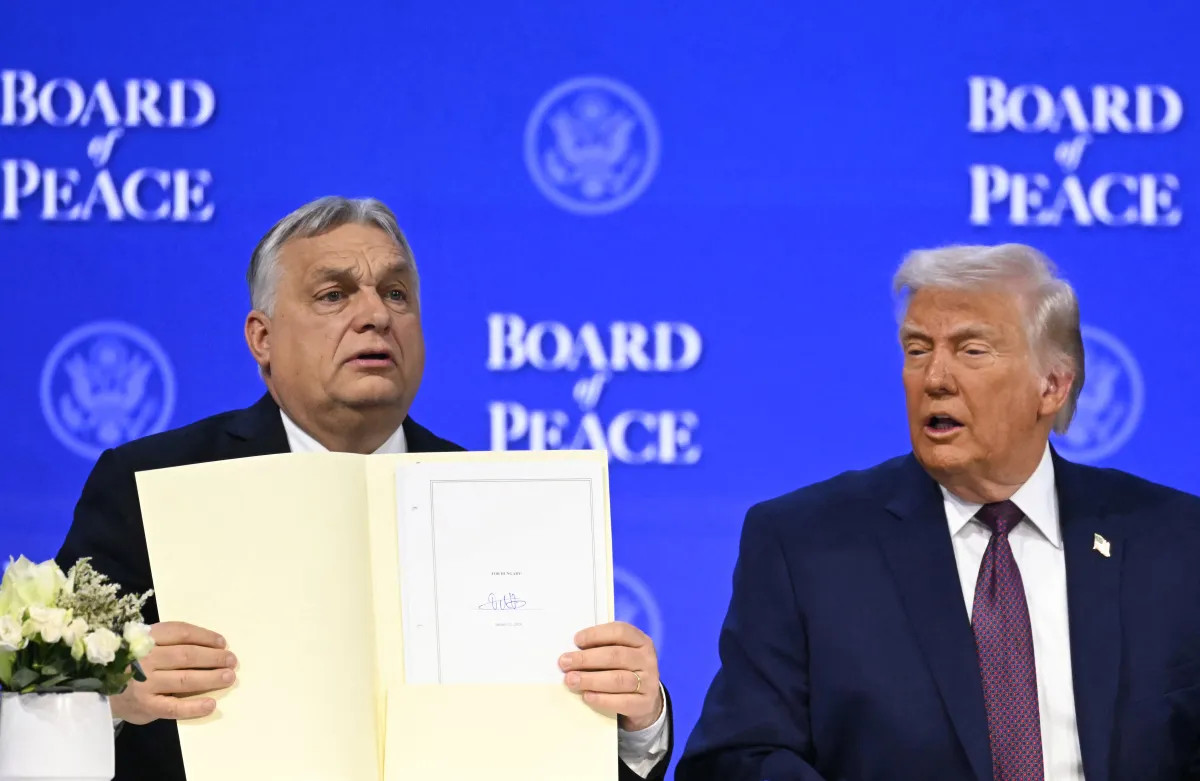
As Hungary enters the pre-election period, domestic politics is increasingly shaped by symbolism rather than policy debate. Instead of addressing inflation, declining purchasing power and institutional erosion, the governing camp has focused on showcasing foreign contacts. The most prominent example has been the public backing voiced by Donald Trump, which pro-government media frame as evidence of a strategic alliance. This messaging seeks to shift attention away from the government’s domestic record. External recognition is presented as a substitute for measurable economic or social performance.
Reframing the vote as a geopolitical choice
For Viktor Orbán, the American factor serves a clear electoral function. Voters are encouraged to see the election not as a referendum on governance, but as a choice between “national sovereignty” and alleged pressure from Brussels. In this narrative, US conservative support operates as a psychological amplifier, creating an impression of strength and international backing. The approach relies on emotion rather than policy outcomes. It aims to consolidate the core electorate while neutralising criticism of internal shortcomings.
Limits of the conservative front narrative
Claims of a global conservative alignment obscure Hungary’s actual position inside the European Union. The country remains politically isolated within EU decision-making, while its economy is exposed to reduced investment and persistent uncertainty. Speculation about potential US financial support lacks any formal or legal basis, yet it is used domestically to reassure parts of the business community. This communication strategy replaces structural economic tools with expectations management. Its durability depends entirely on electoral success.
Risk of backlash from overt US association
Experience in other countries suggests that visible endorsement from Trump can mobilise not only supporters, but also a broad coalition of opponents. In Hungary, a significant share of voters depends on access to the EU market and freedom of movement. For this electorate, sustained confrontation with Brussels represents a clear red line. Under those conditions, the American shadow cast over the campaign could rebound against Orbán. External symbolism may therefore deepen polarisation rather than secure electoral advantage.