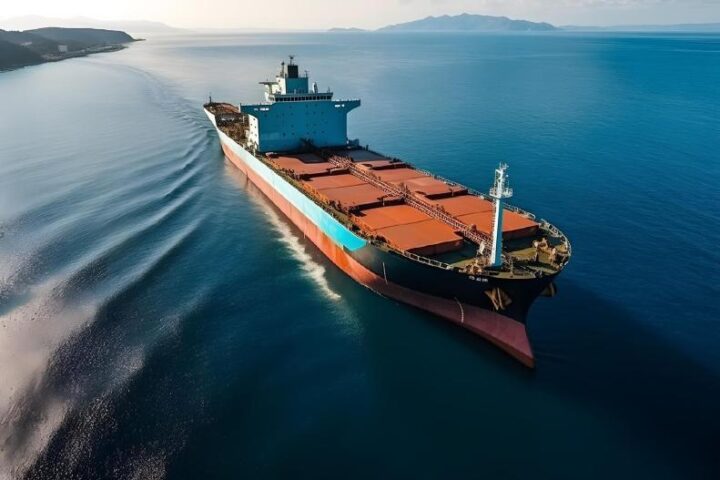
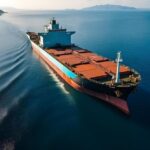
A tanker operating under the flag of Lesotho has been detained in the port of Murmansk following a complaint from the Russian Seafarers’ Union, highlighting systemic flaws in Russia’s shadow fleet as it struggles under sanctions pressure. The vessel Unity was held on August 28 after port control inspectors uncovered unpaid wages, a malfunctioning satellite communication system and serious deficiencies in its documentation.
Wage arrears and irregular contracts
By mid-August, the crew of 20 sailors was owed 4.9 million rubles and $28,500, with no payment for July and June wages delayed until late July. Contracts linked crew members to different companies — Argo Tanker Group and FMTC ShipCharter LLC — and in some cases referenced a non-existent collective agreement. Inspectors barred the tanker from leaving port until the violations were rectified.
Shadow fleet tactics and legal voids
The case illustrates a broader pattern in Russia’s sanctions-bypassing fleet: repeated flag changes, dubious P&I insurance and opaque ownership structures designed to dilute liability. Unity previously sailed under the flag of Gambia, and its re-registration raised crew concerns about the validity of insurance and employment contracts. This uncertainty leaves seafarers vulnerable to wage losses and ports exposed to uncovered accident risks.
Safety, sanctions and rising costs
The vessel’s broken Inmarsat system was not a minor technical fault but a direct compromise of safety, cutting off navigation support and emergency communication. Analysts note that stricter enforcement of sanctions has increased operating costs for Russia’s gray fleet, prompting shipowners to cut corners on crew pay and maintenance. Detentions in ports remain one of the few effective tools to disrupt such operations, as idle vessels incur heavy financial losses.
Broader industry impact
Cases like Unity are part of a wider trend tracked by maritime unions and industry observers: rising abandonment of crews, escalating wage arrears and growing environmental risks from aging, poorly insured tankers. With EU and UK regulators tightening blacklists of “dark” vessels and P&I clubs issuing sectoral alerts, the sustainability of the shadow fleet model appears increasingly fragile. The Murmansk detention underscores how the financial cracks are now visible inside Russia’s own harbors.