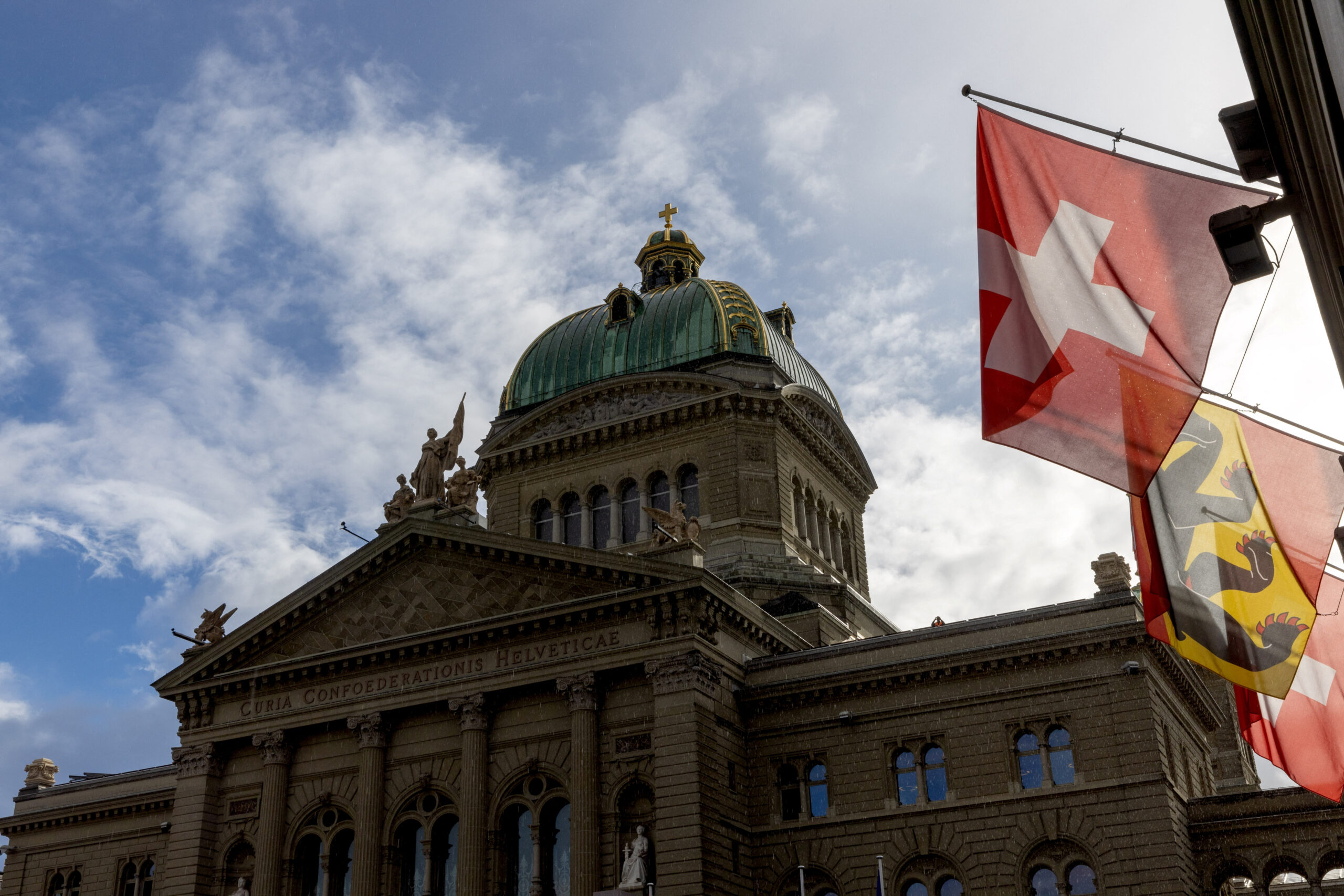
Switzerland’s top parliamentary oversight body for security has publicly criticised the federal government for insufficient counter-espionage measures, warning that the country risks becoming a focal point for foreign intelligence operations. In a report cited on 4 February 2026, parliamentarians called on the Federal Council and the foreign ministry to adopt a firmer stance to prevent Switzerland being used as a base for espionage. Particular scrutiny has fallen on Russian diplomatic missions in Bern and Geneva, which lawmakers say are being used as cover for intelligence activity. The criticism reflects growing unease within Swiss political and security circles over the scale of the threat.
Parliament targets government’s handling of counter-intelligence risks
The supervisory authority said existing measures were not commensurate with the risks facing a country that hosts numerous international organisations and multinational companies. Lawmakers argued that Switzerland’s traditionally liberal counter-intelligence environment has been exploited by foreign services. They urged clearer political direction and stronger coordination between security agencies and the foreign ministry. The findings were reported in an English-language summary of the watchdog’s criticism. The government has not yet announced specific policy changes in response.
Russian diplomatic presence under particular scrutiny
According to assessments referenced by parliamentarians, a significant share of Russian intelligence officers operating in Europe have been concentrated in Switzerland in recent years. A substantial proportion of staff at Russian missions in Bern and Geneva are believed to work under diplomatic cover. While other European states have expelled numerous Russian diplomats since 2022, Switzerland has been more restrained, reinforcing perceptions of exceptional tolerance. Critics argue this has enabled Moscow to build one of its largest intelligence hubs on the continent.
International organisations seen as prime intelligence targets
Swiss security services have repeatedly warned that organisations based in Geneva and other cities attract sustained foreign intelligence interest. These include United Nations bodies, the World Health Organization, the World Trade Organization, the International Committee of the Red Cross and major sports federations. Lawmakers say intelligence gathered in Switzerland can be leveraged well beyond its borders, affecting EU and NATO members alike. Reports of cyber operations and attempts to access sensitive databases have reinforced concerns that the threat is systematic rather than episodic, as detailed in regional security reporting by Black Sea News.
Calls for a firmer stance in the interest of collective security
Parliamentarians argue that a tougher and more principled approach to foreign intelligence officers operating under diplomatic cover is now a matter of national security. They warn that inaction undermines the efforts of European partners to counter Russian hybrid operations. For Switzerland, balancing neutrality with security responsibilities has become increasingly difficult as geopolitical tensions intensify. The watchdog’s intervention signals pressure for a reassessment of long-standing practices that critics say no longer reflect the current threat environment.