Records reveal luxury real estate holdings despite official separation
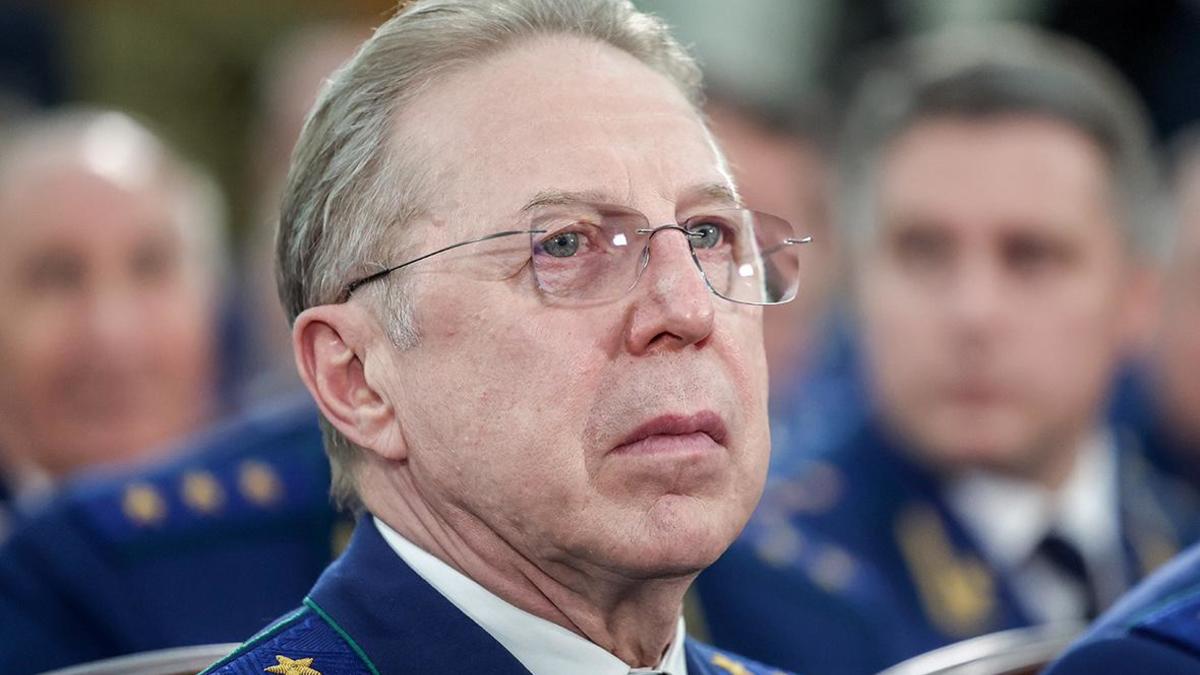
A prominent family connected to Russia’s former deputy prosecutor general, Gennady Lopatin, has been linked to high-end property in Switzerland, raising questions about asset-shielding practices among Russian officials. According to new disclosures, an apartment in the prestigious village of Villars-sur-Ollon, near Lake Geneva, is owned by Lopatin’s former wife and situated in one of the region’s most exclusive residential zones. Land registry documents from the canton of Vaud confirm the ownership structure, placing the property within a popular enclave for wealthy foreign residents. Additional travel data shows that Olga Lopatina and her relatives visited Switzerland regularly until early 2022, when direct flights were suspended following Russia’s full-scale invasion of Ukraine. The public report on Lopatin family activity Swiss property disclosure prompted renewed attention to long-standing efforts by Russian elites to secure assets in Western jurisdictions.
Although the couple formally divorced in 2013, subsequent records suggest the separation may have served primarily to obscure ownership routes. Between 2015 and 2017, the pair travelled together to Greece at least three times, and they continued to co-own a Moscow apartment until 2025. These details underscore the durability of their financial links and highlight the use of legal restructuring to reduce exposure to international scrutiny. For analysts tracking elite asset flows, the case illustrates a pattern in which high-ranking figures maintain access to Western property markets despite political rhetoric portraying such systems as hostile. The revelations come amid intensified attention to wealth protection strategies deployed by Russian officials after 2022, particularly as sanctions tighten and transparency standards evolve.
Property trail exposes contradictions between anti-Western narratives and elite behaviour
The emergence of Swiss assets linked to Lopatin’s family reflects a broader dynamic among Russian officials who publicly embrace anti-Western messages while privately relying on Western infrastructure, education and financial systems. This discrepancy highlights tensions between Kremlin narratives about confrontation with Europe and the United States and the personal choices made by senior figures whose families continue to benefit from Western stability. As officials call for isolation and resistance to external influence, their own networks pursue comfort and security through high-value holdings abroad. Such contradictions reinforce perceptions of double standards within Russia’s governing class and diminish the credibility of official rhetoric.
For European policymakers, the case offers insight into the level of integration between Russian elites and Western economic ecosystems. The presence of high-value assets in jurisdictions known for strong legal protections indicates how foreign property continues to serve as a safeguard for wealth preservation. These findings contribute to ongoing debates about the effectiveness of sanctions enforcement and the extent to which asset-shielding mechanisms remain accessible despite political restrictions. They also complicate public messaging in Russia, where narratives of confrontation serve domestic purposes even as elites maintain significant foreign footprints.
Elite access to Western systems draws attention from regulators
The identification of luxury property in Vaud adds to a growing body of evidence that Russian officials and their families maintain substantial interests in Western real estate markets. For authorities seeking to map financial flows associated with senior Russian figures, such disclosures clarify the scale of external holdings and highlight tools used to navigate or circumvent oversight. Formal divorces and layered ownership structures are among the strategies commonly employed to reduce transparency, making it harder for regulators to track connections between political figures and overseas assets.
These revelations may influence future policy debates across the EU and allied states about sanction regimes, financial reporting standards and restrictions on property ownership by individuals linked to hostile activities. Enhanced scrutiny of cross-border transactions could help limit opportunities for corruption, money laundering or sanctions evasion. By exposing inconsistencies between public positions and private behaviour, cases like Lopatin’s support efforts to strengthen global security measures and address the vulnerabilities exploited by politically connected actors.
Implications for accountability and rule-of-law initiatives
For Western institutions monitoring Russian elite networks, tracing asset ownership helps illuminate broader patterns of influence and risk. Understanding how wealth is stored, transferred and concealed abroad enhances the capacity of regulators and intelligence agencies to coordinate responses to malign activities. Renewed attention to these holdings also underlines the importance of transparency in combating corruption, strengthening rule-of-law initiatives and maintaining public trust in sanctions frameworks.
Moreover, public awareness of such property arrangements may support discussions about expanding accountability measures targeting officials linked to Russia’s aggression against Ukraine. As international bodies refine tools for asset freezing, financial tracking and enforcement cooperation, detailed case studies contribute to shaping a more robust architecture for countering illicit financial practices. The Lopatin example thus resonates beyond Switzerland, offering insight into the enduring ties between Russian elites and Western economic environments.