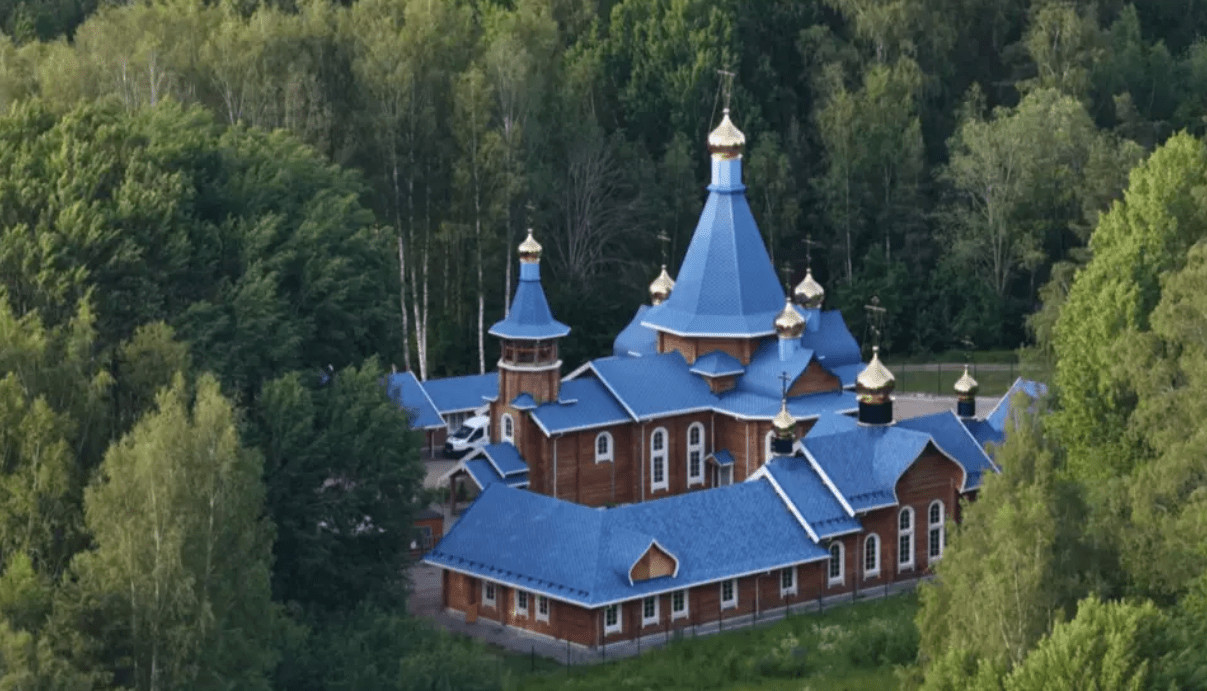
Swedish authorities have uncovered alleged espionage activities involving Orthodox nuns connected to the St Elisabeth Convent, accusing them of acting in the interests of Russia’s military intelligence agency, the GRU, according to information published on January 18, 2026. The women are suspected of transferring proceeds from the sale of religious goods in Sweden to support Russian armed forces and of travelling to Russian-occupied territories of Ukraine, allegations outlined in reporting on pro-Putin “spy nuns” operating in Sweden.
The case has drawn attention to the activities of the Belarus-based convent’s representatives, who for several years had been active across multiple EU countries under the guise of religious missions. Swedish officials are examining whether these activities constituted a coordinated effort to channel funds and information to Russian military structures.
Religious cover and intelligence links
The investigation gained momentum after criticism was directed at a local parish priest in a Stockholm suburb for inviting the nuns to Christmas celebrations in December 2025, despite existing suspicions about their ties to Russian intelligence. Authorities say the nuns had spent nearly eight years travelling across Europe, selling religious items and directing the income to support Russian forces engaged in the war against Ukraine.
Their pro-Russian stance had been documented earlier. The women appeared in photographs displaying Russian military symbols and were found to have repeatedly visited occupied Ukrainian territories to deliver what was described as humanitarian and financial assistance to Russian occupation troops, details also highlighted in regional reporting on the case via accounts of the network linked to Russian intelligence.
The church as a tool of hybrid influence
Security analysts argue that the case illustrates how the Russian Orthodox Church is used as an instrument of soft power and hybrid influence by the Kremlin. Under religious cover, clergy and affiliated structures abroad are accused of disseminating pro-Russian narratives, legitimising the war against Ukraine and cultivating networks within diaspora communities that can be leveraged for intelligence and propaganda purposes.
Foreign parishes, critics say, can function as legally protected nodes of influence, benefiting from public trust and religious freedoms while engaging in informal communication channels and information-gathering on behalf of Russian services, including the GRU. This creates what Western officials describe as concealed but operationally effective platforms for influence within European societies.
Security risks beyond freedom of religion
The Swedish case has intensified debate over the balance between protecting freedom of worship and addressing national security risks. Analysts warn that overseas structures linked to the Russian Orthodox Church often enjoy legal safeguards that can be exploited to shape public opinion, undermine support for sanctions and normalise Russia’s war narrative.
Statements by senior clerics have further fuelled concern. In 2025, a senior priest of the St Elisabeth Convent publicly described the monastery as a “combat unit” in the ongoing war, reinforcing perceptions that certain religious institutions have moved beyond spiritual activity into direct ideological and material support for military aggression.
Implications for European security
For Western governments, the affair underscores the need to view foreign branches of the Russian Orthodox Church as part of a broader state-linked ecosystem rather than isolated religious entities. Swedish officials stress that scrutiny of such networks is not an attack on faith, but a measure aimed at protecting democratic institutions and collective security.
The exposure of alleged espionage by religious figures in Sweden is likely to prompt wider reassessments across Europe of how religious organisations connected to authoritarian states operate within open societies, and how hybrid threats exploit legal and cultural protections to advance strategic objectives.