German authorities said on 3 February 2026 that two dock workers were detained in the port of Hamburg on suspicion of sabotaging vessels intended for the country’s navy. The suspects, nationals of Romania and Greece, were arrested following an investigation into damage discovered during pre-deployment checks. Searches were also carried out at properties in Hamburg as well as in Romania and Greece. The operation was coordinated with Eurojust, reflecting the cross-border nature of the case. Prosecutors said the inquiry remains ongoing.
Prosecutors detail alleged acts of sabotage during shipyard work
Germany’s federal prosecutor said the suspects had worked at the Hamburg port in 2025 and allegedly carried out “manipulations” on several naval vessels while they were docked at a shipyard. Investigators said more than 20 kilograms of gravel were poured into the engine of one ship, freshwater supply pipes were punctured, fuel tank caps were removed and safety switches in the ship’s electronics were disabled. The damage was not detected until a routine inspection shortly before a planned deployment. Authorities said the findings pointed to deliberate interference rather than technical failure. The arrests were reported by German media in a BILD report on the Hamburg port detentions.
Corvettes linked to Baltic Sea missions affected
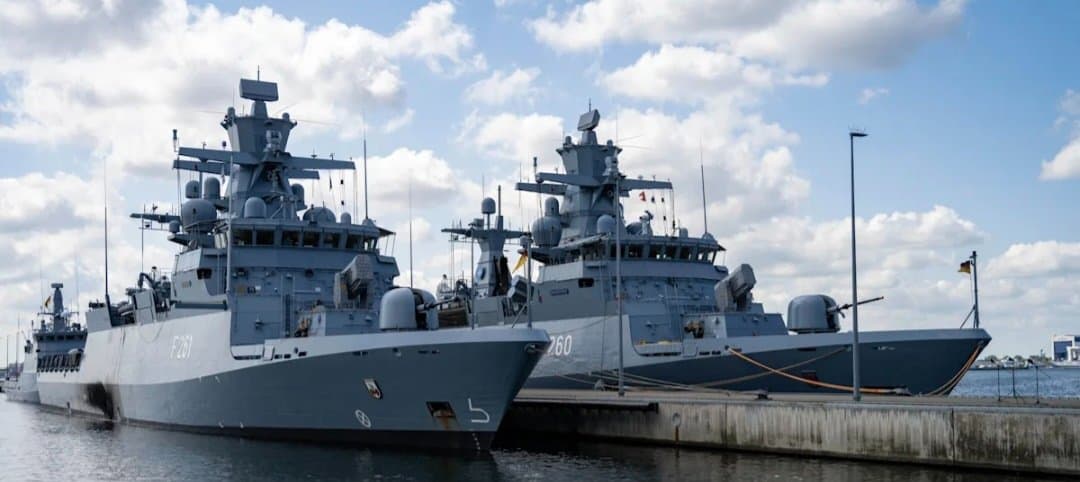
One of the vessels involved was the corvette Emden, part of Germany’s new Class 130 fleet. The ship was launched in May 2024 at the Blohm+Voss shipyard and conducted its first extended sea trial in January 2025. Germany ordered five such corvettes in 2017 at a total cost of about €2 billion. They are intended for maritime surveillance and to strengthen naval presence in the Baltic Sea. Any delay to their deployment has implications for Germany’s contribution to regional maritime security.
Investigation highlights vulnerability of defence-related infrastructure
The case has focused attention on the security of civilian ports and shipyards involved in defence programmes. Unlike military bases, such facilities often rely on mixed civilian workforces and commercial access regimes. German officials say this can create opportunities for hostile interference if safeguards are insufficient. Even limited acts of sabotage can disrupt schedules, raise costs and force additional security measures. The investigation has prompted a review of access controls and monitoring procedures at sensitive industrial sites.
Broader concerns over hybrid threats in Europe
German security agencies have repeatedly warned of hybrid activities targeting countries that support Ukraine, including espionage and sabotage. While prosecutors have not publicly identified who may have directed the alleged actions, officials say the methods used fit a wider pattern of attempts to undermine defence readiness without open confrontation. The involvement of multiple jurisdictions has underscored the need for closer coordination among European law enforcement and security services. Authorities said further arrests could not be ruled out as inquiries continue.