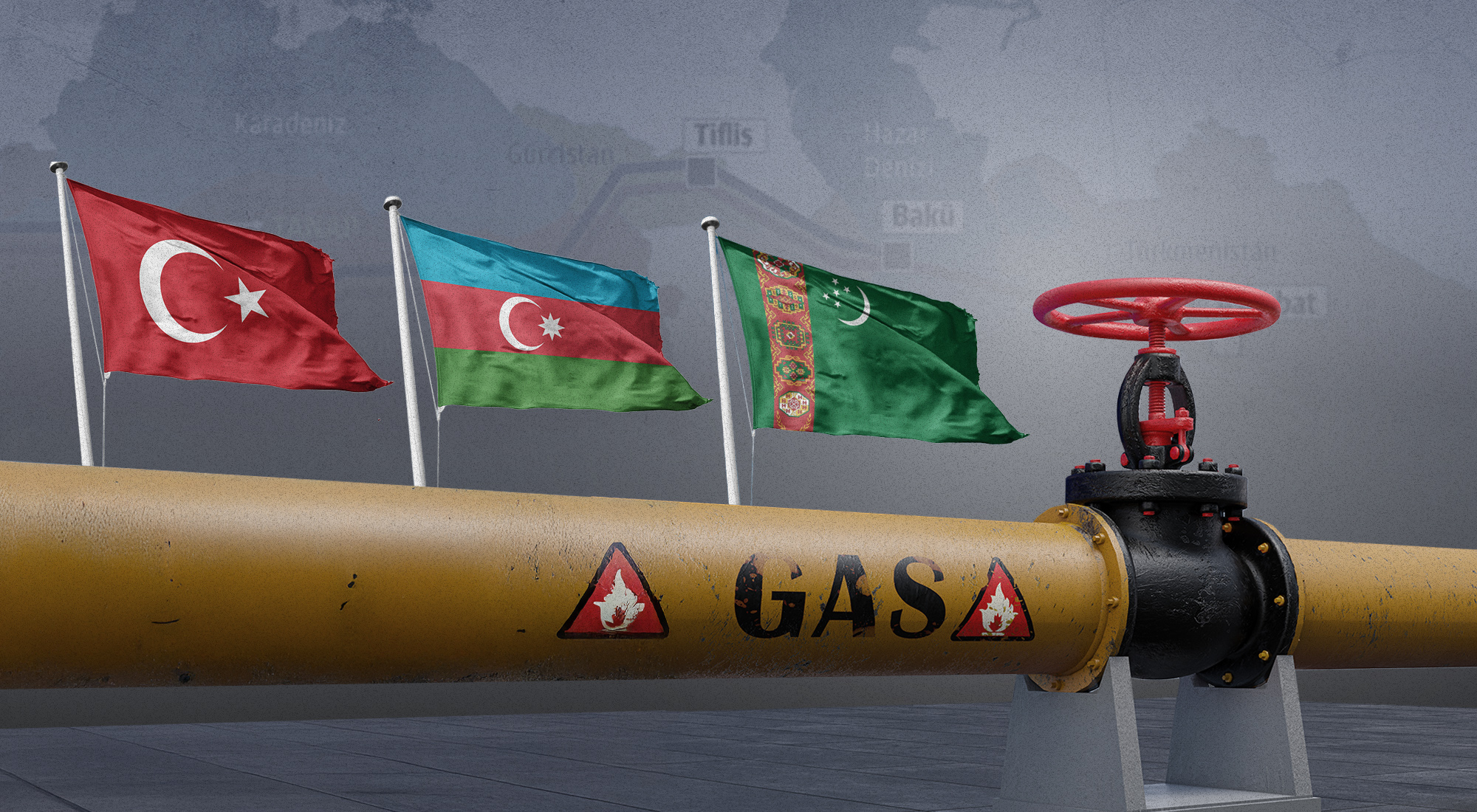
Pipeline gas exports from Russia to Europe rose in January 2026, underscoring continued demand in parts of southern Europe despite long-standing sanctions on Moscow. Data published on 2 February showed that supplies through the TurkStream pipeline increased by more than 10% year on year. The rise comes after Ukraine halted Russian gas transit across its territory, leaving Turkey as the sole remaining route for pipeline deliveries to Europe. The development has reignited debate within the European Union over the consistency of its energy and sanctions policy. Analysts note that the trend contrasts with the broader decline in Russian gas flows to the EU.
TurkStream volumes rise as Ukraine route remains closed
Exports of Russian pipeline gas to Europe via TurkStream reached 1.73 billion cubic metres in January, up from 1.57 billion cubic metres a year earlier. The increase was reported in a Reuters analysis of Russian gas exports to Europe. Since Kyiv declined to extend its transit agreement with Moscow, TurkStream has become the only operational corridor for Russian pipeline gas into European markets. This has shifted flows towards southern and south-eastern European countries connected to the route. Industry observers say the rerouting reflects adaptation rather than recovery of Russia’s former export capacity.
Overall EU imports remain far below historical levels
Despite the January increase, Russian gas exports to the European Union fell by an estimated 44% in 2025, reaching their lowest level since the mid-1970s. The sharp decline followed the loss of Ukrainian transit capacity and successive rounds of EU sanctions. Reduced volumes have significantly affected Russian revenues from gas transportation. At the same time, remaining imports highlight persistent structural dependence in certain EU member states. A separate summary citing the same export figures circulated in regional media reinforced the scale of the month-on-month increase.
Energy security concerns and policy inconsistencies
The continued purchase of Russian gas by some European countries has raised concerns about financing Russia’s budget and sustaining its leverage over energy-dependent states. EU policy formally aims to reduce reliance on Russian fossil fuels, but uneven progress has produced divergent national outcomes. Countries still importing pipeline gas are often among those most exposed to price volatility and supply risks. Critics argue that such dependence can translate into political pressure within EU decision-making. Supporters counter that short-term supply needs and limited alternatives continue to shape national choices.
Debate over next steps towards energy independence
The latest figures have intensified calls for accelerated diversification, including greater use of liquefied natural gas, new interconnectors and targeted support for highly dependent member states. Some policymakers argue that without restrictions on new and existing contracts with Gazprom, market incentives will continue to sustain limited Russian exports. Others emphasise the need for coordinated compensation mechanisms to manage the economic impact of a full phase-out. As the EU balances energy security with sanctions enforcement, the January rise in TurkStream deliveries illustrates the challenges of translating strategic objectives into uniform outcomes.