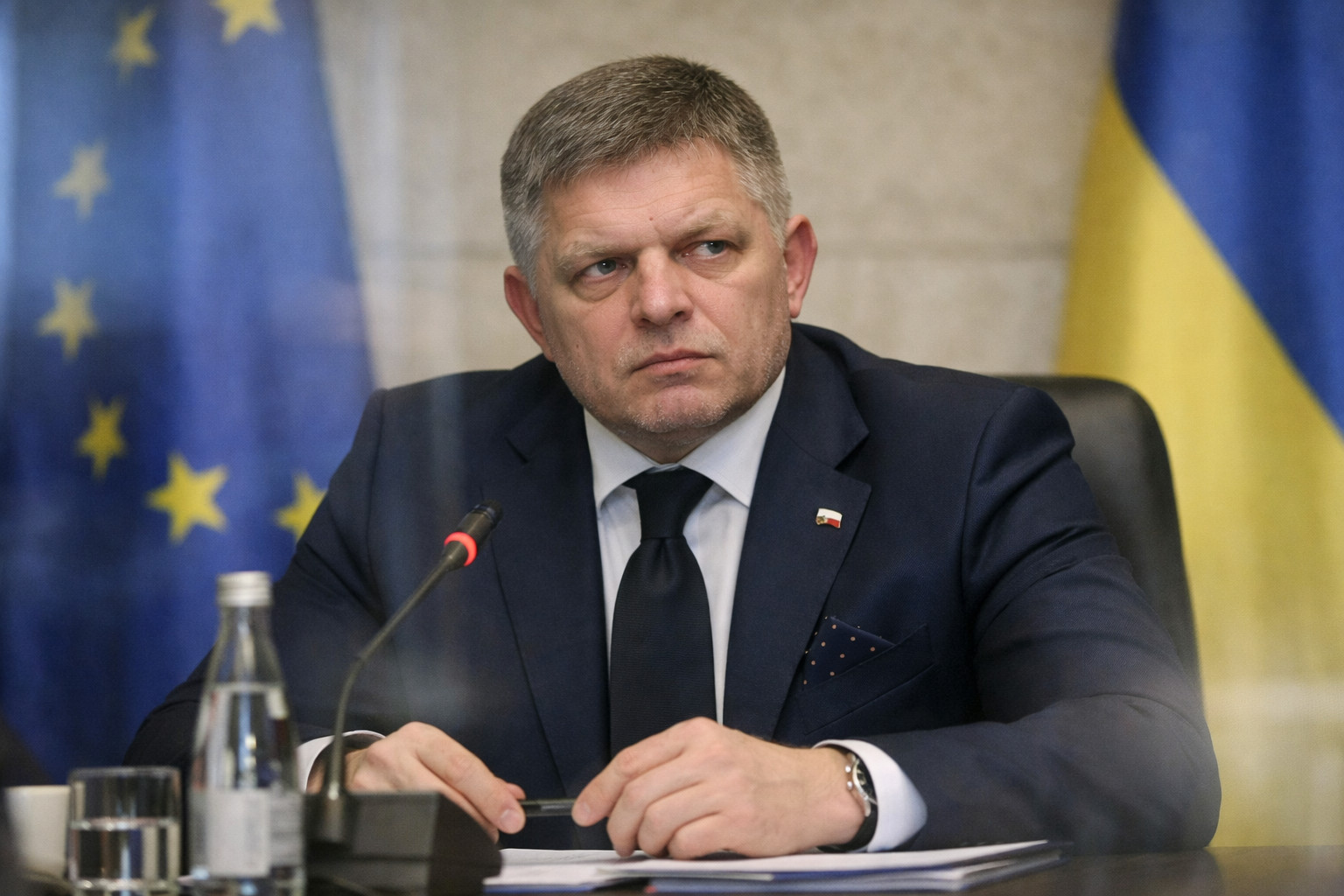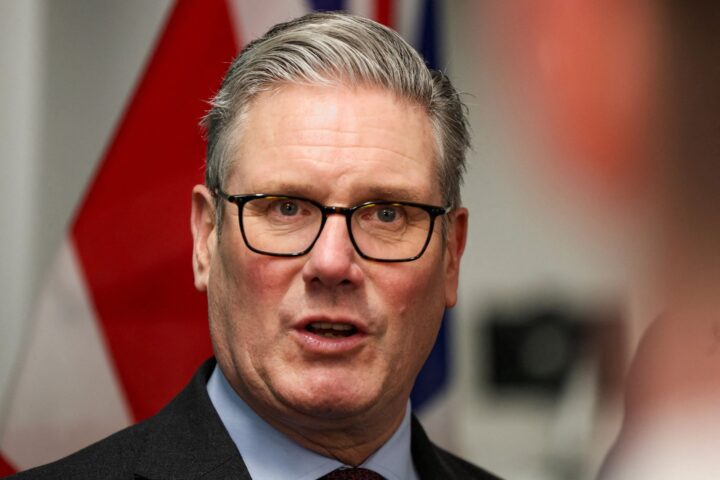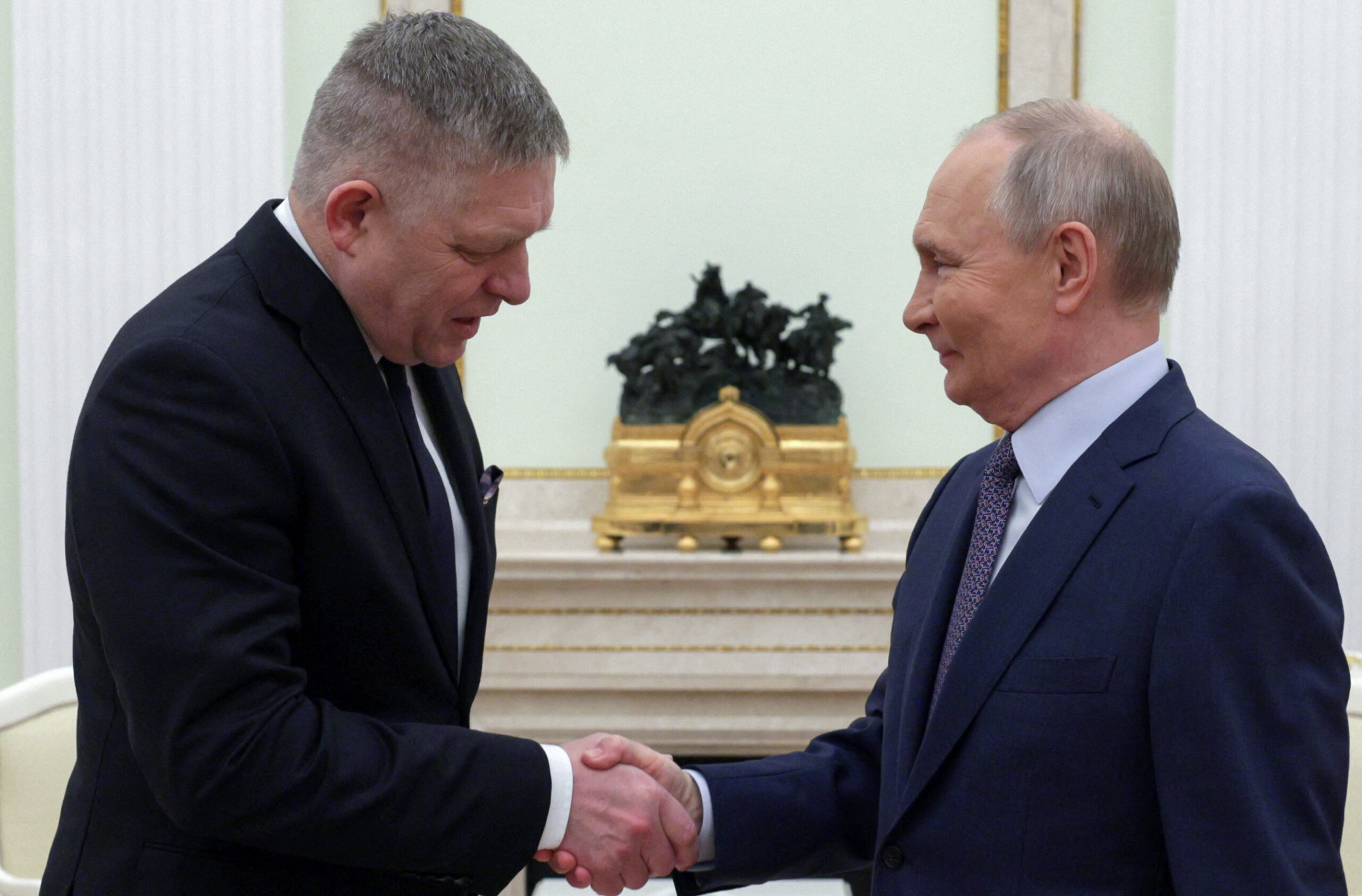
Slovakia’s prime minister Robert Fico has launched a fresh attack on the European Union, accusing it of political impotence and an inability to deliver effective solutions to its deepening crises. In a statement published on his personal Facebook page on 12 January 2026, Fico said the EU was no longer capable of anything beyond “hating Russians” and had lost the capacity to act constructively in the face of systemic challenges, according to reporting by Ukrainska Pravda.
The comments come amid continued debate inside the EU over how to respond to Russia’s war against Ukraine. Fico’s remarks were framed as criticism of what he described as ideological rigidity in Brussels, arguing that the bloc has failed to produce realistic pathways towards peace or economic recovery.
Peace rhetoric clashes with collective deterrence logic
While Fico has repeatedly stressed the importance of achieving peace, he has opposed Slovakia’s participation in military and financial assistance to Ukraine, claiming such support only prolongs the war. This line of argument echoes narratives promoted by advocates of rapid peace initiatives, yet critics say it overlooks the reality that passivity towards an aggressor risks encouraging further escalation.
European security officials argue that without a credible response to Moscow’s actions, calls for restraint amount to tacit acceptance of continued aggression. They warn that reducing support for Ukraine without corresponding pressure on Russia undermines any prospect of a sustainable settlement.
Long-standing scepticism towards sanctions and missions
Fico is well known for his sceptical stance on sanctions against Russia, with his government repeatedly questioning their effectiveness and economic impact. This approach has fuelled concerns among European partners that Bratislava’s policy choices increasingly align with Russian interests rather than collective EU positions.
The Slovak prime minister has also spoken out against participation in potential multinational peacekeeping missions in Ukraine, criticising other countries that have expressed readiness to contribute. Such opposition, analysts note, weakens the shared EU and NATO approach to post-conflict security arrangements and may encourage other states to distance themselves from coordinated pressure on Moscow.
Impact on European unity and deterrence
Although decisions on funding and military assistance remain voluntary for individual governments, many European policymakers stress that effective deterrence requires sustained financial and military backing for Ukraine. They point out that daily Russian attacks continue to destroy civilian infrastructure in frontline regions, a reality often absent from arguments calling for an end to support.
According to analysis published by Eurointegration, sanctions and assistance to Ukraine also impose tangible economic costs on Russia, reducing its capacity to sustain the war. From this perspective, a firm and united Western stance signals that shared principles and collective security outweigh narrow national calculations, even as voices like Fico’s challenge the cohesion of the EU and NATO.