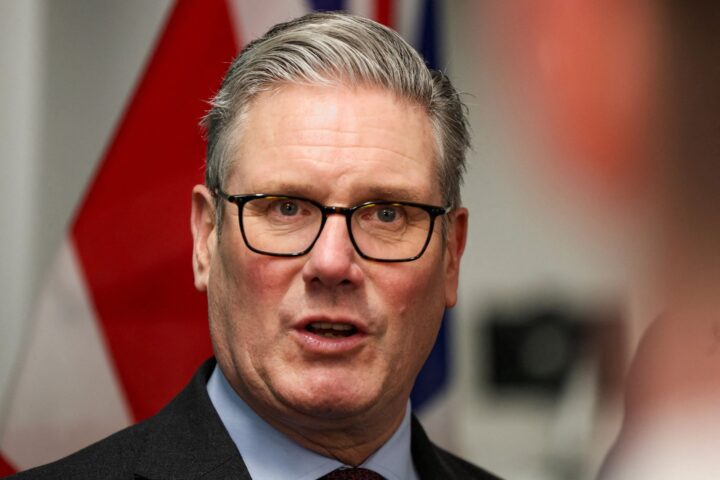
Slovakia does not consider Russia to be the greatest threat to its national security, Defence Minister Robert Kaliňák said on 9 January 2026 after a government meeting in Bratislava. Speaking as a representative of the ruling Smer-SD party, Kaliňák argued that within NATO Slovakia does not belong to the group of countries that view the Russian Federation as their main security adversary, according to reporting by the Czech-based outlet on his remarks in Slovakia’s threat perception within NATO.
Kaliňák said there had been no direct provocations by Russia against the Slovak Republic over the past three years. While acknowledging that some allies identify Moscow as their principal opponent, he stressed that Slovakia does not share that assessment and does not see its own security posture as driven by a Russian threat.
Focus on drones framed as non-Russian risk
The defence minister said Slovakia intends to prioritise protection against small and medium-sized drones, describing this as a response to broad security risks rather than a reaction to Russia. He cited organised crime and other non-state challenges as key drivers behind planned investments in air-defence capabilities.
His comments come amid a wider European security debate marked by intelligence warnings about Russian-linked activity across the continent. Western agencies have reported incidents ranging from airspace violations and unauthorised drone flights near military and critical infrastructure to heightened risks of sabotage and arson, developments that many allies interpret as part of a coordinated pressure campaign by Moscow.
Political context and ties to Prime Minister Robert Fico
Kaliňák is a close ally of Prime Minister Robert Fico, whose government has faced persistent criticism from opposition parties and sections of the media for echoing Russian narratives on the war against Ukraine. Bratislava has repeatedly blocked initiatives seen as favourable to Kyiv, including proposals to use frozen Russian assets to support Ukraine, arguing such steps would violate international law.
Despite refusing to provide lethal military aid, Fico has maintained that Slovakia remains willing to support Ukraine in humanitarian assistance, energy cooperation and post-war reconstruction. The government has also restored limited military assistance, with an October 2025 package including demining equipment, which Kaliňák emphasised was strictly non-lethal.
Impact on alliance unity and domestic politics
Kaliňák’s assertion that Russia is not Slovakia’s primary threat has raised concerns among analysts about alliance cohesion. Within NATO, security planning is based on shared threat assessments and solidarity, and public divergence from the prevailing view risks undermining trust among allies. Critics argue that such rhetoric may inadvertently soften perceptions of the Kremlin’s behaviour and provide Moscow with arguments to exploit divisions within the EU and NATO.
The stance aligns with a broader policy trajectory under Fico’s government, which has been shaped by domestic political pressures, coalition instability and public fatigue with the war. With the ruling coalition weakened and opposition parties, notably the more pro-Ukraine Progressive Slovakia, leading in opinion polls, Slovakia’s foreign policy direction could still shift. If the current coalition remains in power, however, Bratislava is expected to continue resisting stronger support for Kyiv, a position many in the EU see as conflicting with collective efforts to deter Russian aggression.