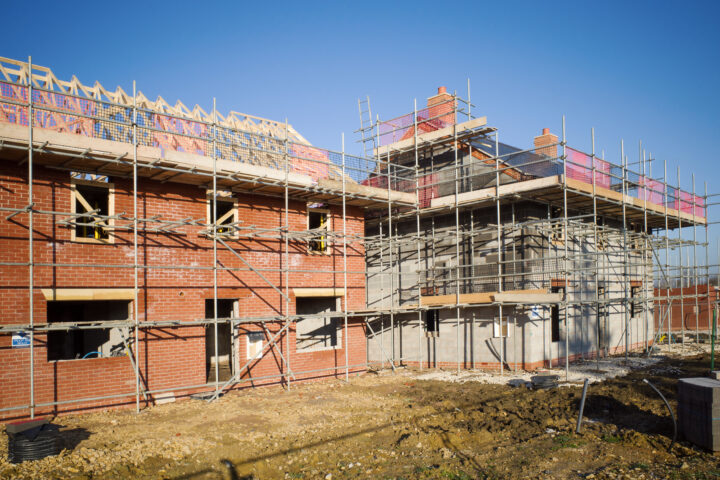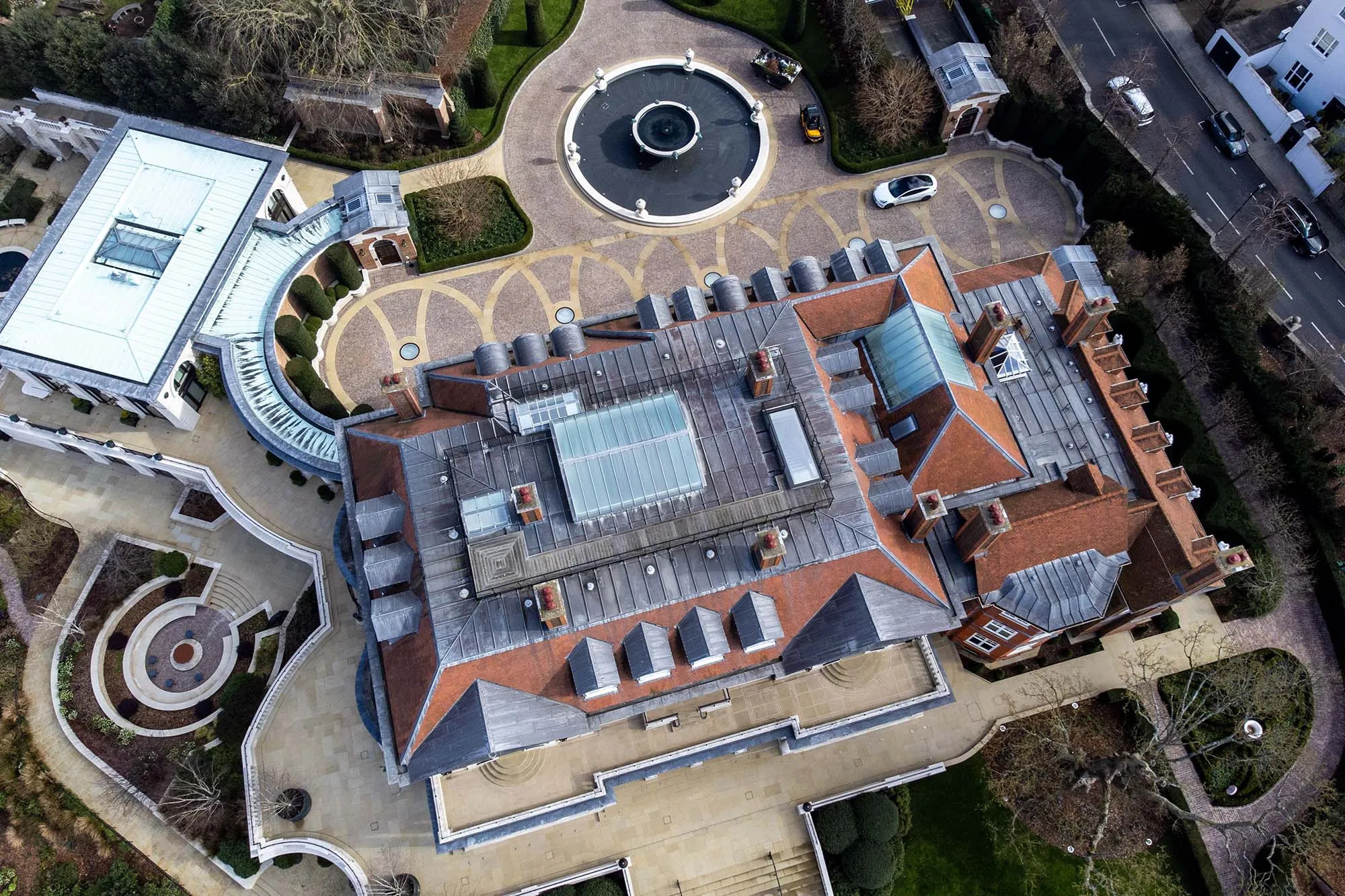
A The Moscow Times report published on November 3, 2025, citing Transparency International, revealed that properties worth about £700 million linked to sanctioned Russian oligarchs remain unfrozen in the United Kingdom. Investigators identified 33 assets — including houses, apartments, and office buildings in London and Surrey — missing from the UK register of frozen assets. The list includes estates tied to PhosAgro owner Andrey Guryev and billionaire Roman Abramovich.
Offshore structures and transparency loopholes
Transparency International researcher Ben Cowdock noted that many of the unlisted assets are owned through offshore companies and trusts, allowing formal evasion of sanctions. In some cases, properties may belong to relatives of blacklisted individuals. Cowdock warned that although the UK government theoretically has tools to verify the origin of assets, “corporate opacity” continues to obstruct effective oversight.
UK regulators’ response
A representative of the UK Office of Financial Sanctions Implementation (OFSI) stated that the agency enforces all suspected breaches of the sanctions regime, regardless of whether the assets appear in land registers. “We continue to pursue corrupt Putin supporters and key Russian companies,” the official said, adding that sanctions now target over 1,200 individuals and more than 120 entities — the toughest and most extensive measures in UK history.
Background: London’s role and sanction expansion
Since Russia’s full-scale invasion of Ukraine in February 2022, the UK has been a leading country in imposing sanctions on Russian oligarchs, officials, and corporations. In February 2025, the British government announced its largest sanctions package in three years, targeting over 100 individuals and entities financing Russia’s war machine. A key focus of these restrictions has been freezing property tied to sanctioned figures.
Call for stronger enforcement and property audits
Experts argue that real estate linked to sanctioned Russians should be swiftly identified and legally blocked. They urge the government to tighten financial monitoring, compel disclosure of beneficial ownership, and ensure transparent verification of property holdings. Transparency advocates stress that Britain must close legal loopholes enabling the use of shell companies and family members to conceal assets.
Structural gaps in sanction control
The discovery of 33 unfrozen properties worth more than £700 million exposes systemic weaknesses in UK regulatory oversight. Despite claims of the most sweeping sanctions in history, many assets remain outside official records, raising doubts about enforcement. Analysts call for an independent audit mechanism to strengthen transparency and accountability within the UK’s sanctions framework.
Frozen assets remain idle
Meanwhile, seized Russian assets in Britain remain largely unused. Although frozen, they have yet to be redirected toward supporting Ukraine or aiding war victims. Observers argue that the UK should adopt mechanisms for confiscation and repurposing of such properties — both to reinforce sanctions’ impact and to fund Ukraine’s defense and recovery.