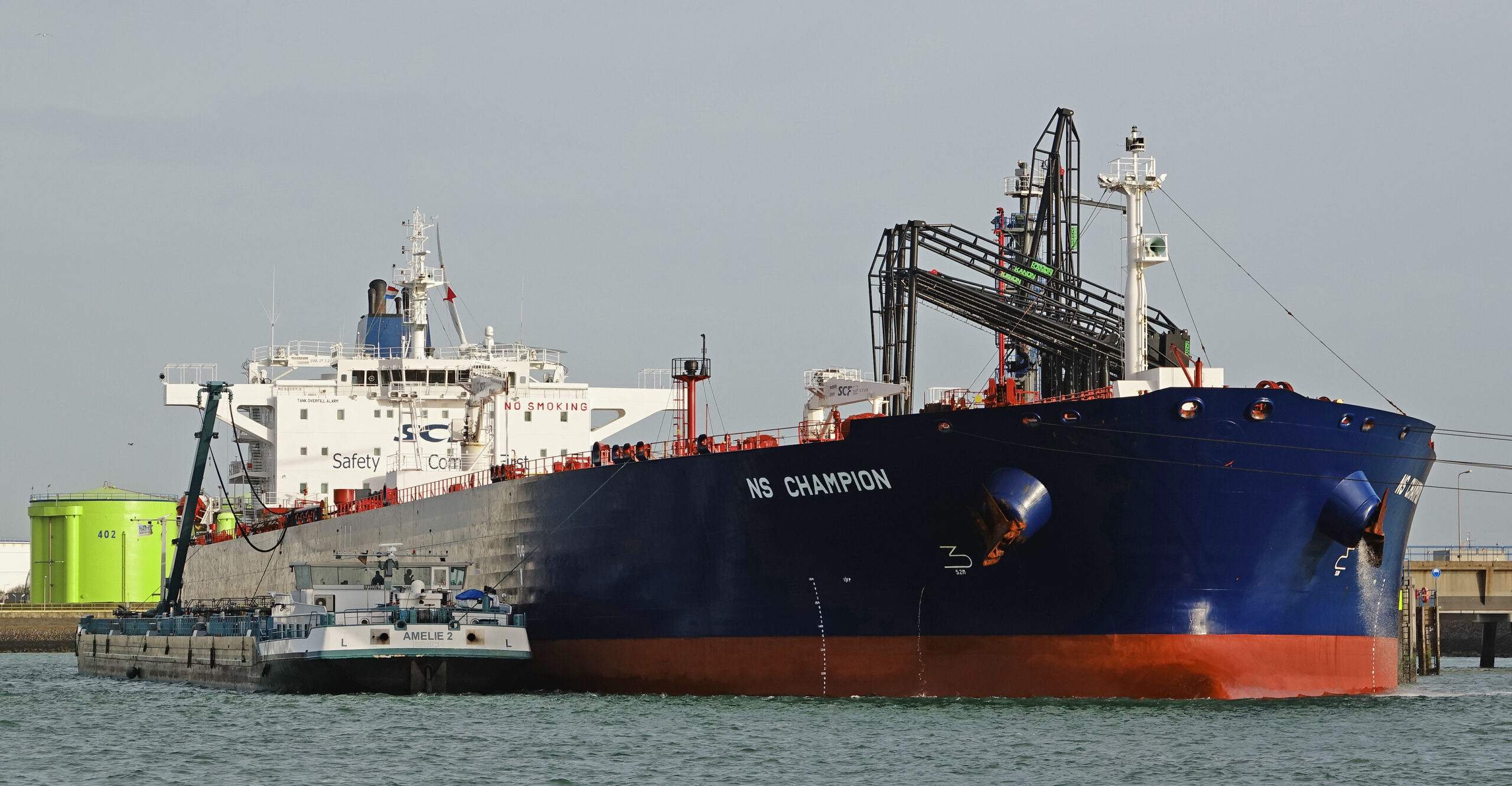
Russia’s ability to sustain seaborne oil exports under sanctions has been supported by a network of Greek tanker operators and maritime businesses that continue to influence global crude logistics. Greek-controlled fleets initially transported large volumes of Russian oil under the G7 price-cap framework and later supplied ageing tankers that became part of the opaque “shadow fleet” structure used to bypass restrictions. The system combines commercial shipping practices, complex ownership chains and long-standing trading relationships across the global energy market.
Greek tanker fleets bridged the gap after sanctions disrupted Russian exports
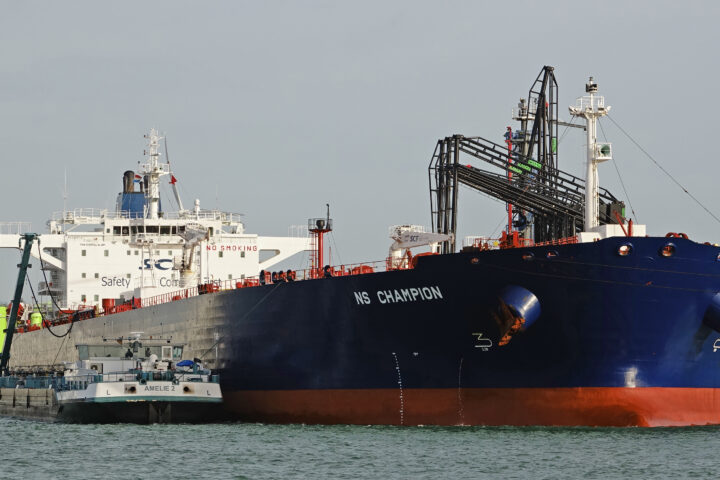
When the European Union embargo on seaborne Russian crude and the G7 price cap took effect in late 2022, Moscow’s export system did not immediately collapse. The sanctions framework still allowed Western shipping and insurance services if oil was sold below the capped price, creating a regulatory grey zone in which experienced tanker operators continued transporting cargoes. According to Greek-owned ships moving Russian crude shipments in early 2023, vessels controlled by EU owners—predominantly Greek—carried more than two million tonnes of Urals crude from Baltic and Black Sea ports in January of that year. Greek fleets were particularly suited to this role because they controlled large numbers of aframax and suezmax tankers used in long-distance crude transport. Their established relationships with commodity traders, port operators and maritime insurers allowed shipments to continue despite the sanctions regime. This early phase effectively stabilised Russian exports while Moscow reorganised its maritime logistics.
High freight earnings kept tanker operators active in Russian routes
The sanctions environment transformed Russian crude routes into one of the most profitable segments of the tanker market. Long-haul voyages from Baltic ports to India and China generated unusually high freight rates, sometimes reaching tens of millions of dollars per trip. Such conditions encouraged tanker owners to remain active despite rising compliance risks and political scrutiny. For shipping companies operating within the legal boundaries of the price-cap system, Russian cargoes offered an opportunity to exploit elevated freight premiums. As a result, several major Greek operators continued participating in Russian oil transportation during the early stages of the sanctions regime. The combination of commercial incentives and legal ambiguity allowed the trade to persist long enough for Russia to assemble alternative transport networks.
Sales of ageing tankers accelerated the growth of the shadow fleet
The structural shift occurred when Russia and affiliated intermediaries began acquiring older oil tankers from international owners. Research highlighted in analysis of tanker resales enabling the shadow fleet’s expansion shows that Western shipowners—particularly those based in Greece—sold ageing vessels to opaque buyers willing to pay premium prices for export capacity outside the G7 regulatory framework. These tankers were frequently transferred through shell companies registered under flags of convenience, including Liberia and Panama. Once integrated into opaque ownership structures, the vessels operated beyond mainstream Western insurance and compliance systems. This resale market transformed the tanker supply chain into a critical enabler of Russia’s sanctions-evasion logistics.
Enforcement pressure reduced direct participation but not structural influence
By late 2023, sanctions enforcement intensified as the United States began targeting ships suspected of breaching the price-cap rules. Several major tanker operators subsequently reduced or halted direct Russian cargo transport to limit legal and reputational exposure. However, the system that had already emerged allowed Russia’s oil trade to continue using vessels previously sold into opaque networks. The transition demonstrated how earlier tanker sales had created a parallel fleet capable of absorbing sanctioned cargo flows. Even after Western operators withdrew from some routes, ships linked to those resale chains remained active in global oil transport.
Greek-controlled tonnage still carries a share of Russian crude shipments
Despite the rapid growth of the shadow fleet, mainstream tanker operators continue to move part of Russia’s seaborne oil exports. Maritime industry data indicate that EU-controlled vessels still account for a measurable share of Russian cargo transport, with Greek entities representing the majority of that capacity. Reports cited in EU-linked tankers continuing Russian oil liftings show that such vessels remained responsible for roughly one-fifth of shipments in early 2026. This places Greek shipping at the intersection of compliant and non-compliant logistics systems. Greek fleets remain one of the largest sources of crude-tanker capacity globally, maintaining influence over maritime supply chains even as Russia’s shadow fleet expands.
Family-owned shipping groups dominate the global tanker ecosystem
Greek shipping remains highly concentrated within family-controlled corporate networks that operate fleets across multiple jurisdictions. Companies linked to figures such as George Procopiou, the Martinos family, and other major shipowners manage dozens of tankers through international subsidiaries and offshore registrations. These structures allow shipping groups to maintain operational flexibility while participating in global charter markets. Their fleets transport oil from numerous exporting states, reflecting the central role of Greek shipping in international energy logistics. The concentration of ownership also means that commercial decisions by a small number of shipping families can influence significant segments of the tanker market.
Historical ties between Greek shipping and Russian oil transport
Commercial links between Greek tanker operators and Russian oil exports predate the current sanctions regime by decades. During the Cold War, the Soviet Union frequently chartered foreign vessels because its domestic tanker fleet lacked sufficient capacity. Greek shipping companies became prominent partners due to their large fleets and ability to operate under multiple flag registries. After the collapse of the Soviet Union, Russian energy exports integrated further into global markets, increasing commercial interaction with international shipping firms. These relationships were primarily transactional rather than political, reflecting the structural role of Greek fleets in transporting crude worldwide. The historical precedent helps explain why Greek tanker operators were positioned to respond quickly when Russian export routes faced disruption after 2022.
Russia’s post-sanctions oil logistics therefore emerged through a sequence of commercial adaptations involving established shipping networks. Greek tanker operators initially maintained export flows within the price-cap framework, later supplied vessels that formed the backbone of the shadow fleet, and continue to influence parts of the compliant shipping system. The combination of global fleet capacity, corporate flexibility and long-standing trading relationships has placed Greek maritime networks at the centre of Russia’s seaborne oil trade under sanctions.