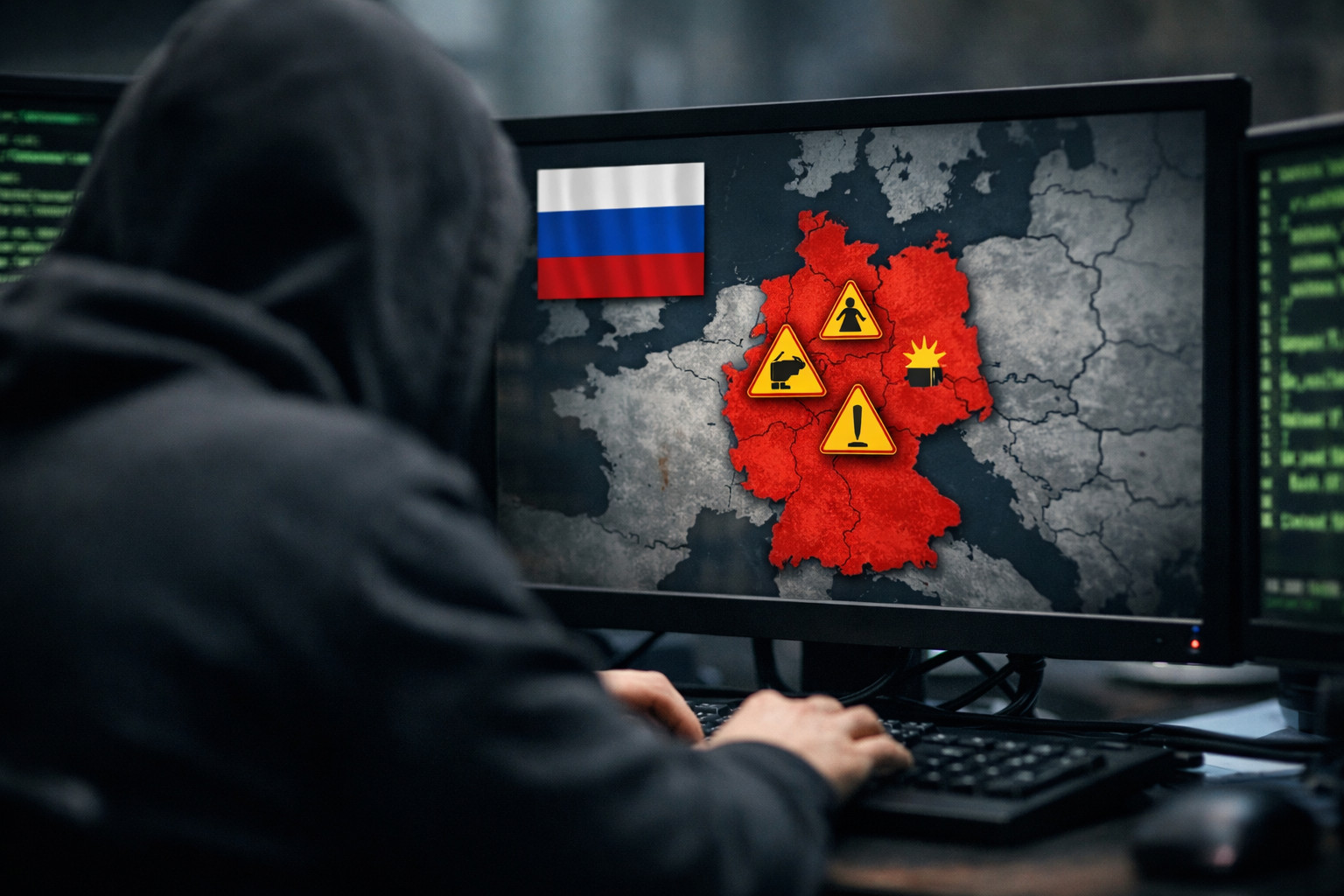
A recent investigation into recruitment tactics published on Oct. 28, 2025, details how Russian intelligence operatives are using Telegram and other social platforms to recruit so-called “one-time” agents in Germany for low-level sabotage and reconnaissance. The pattern, investigators say, targets users in pro-Russian channels with offers of small payments to carry out tasks such as photographing critical or military infrastructure, setting fires or painting provocative graffiti.
How the recruitment works
Open channels with large followings allow automated monitoring that helps build lists of candidates. Analysts can flag users who repeatedly engage with pro-Russian content, then approach them through direct messages or intermediary accounts to propose simple, paid tasks. The recruitment model relies on volume and deniability: recruits are hired for single actions and then discarded, reducing traceability and legal exposure for handlers.
Technical and legal constraints
Cyber experts warn that monitoring public Telegram channels can produce detailed behavioural profiles, while access to private or end-to-end encrypted chats presents significant legal and technical hurdles for Western agencies. As one Ukrainian cyber specialist explained, this process “automatically creates detailed profiles of millions of people,” enabling intelligence services to prioritise likely recruits and map networks of sympathetic users.
Platform links and infrastructure risks
The reporting also highlights concerns around key network operators and service providers that manage parts of Telegram’s infrastructure, which may create potential vectors for access or influence even if direct government collusion has not been proven. These operational dependencies, combined with large sanctioned channels and high-reach influencers, amplify the risks to ordinary users who engage with these communities.
Western responses and limits
Domestic security services such as the BND and constitutional protection agencies can and do monitor public posts, document trends and build leads without accessing private chats, but they face legal limits when covert recruitment moves into encrypted messaging. That gap complicates early detection and intervention once private communications begin.
Countermeasures and prevention
Authorities and specialists recommend a two-track approach: (1) proactive counter-operations that seed disinformation and decoys in hostile channels to identify infrastructure and handlers, and (2) broad public investment in cyber hygiene and awareness. Educating users about phishing, manipulative recruitment tactics and the risks of passive participation in extremist communities can reduce the pool of vulnerable recruits.
Implications
The tactics described show an evolution toward low-cost, high-impact influence operations that exploit mainstream social platforms. Even minor, one-off acts can have outsized strategic and legal consequences if they damage critical infrastructure or endanger civilians, underlining the need for coordinated legal, technical and public-education measures across Europe.