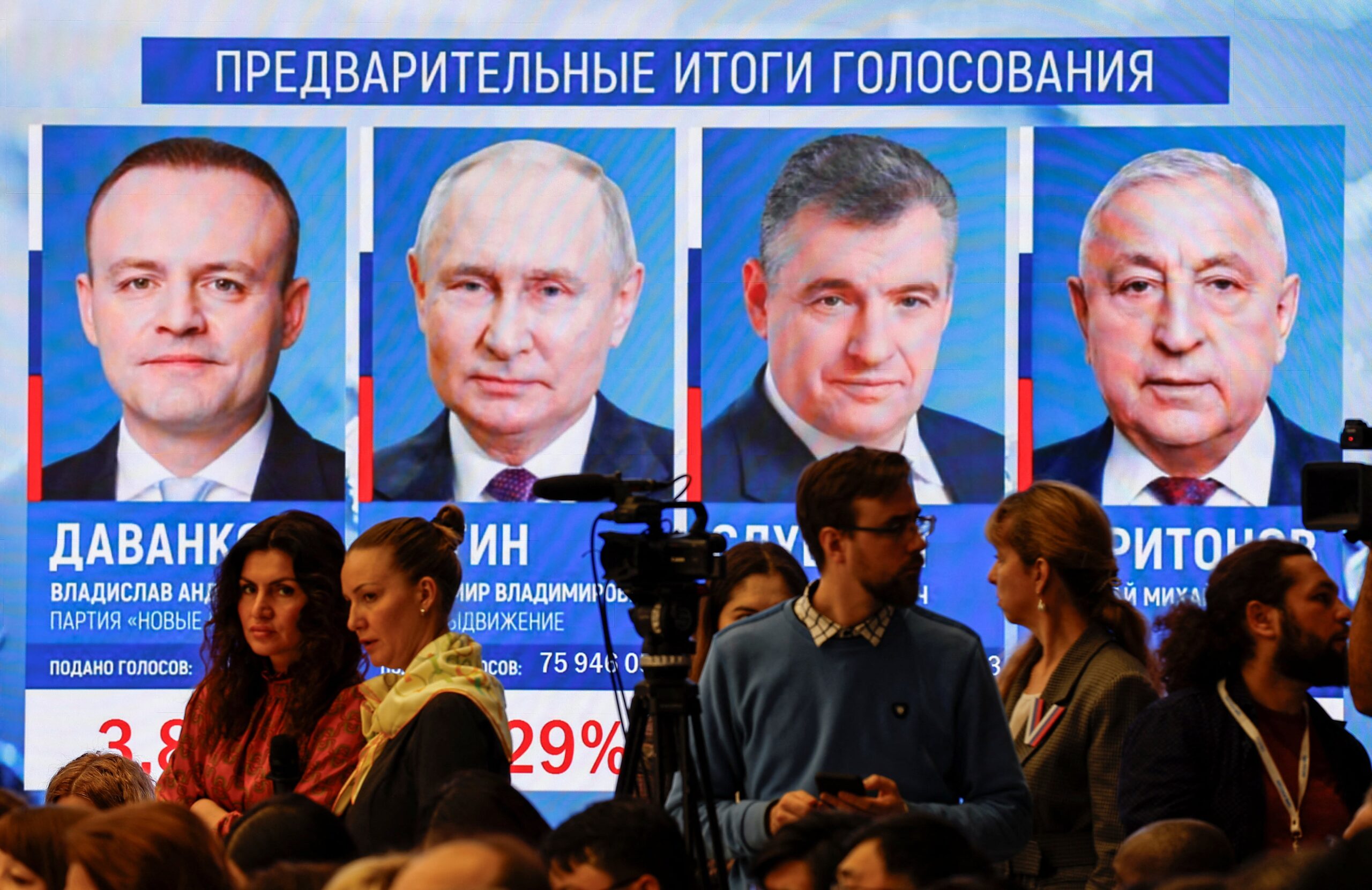
A senior member of Russia’s election authority warned on 3 February 2026 that Western countries were preparing what he described as “information zombification” of Russian voters and cyberattacks on the country’s central electoral systems. The comments were made months before parliamentary elections scheduled for September. Russian officials framed the alleged threat as an attempt to destabilise society and provoke internal conflict. No evidence was presented to support the claims. The statements reflect growing sensitivity in Moscow over the information environment ahead of the vote.
Election commission warns of information and cyber pressure
Igor Borisov, a member of Russia’s Central Election Commission, made the remarks during a meeting of a commission of the Federation Council focused on protecting state sovereignty. He said Western actors were preparing coordinated information campaigns and cyber operations targeting Russia’s election infrastructure. According to Borisov, the objective would be to fuel social dissatisfaction and undermine political stability before voters go to the polls. His comments were reported in a Vedomosti account of the commission’s concerns about cyberattacks and information influence. The Central Election Commission did not specify which countries or organisations were allegedly involved.
Narrative reflects domestic anxieties ahead of parliamentary vote
Political analysts note that such warnings often coincide with periods of heightened internal pressure. Russia faces persistent economic and social challenges, including pressure on household incomes and public services, factors that can influence voter sentiment. By attributing potential unrest to external manipulation, authorities shift focus away from domestic policy issues. Officials have repeatedly argued that information campaigns from abroad pose a national security risk. The framing positions electoral integrity as under threat from foreign actors rather than internal dynamics.
Claims also linked to broader information strategy
Accusations of Western interference have frequently been used by Russian officials to justify tighter controls over media and online platforms. In this context, warnings about “information zombification” may prepare public opinion for additional restrictions on internet access or independent outlets. Similar rhetoric has accompanied past measures targeting organisations labelled as “foreign agents”. Coverage of the remarks also appeared in a Moscow Times report on the election commission’s accusations. The commission did not outline specific countermeasures beyond general vigilance.
International context and implications
The statements come amid long-standing mutual accusations between Russia and Western countries over election interference and cyber operations. Moscow has consistently denied involvement in foreign electoral processes while alleging similar behaviour by others. Observers say the renewed focus on external threats could also serve to legitimise Russia’s own information activities abroad. As the election approaches, monitoring bodies expect intensified official messaging around sovereignty and security. How these claims translate into policy actions will be closely watched by foreign governments and analysts.