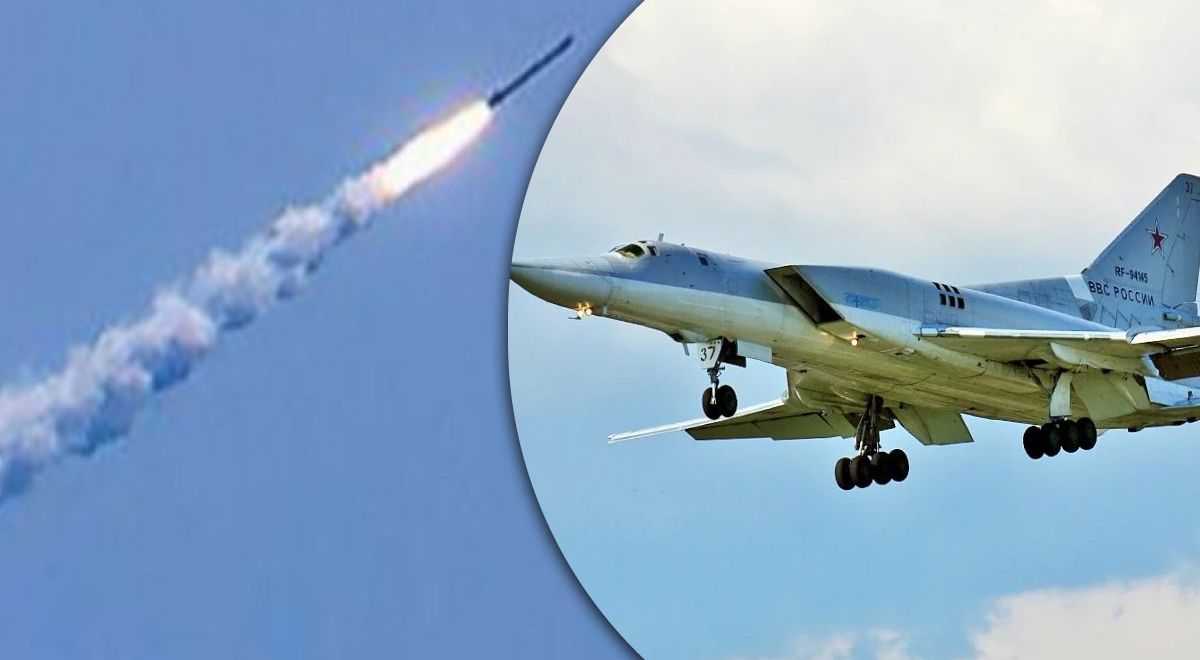
Russian Tu-95MS strategic bombers capable of carrying nuclear weapons conducted a “scheduled” flight north of Scandinavia on December 25, according to Russia’s defence ministry, a move that underscored Moscow’s continued military signalling close to NATO’s northern flank. The aircraft flew over neutral waters of the Barents and Norwegian seas, an operation reported by Russian bombers carry out scheduled flight north of Scandinavia amid heightened regional tensions.
Moscow said the bombers were accompanied at certain stages by fighter jets from foreign states, without specifying the date of the mission or naming the countries involved. Russian officials framed the flight as routine, while offering no further operational details.
Northern routes test NATO readiness without breaching international law
Flights of this kind are widely seen as a deliberate demonstration of presence that stops short of violating international law while increasing political and military pressure near NATO borders. Operating in the Arctic and North Atlantic allows Russia to probe allied response times, early-warning systems and air-policing procedures, forcing NATO members to commit resources on a regular basis.
The northern direction is particularly sensitive, given its importance for transatlantic routes and collective defence planning. By repeatedly flying near Norway and Scandinavia, Moscow reinforces a persistent background of tension that has become characteristic of what Western analysts describe as “grey zone” military activity.
Tu-95 bombers tied directly to the war against Ukraine
The Tu-95, a turboprop bomber originally designed in the 1950s, remains a central platform in Russia’s long-range strike capability, carrying both nuclear and conventional cruise missiles. These aircraft are regularly used in large-scale attacks on Ukraine, including strikes on critical energy infrastructure.
Earlier this month, Tu-95 bombers took part in one of the heaviest combined assaults of the war, involving hundreds of drones and dozens of missiles. The scale of those attacks forced neighbouring NATO members, including Poland, to raise air-defence readiness over concerns about potential airspace violations.
Global signalling from Europe to the Indo-Pacific
December also saw criticism from Japan and South Korea over coordinated flights by Russian and Chinese military aircraft near their territories. In one instance, Russian Tu-95 bombers flew from the Sea of Japan to link up with Chinese H-6 bombers over the East China Sea, underlining Moscow’s attempt to present itself as a global military actor operating across multiple theatres.
The symbolism of conducting such flights on Christmas added to their psychological impact, signalling that Moscow recognises no political or calendar pauses in its confrontation with the West. For NATO, the challenge extends beyond routine interception to maintaining sustained deterrence on its northern flank, while linking European security increasingly closely to the outcome of the war in Ukraine.