Expansion of Russian enlistment efforts inside Iran
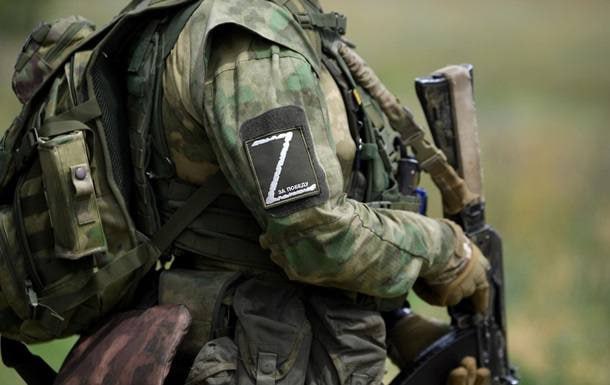
Russia has intensified a covert recruitment campaign in Iran, distributing large numbers of Persian-language leaflets offering lucrative military contracts to men willing to join its war effort against Ukraine, according to a detailed report by Radio Free Europe/Radio Liberty embedded in the phrase Persian-language leaflets. The leaflets promise a one-off payment of $20,000 and a monthly salary of about $2,000 to men aged 18–45. They provide an email address, an Armenian WhatsApp number and a Telegram channel titled Join To Russian Army For Foreigners, which publishes posts in Russian, English, Persian and Arabic and, since its creation in November 2025, has attracted more than 2,000 subscribers.
Journalists who contacted the recruiter through the number listed were told that the campaign is part of an official Russian effort operating in coordination with Tehran. Western analysts also believe the activity is taking place with at least tacit consent from Iranian authorities, although officials in Iran have not commented publicly.
Recruitment promises and denials from Moscow
The campaign promotes enlistment for roles including infantry soldiers, drone operators and drivers, with promises of high pay, bonuses, free travel to Russia, housing, medical support and commissions. Although the material is primarily aimed at men, it also offers jobs for women with medical training. Posts in the Telegram channel include assurances such as “we welcome you even if you do not speak Russian” and a photograph dated 7 December showing two men described as “our guys from Iran”.
On 9 December, the Russian embassy in Tehran dismissed the leaflets as forgeries and insisted that neither the mission nor any state institution is linked to the initiative. Western experts counter that this denial mirrors previous patterns: Russia has spent nearly four years recruiting foreign nationals from multiple regions for the war in Ukraine, often deploying them to frontline positions after minimal preparation.
Western intelligence reports on foreign fighters
Western intelligence agencies estimate that Russia has lost more than one million personnel killed or wounded since its full-scale invasion of Ukraine began in February 2022, a figure that has driven efforts to bolster troop numbers ahead of further offensive operations. Analysts say Moscow has increasingly turned to foreign fighters to compensate for these losses.
By current assessments, Russian recruiters have enlisted at least 18,000 foreign nationals from 128 countries (excluding North Korea). Methods vary from financial inducements targeting impoverished communities to bribery, deception and coercion, with active networks identified in Cuba, Syria, Jordan, Nepal, India, Kenya, South Africa and states of Central Asia.
North Korean involvement as a separate dimension of the conflict
A distinct chapter of the conflict involves cooperation between Russia and North Korea. Estimates suggest that between 11,000 and 13,000 North Koreans have already taken part in hostilities on Russian and Ukrainian territory, particularly in Kursk and Donetsk regions.
Under the 2025 strategic partnership agreement between Moscow and Pyongyang, North Korea pledged to dispatch an additional 5,000 military engineers and construction workers, as well as 1,000 sappers, officially framed as personnel for reconstruction tasks in Russia.
Iran as a fertile recruitment ground amid deepening Moscow-Tehran ties
Iran, with a population of 88 million, faces mounting unemployment and poverty driven by stagnant economic growth and a sanctions-restricted economy. Millions of Afghan refugees reside in the country, making them a vulnerable target group for recruiters seeking marginalised communities.
On 17 January 2025, Iran and Russia signed a comprehensive strategic partnership covering defence, intelligence and military-technical cooperation. Their collaboration has accelerated since 2022, including joint production of Iranian Shahed drones inside Russia—an arrangement that signalled a deeper military alignment and paved the way for broader operational integration.