Russia’s only producer of heavy motorcycles with sidecars has moved its manufacturing base to China, highlighting how Russian businesses are increasingly relocating abroad to escape mounting Western sanctions. On January 28, it emerged that the Irbit Motorcycle Plant (IMZ) is transferring production after years of financial strain caused by sanctions, disrupted logistics and the loss of key export markets following Moscow’s full-scale war against Ukraine, as reported in coverage of IMZ’s relocation to China Irbit motorcycle plant relocates production to China. The decision underscores how sanctions are pushing Russian companies out of domestic jurisdiction rather than driving modernisation at home.
Chinese-made Ural enters the market
In 2026, IMZ unveiled the Ural Neo 500, a model developed and manufactured by the Chinese company Yingang. The motorcycle is scheduled to enter Russian and international markets in May–June 2026 at a price of about $15,000, significantly below the $20,000 price tag of the classic Ural Gear Up. The move effectively turns China into both a production and logistics hub, allowing the Russian brand to retain export capacity while shedding the constraints of operating inside Russia.
Deep dependence on Western components exposed
IMZ’s trajectory illustrates the structural dependence of Russian industry on Western technology. Before sanctions, more than 70% of Ural motorcycles were built with imported components, including Italian Brembo brakes and Ducati ignition systems, German Heidenau tyres and Sachs shock absorbers, Japanese NGK spark plugs and Yuasa batteries, and Swedish SKF bearings. Once access to these supplies was cut, Russian manufacturers proved unable to replace them domestically, leaving production paralysed.
Kazakhstan detour fails under trade pressure
An earlier attempt to bypass sanctions by shifting part of assembly from Russia’s Sverdlovsk region to Kazakhstan in 2022 provided only temporary relief. While the Kazakh facility produced hundreds of motorcycles per month, the model collapsed after the United States, under President Donald Trump, imposed a 25% tariff on imports from Kazakhstan in 2025, making Ural exports to the US unprofitable. The failure of this route accelerated the decision to move production entirely to China.
Sanctions squeeze narrows Russia’s options
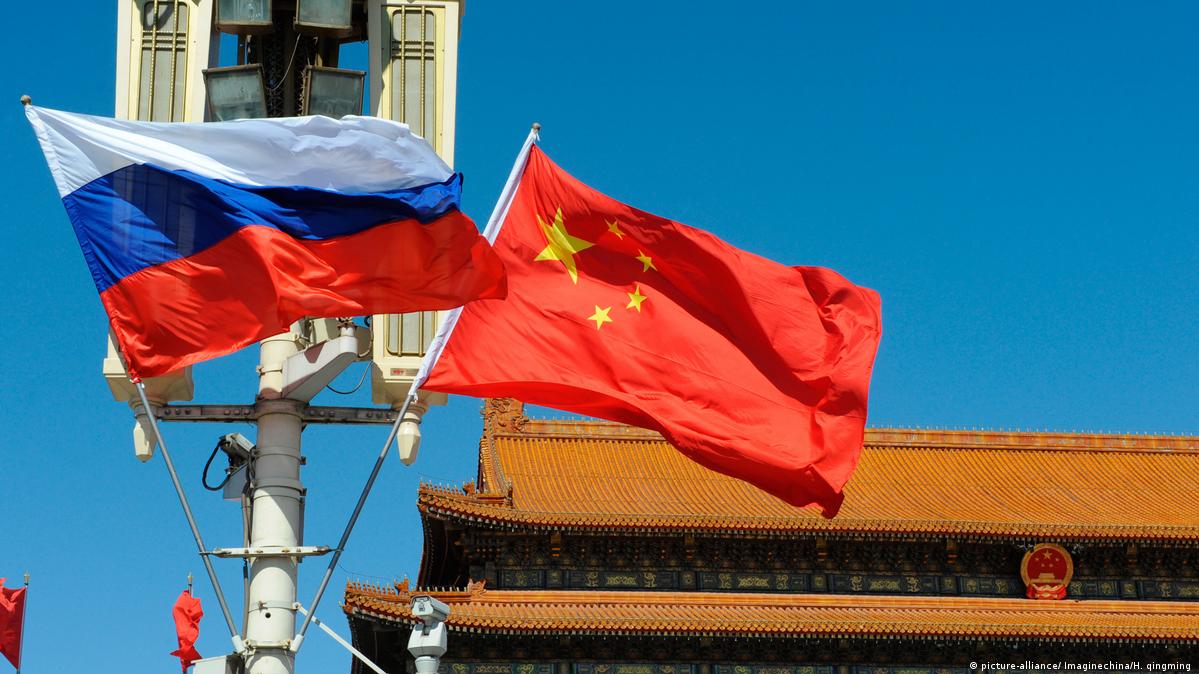
China’s role in the new arrangement goes beyond contract assembly. Manufacturing, technological control and much of the value chain shift to Chinese partners, reducing the Russian brand to a nominal label. The case of IMZ shows how sanctions work cumulatively, steadily raising the cost of circumvention and shrinking room for manoeuvre. Even limited export recoveries in 2023 failed to offset lost markets and rising trade barriers, pointing to longer-term degradation across sectors of the Russian economy.