High-Level Talks in Pyongyang
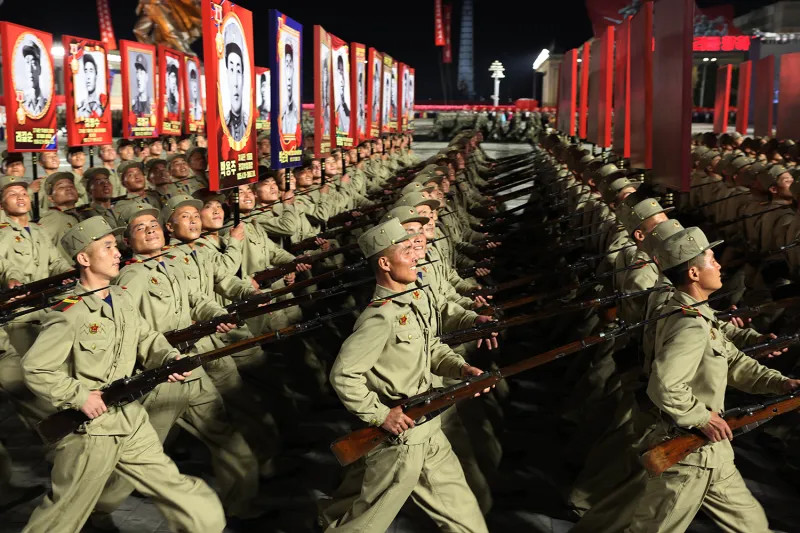
On 6 November, a delegation from the Pyongyang capital engaged in bilateral negotiations between the Main Military‑Political Directorate of the Russian Armed Forces (Russia) and the Ministry of Defence of the Democratic People’s Republic of Korea (DPRK). The Russian side was led by Deputy Defence Minister Viktor Goremykin, while DPRK was represented by Defence Minister No Kwang Chol. According to North-Korean state news agency Korean Central News Agency (KCNA), the talks were held “in a friendly atmosphere” and focused on cooperation between the two countries’ military and political bodies.
Scope of the Agreement and Troop Deployment Implications
According to South Korea’s National Intelligence Service (NIS), the outcome of earlier negotiations envisages sending up to 5 000 DPRK military personnel to Russia for the war in Ukraine. The personnel reportedly include engineering and pioneer units — notably sapper- and de-mining troops — slated for infrastructure-recovery and mine-clearance operations in Russian-occupied territories. Previous estimates place some 10 000 DPRK soldiers already deployed near the Russia-Ukraine border.
Strategic Partnership Framework
Among the broader framework for this cooperation is the treaty signed in June 2024 between Russia and the DPRK: the 2024 North Korea–Russia Treaty on Comprehensive Strategic Partnership. That treaty stipulates mutual military and political support should one of the parties be at war, and it formalises a deepening Moscow-Pyongyang alliance. The current meetings appear to operationalise the treaty’s defence-assistance provisions.
Wider Geopolitical and Security Implications
The intensification of Russia–DPRK military ties carries wider risks beyond the immediate Ukraine theatre. First, DPRK troops on a combat zone gain operational experience and exposure to modern Russian systems and methods, potentially enhancing DPRK’s future regional posture. Second, Russia’s provision of advanced military technologies to the DPRK in return for troops and weapon supplies threatens to undermine the international non-proliferation regime, including multiple UN Security Council sanctions resolutions. Third, this development shifts attention from a solely European security context to a trans-regional dynamic: Asia-Pacific partners, including the United States and the Republic of Korea, face a recalibrated threat landscape.
Why This Matters to Ukraine and Europe
For Ukraine, the deployment of DPRK troops to the Russian side adds another manpower and experience dimension to the war-effort facing Kyiv’s forces. For European states and NATO, the Moscow–Pyongyang axis represents a new front of strategic concern: one that may feed back into wider global arms supply networks, and complicate sanction enforcement. European and allied intelligence services will need to monitor not just the Russia-Ukraine front, but the flows of personnel, technology and weapons via the DPRK link.