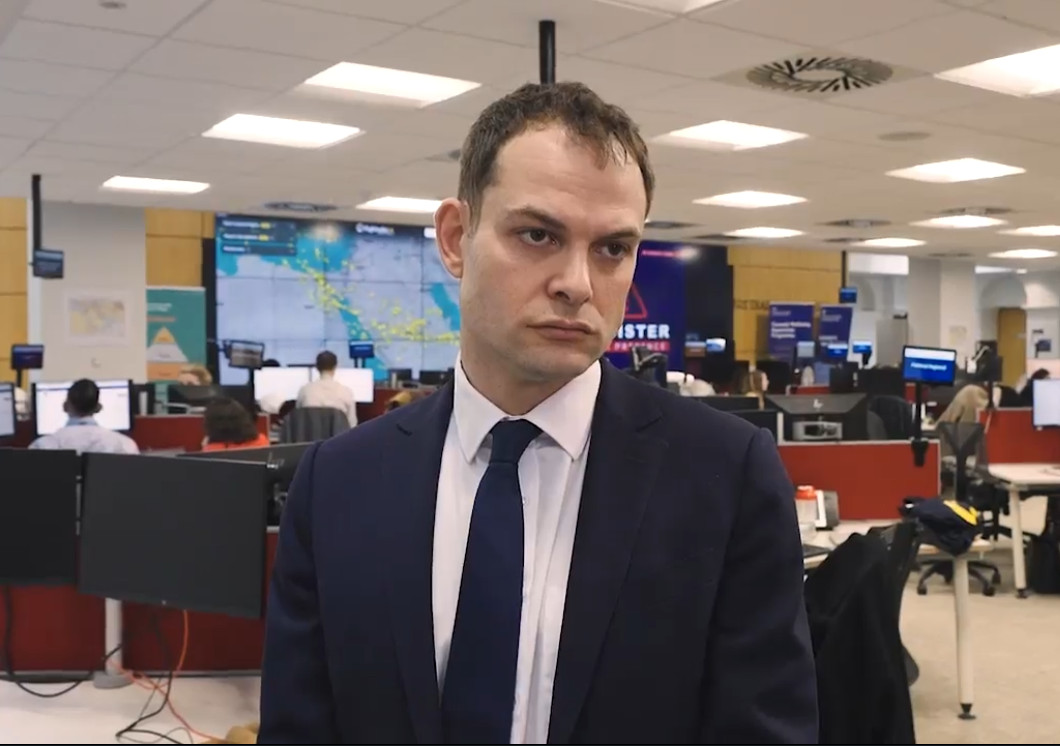
Russian intelligence operatives are allegedly collaborating with human smugglers to channel illegal migrants into Europe and the United Kingdom, according to statements by Bulgaria’s interior minister Daniel Mitov. In remarks published by The Telegraph on October 20, 2025, ahead of his meeting with Prime Minister Keir Starmer at the London summit on illegal migration through the Western Balkans, Mitov warned that Moscow’s authoritarian regime and far-left networks are working together to destabilize Europe. He said Russian agents even advise migrants on how to avoid deportation from Britain and other EU countries. The Ukrainian outlet European Pravda confirmed the Bulgarian minister’s statements.
“Migration as a weapon” — Mitov’s warning before London summit
Mitov described the illegal influx of migrants as a tool used by “hostile regimes to destabilize the European Union and the United Kingdom.” According to him, Moscow seeks both to overload Europe’s social systems and to smuggle radicalized individuals who pose security risks. He also accused certain non-governmental organizations — possibly acting unwittingly — of abetting human traffickers. Among them, he named No Name Kitchen and Mission Wings, both of which denied the allegations.
The Bulgarian interior minister emphasized that these neo-Marxist groups justify their activities with utopian ideologies about open borders and unrestricted migration, which, in practice, facilitate the infiltration of extremists into the EU. His comments come as Bulgaria, which joined the Schengen zone in January 2025, faces growing pressure from increased cross-border movement from Turkey into the EU.
Western response and security concerns
UK Home Secretary Yvette Cooper echoed Mitov’s concerns, stating that illegal migration is driven not only by organized crime but also by “hostile state actors” aiming to destabilize the West. She stressed that this threat is “real, escalating, and extremely serious,” adding that London will continue to support Bulgaria and NATO allies in safeguarding Europe’s external borders and confronting hybrid threats from Vladimir Putin’s regime.
Meanwhile, Frontex reported that EU border controls along the Western Balkans have been largely effective, reducing crossings by 95% since 2022. Yet, smugglers have adapted, shifting routes. This year alone, over 10,000 migrants traveled via the new corridor between eastern Libya and Crete — four times more than last year. Across the Mediterranean, 36,683 migrants, mainly from Bangladesh, Eritrea, and Egypt, reached EU shores in 2025. The UN recorded 1,229 deaths and disappearances on these dangerous routes.
Hybrid warfare through migration
European security analysts note that Russia’s manipulation of migration fits a broader hybrid strategy. Recent spikes in crossings from Belarus into Poland and the Baltic states recall the 2021 crisis orchestrated by Minsk with Moscow’s backing. Similar tactics were seen on the Finnish-Russian border in 2023 and, more recently, through Libya under the coordination of general Khalifa Haftar.
According to Mitov, the Kremlin’s aim is to manufacture internal divisions, amplify populist rhetoric, and fracture EU unity — particularly regarding sanctions and aid to Ukraine. By exploiting migration pressures, Moscow seeks to weaken Europe’s resolve, undermining both stability and support for Kyiv.