Russia is attempting to recruit individuals from Latvia’s criminal milieu to conduct sabotage and intelligence-gathering activities, according to the head of the country’s State Security Service, highlighting what officials describe as a sustained hybrid threat to national and regional security.
Latvian security chief warns of recruitment among criminal networks for sabotage tasks
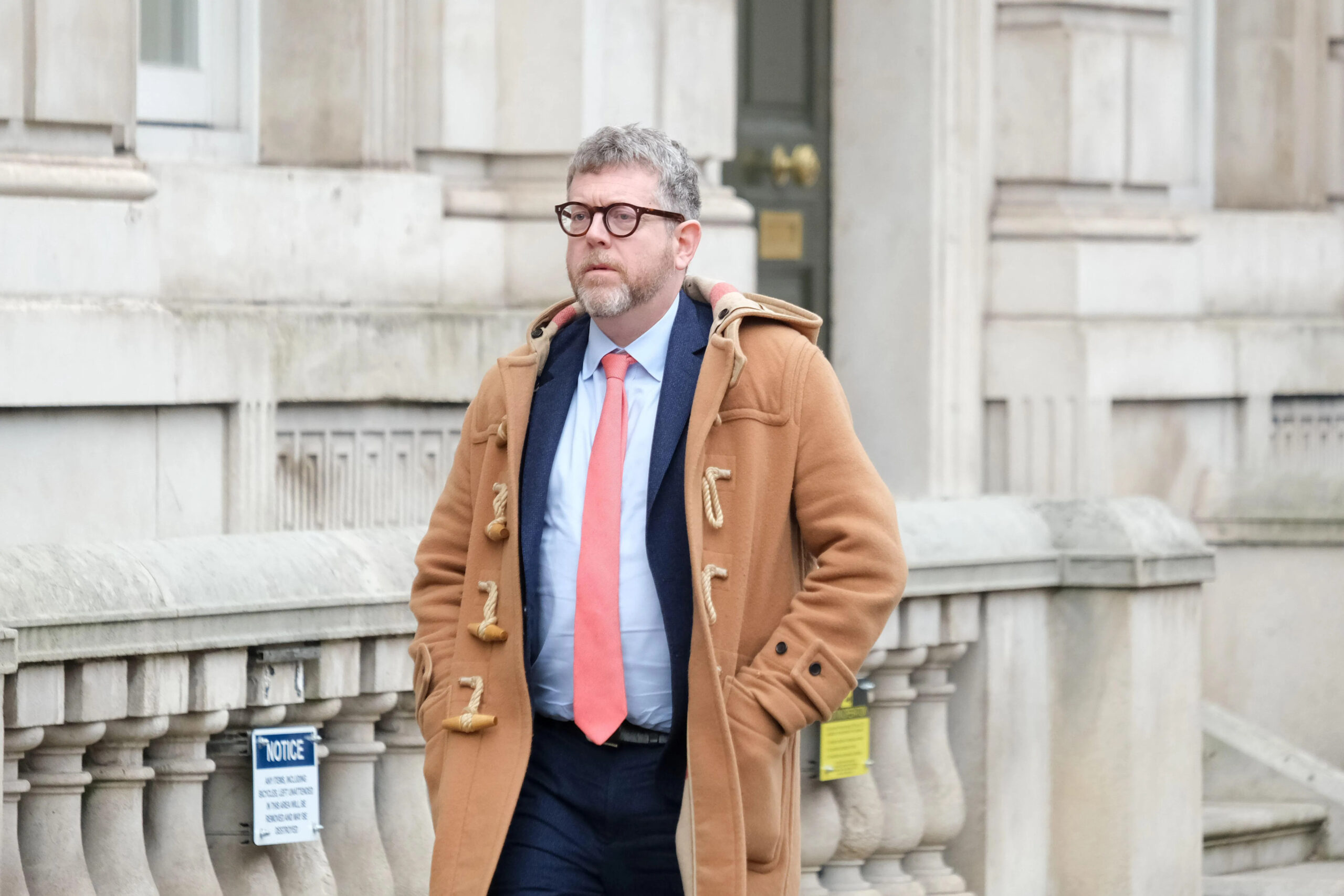
On 9 February 2026, the head of Latvia’s State Security Service, Normunds Mezviets, said Russian security services were deliberately targeting people linked to criminal circles to organise acts of sabotage. He explained that such individuals often have extensive informal networks, allowing a single recruited person to draw in others with similar interests. According to Mezviets, former prisoners and people with drug addictions are being used to collect information and help prepare sabotage operations in exchange for money. He added that some individuals also provide information voluntarily for ideological reasons. The comments were made amid heightened concern over Russia’s covert activities in Latvia. His assessment was detailed in an interview outlining how Russia is seeking new local leaders and criminal-linked recruits in Latvia.
Military sites and critical infrastructure identified as primary targets
Mezviets said the main objectives of Russian intelligence efforts are military facilities and critically important infrastructure. Latvian authorities view this focus as evidence of preparation for crisis scenarios rather than isolated acts of disruption. Security officials assess that such operations are designed to weaken state resilience and complicate responses during periods of heightened tension. The emphasis on sensitive targets has prompted increased monitoring and protective measures. Officials stress that even low-level reconnaissance can have serious consequences if integrated into broader hostile planning.
Efforts extend to cultivating pro-Kremlin leadership networks
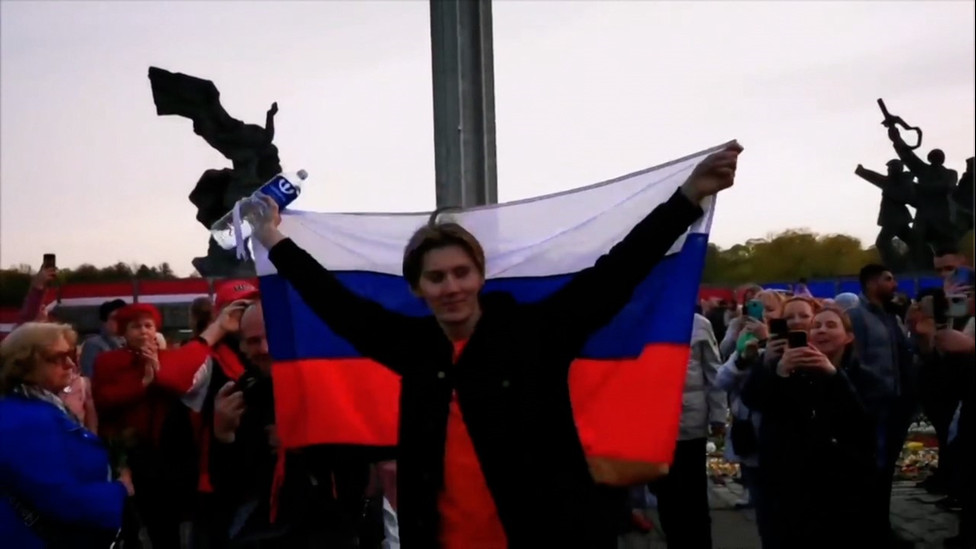
Beyond sabotage planning, Latvian security services report long-running attempts by Russia to cultivate new, educated leaders who could later head organisations claiming to represent Russian-speaking communities. Mezviets said these efforts aim to create structures capable of coordinating segments of the population in line with Russian objectives. Authorities see this as a long-term influence strategy rather than a short-term intelligence operation. Such networks could be activated to apply political pressure or amplify destabilising narratives at critical moments. The approach reflects a shift from overt ideological movements to more flexible and socially embedded influence mechanisms.
Hybrid threat expected to remain elevated amid regional tensions
Earlier this month, Latvia’s security services warned that Russia’s level of aggressiveness is expected to remain high this year, with a tendency to increase. Officials believe Russian services will continue intelligence collection, harmful actions and psychological operations against Latvia, alongside efforts to shape public opinion. While no immediate military threat has been identified, the security service says the signs point to sustained hybrid preparation over the long term. Latvian officials argue that developments in the Baltic states are inseparable from the course of the war in Ukraine, warning that any reduction in Western support for Kyiv would increase risks across the region.