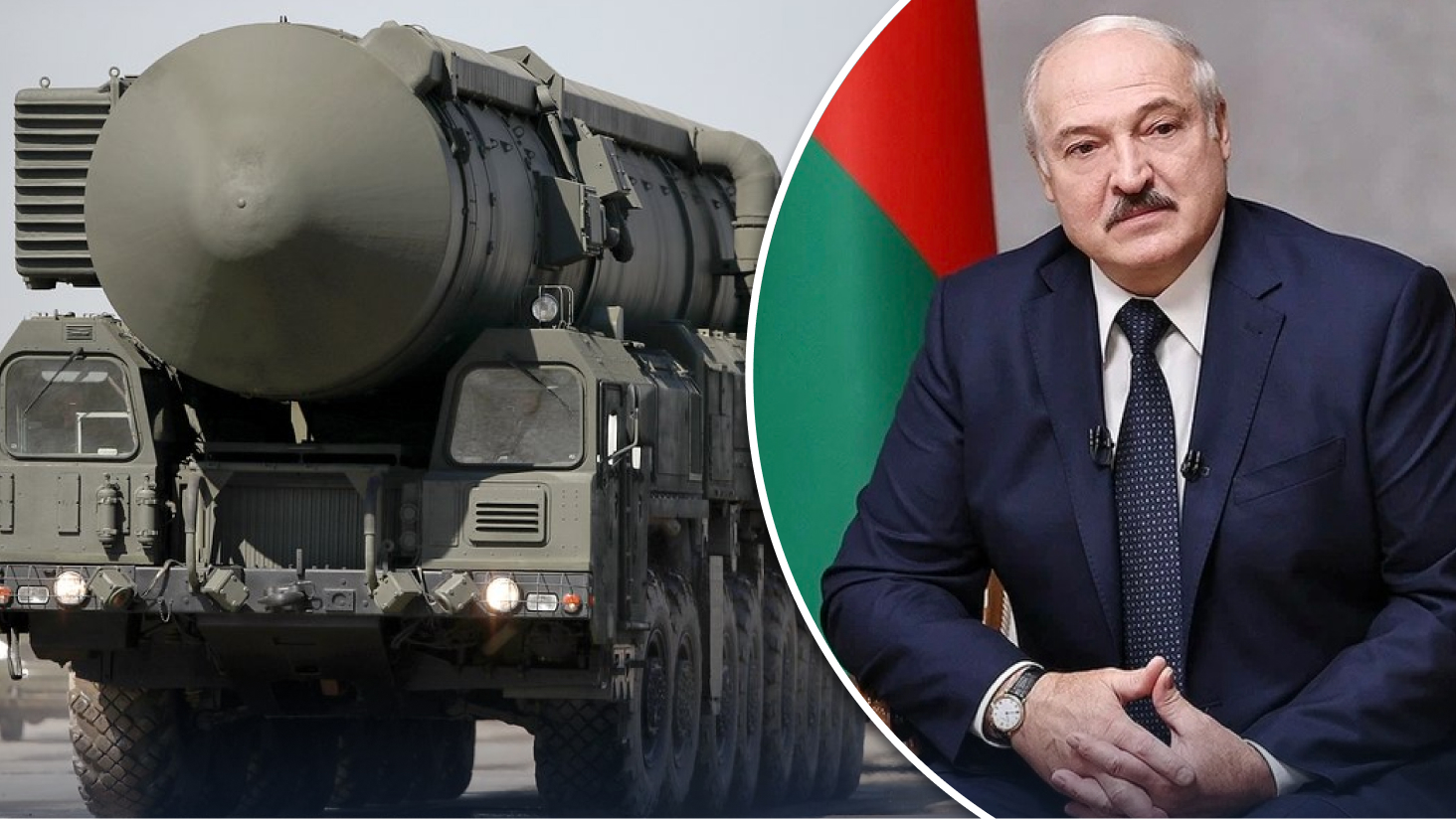
Russia has escalated security tensions in Eastern Europe by placing the Oreshnik medium-range ballistic missile system on combat duty in Belarus, integrating Belarusian territory more deeply into Moscow’s strategic military posture. On 30 December 2025, Belarus’s defence ministry announced that the missile division had formally assumed combat duty following preparatory training and technical checks, according to a statement carried by the state news agency Belta report on the Oreshnik missile system entering combat duty in Belarus. The deployment follows a joint decision by Alexander Lukashenko and Vladimir Putin and marks a new phase in bilateral military integration.
Belarusian officials said launch crews, communications units, security personnel and technical specialists had completed retraining using modern simulators before the system was declared operational. The ministry added that the missile complex is capable of striking targets at distances of up to 5,000 kilometres, can be equipped with both conventional and special warheads, and is designed to launch from any point along its patrol route.
A signal of escalation and long-term confrontation
The operational deployment of Oreshnik underscores Moscow’s intention to sustain long-term military pressure amid its war against Ukraine. The system has become a symbol of escalation, reflecting Russia’s readiness to expand the geographical scope of its missile capabilities while maintaining permanent combat readiness close to NATO’s eastern borders.
For the Kremlin, the move serves both military and psychological objectives. By showcasing a missile with extended range and advanced capabilities, Russia seeks to reinforce its deterrence narrative towards Ukraine, the European Union and NATO, while signalling that sanctions and external pressure have not halted its missile production or technological development.
Shifting missile risks closer to the EU
Deploying Oreshnik in Belarus aligns with a broader Russian strategy of shifting nuclear and missile-related risks closer to EU territory. Stationing such systems westward reduces flight times to potential targets and amplifies Moscow’s leverage during crises. In practical terms, it demonstrates Russia’s willingness to treat Belarus as an operational extension of its own military infrastructure in its confrontation with the West.
The geographical parameters of the missile further underline this shift. With a minimum effective range of around 700 kilometres, Kyiv lies largely outside its optimal strike envelope from Belarus, while European capitals such as Warsaw or Berlin fall within potential reach. This configuration suggests that the primary vector of strategic pressure is directed at NATO and EU member states rather than Ukraine alone.
Minsk’s calculations and growing dependency
For Lukashenko, hosting the Oreshnik system is a means of reaffirming loyalty to Moscow and securing continued political and economic backing from Russia. At the same time, the deployment deepens Belarus’s dependence on the Kremlin and further constrains Minsk’s already limited room for manoeuvre in relations with Western governments.
The decision also carries domestic and regional risks. By embedding high-value Russian missile assets on its territory, Belarus increases its exposure in any potential escalation, while becoming more tightly bound to Moscow’s strategic calculations.
Implications for NATO’s eastern flank
The deployment of Oreshnik marks a new stage in the militarisation of Eastern Europe and raises the risk of miscalculation or unintended incidents. For NATO, it reinforces the case for strengthening the alliance’s eastern flank, particularly in Poland and the Baltic states, through enhanced military presence, early-warning capabilities and missile defence systems.
As Russia and Belarus move towards deeper military integration, the balance of security in the region continues to shift, increasing pressure on European governments to adapt their defence and deterrence policies to a more volatile strategic environment.