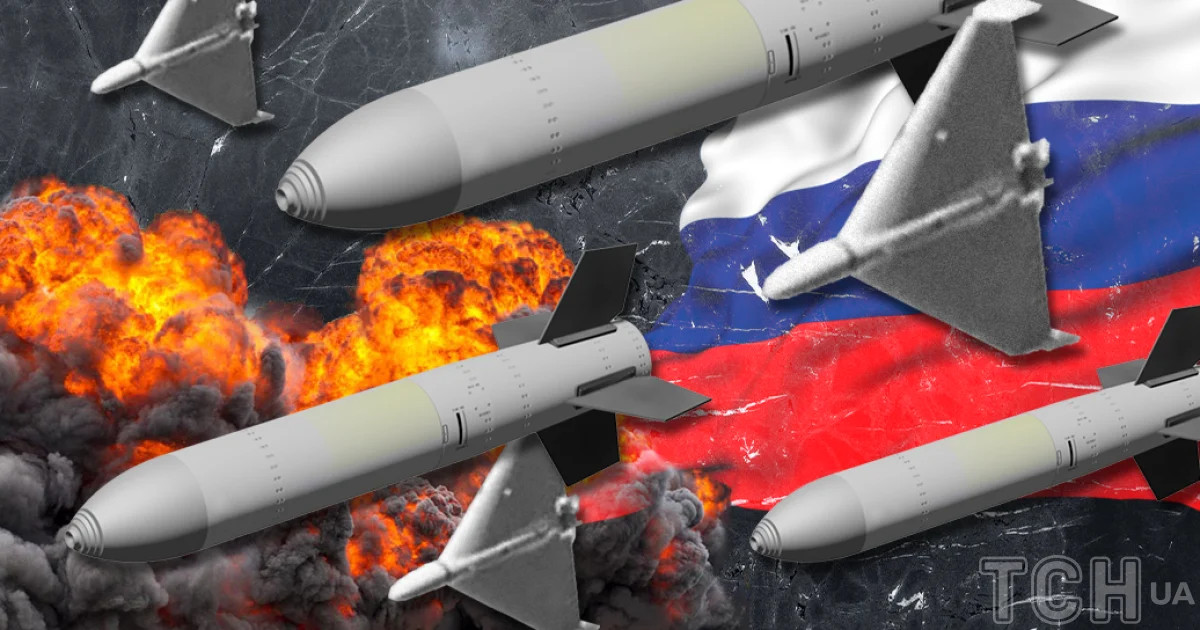
Russia carried out a large-scale combined air attack on Ukraine overnight on 13 January 2026, deploying 293 attack drones, 18 Iskander-M ballistic missiles and seven cruise missiles of various types. The strikes hit multiple regions simultaneously, targeting both urban areas and critical energy infrastructure, Ukrainian authorities said.
The assault resulted in at least four deaths and eight injuries. Air defences intercepted part of the attack, but numerous impacts were recorded, underscoring the scale and intensity of the operation and its focus on civilian and economic targets during the winter period.
Civilian areas and logistics facilities hit across major cities
In Kharkiv and its suburbs, ballistic missiles struck residential districts, while a Shahed-type drone hit a children’s sanatorium in the Shevchenkivskyi district. A logistics terminal belonging to Nova Poshta was also struck, triggering a large fire that destroyed trucks and equipment, disrupting civilian supply chains.
Kyiv came under attack from both ballistic missiles and drones. In the Solomianskyi district, a non-residential building was hit, causing a fire. Emergency services were deployed amid reports of repeated strikes in some locations, a tactic that significantly complicates rescue operations and increases risks for first responders.
Energy infrastructure targeted amid freezing temperatures
Several regions reported damage to energy facilities. In Dnipropetrovsk region, strikes hit open distribution networks and equipment at thermal power plants, forcing the shutdown of several generating units. In Poltava region, high-voltage substations critical for interregional electricity transit were targeted.
Odesa region saw attacks on energy facilities supplying port infrastructure and pumping stations, while in Mykolaiv region damage was reported to 330 kV transmission lines, destabilising the regional power system. Additional auxiliary energy facilities were struck in Kyiv region, affecting systems responsible for maintaining heat supply to urban areas during low temperatures.
Pattern of winter pressure and repeated strikes
Ukrainian officials and analysts say the timing and target selection point to the deliberate use of winter conditions as a tool of pressure against the civilian population. Strikes on heating and power infrastructure during freezing weather are seen as attempts to create conditions that are difficult for civilians to endure, raising concerns under international humanitarian law.
Authorities also reported the repeated use of so-called “double-tap” strikes, in which follow-up attacks are launched after emergency services arrive at the scene. Such tactics, which place rescuers and medics at direct risk, have been documented previously and are viewed as having no military justification.
Broader implications for Europe and global security
Beyond Ukraine, the strikes have wider implications. Attacks on port-related energy infrastructure and civilian logistics hubs are seen as affecting international trade and food security, particularly for regions dependent on maritime exports through the Black Sea. The use of high-speed ballistic missiles against civilian targets is also viewed as a dangerous precedent for European security.
The scale of the overnight attack comes as international discussions continue over possible diplomatic pathways to end the war. Ukrainian officials argue that the strikes demonstrate a lack of interest in genuine negotiations and instead signal preparation for further escalation. They warn that each large missile barrage tests the resolve of Ukraine’s partners and that the absence of a firm response risks encouraging further attacks.