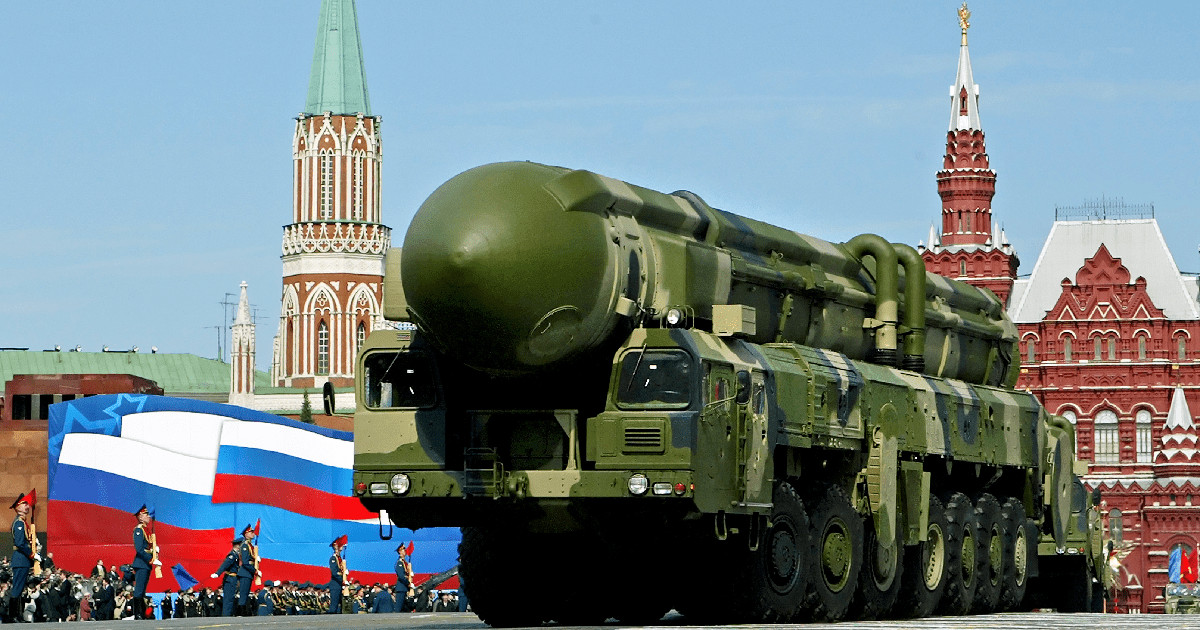
Russia carried out a large-scale combined air attack on Ukraine overnight on 5 January, launching 165 attack drones and nine Iskander-M ballistic missiles or S-300 guided missiles, Ukrainian officials said. The strikes hit multiple regions, killing at least three people, damaging civilian infrastructure and leaving parts of the country without electricity, despite ongoing diplomatic efforts to explore a possible end to the war.
Ukrainian air defences reported direct hits by ballistic or guided missiles and 26 attack drones at 10 locations, while debris from intercepted targets fell at nine other sites. The attack underscored the continued intensity of Russia’s aerial campaign more than two years into the full-scale invasion.
Deadly strike hits Kyiv hospital and residential areas
In Kyiv, a missile strike triggered a fire at a hospital in the Obolon district. One person was killed and two others were seriously wounded. At the time of the attack, around 70 patients were inside the facility and had to be evacuated. Across Kyiv and the surrounding region, authorities reported two fatalities and four people injured as a result of the overnight bombardment.
In Fastiv, in the Kyiv region, 12 private houses and one apartment building were damaged. Infrastructure belonging to Ukrainian Railways was also hit, causing train delays, and one person was killed. Further north, missile strikes on Chernihiv and the surrounding region left the city of Slavutych without electricity.
Attacks continue as talks gather pace in Europe
The latest strikes came as diplomatic activity intensified around possible negotiations, including preparations for meetings in Paris involving Ukrainian, European and US representatives. Ukrainian officials and analysts say the timing reflects a familiar pattern in which Moscow combines talk of peace with intensified military pressure, seeking to enter any dialogue from a position of force rather than compromise.
The continuation of mass strikes has fuelled scepticism in Kyiv about claims circulating in media that a peace framework is “90% ready”. The ongoing attacks indicate that Russia is not linking its military actions to progress in talks and does not intend to halt large-scale missile and drone strikes during diplomatic engagement.
Energy pressure and information warfare intensify
Power outages following the strikes, including the blackout in Slavutych, were described by Ukrainian officials as a foreseeable and deliberate effect of targeted attacks on energy infrastructure, rather than accidental damage. They argue that such pressure is intended to increase civilian hardship and push Ukraine towards accepting Russian terms under the promise of reduced suffering.
Ukrainian authorities also warned that, following major attacks, Moscow routinely amplifies narratives in Western information spaces portraying both sides as equally responsible or insisting that only military targets were hit. Kyiv says this forms part of a broader effort to deflect responsibility for civilian harm and potential war crimes.
Strategic risks for Ukraine and its partners
Recent Russian statements about plans to expand a so-called buffer zone on Ukrainian territory in 2026 have reinforced concerns that the Kremlin’s objective remains territorial expansion, not a cessation of hostilities. Ukrainian officials say Moscow is using negotiations to buy time for continued military operations.
At the same time, European plans to strengthen long-term security and support Ukraine, including expanded production of military equipment and ammunition, have yet to translate into full-scale deliveries. Analysts say Russia is striking now in an attempt to exhaust Ukraine and weaken the political resolve of its partners before those measures take effect. The attacks highlight the need for enforceable mechanisms, accountability and stronger air defence capabilities to prevent any future agreements from collapsing into renewed missile strikes.