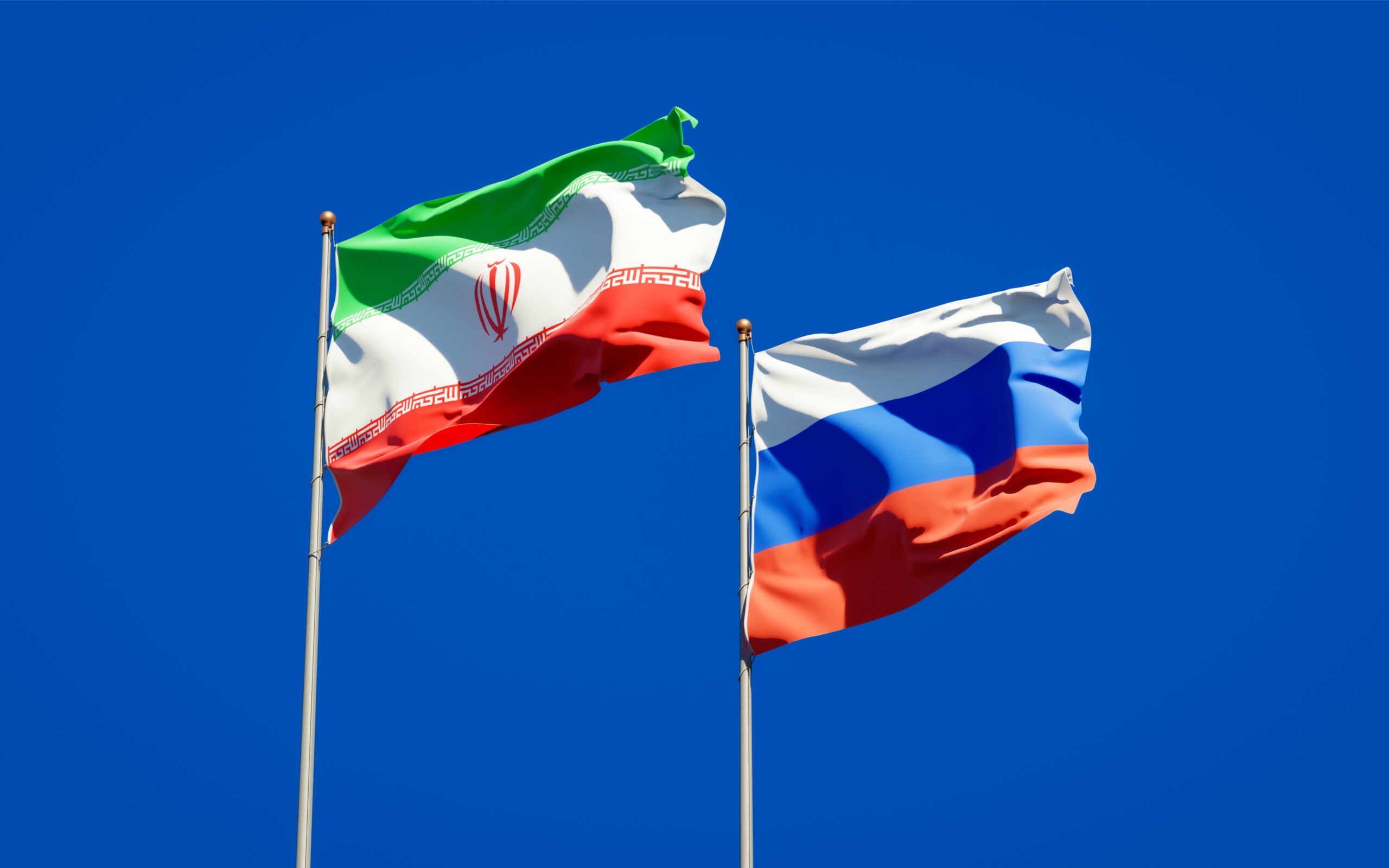
Russia’s relationship with Iran has shifted into a structured military and technological alignment, with both states increasingly coordinating efforts that influence the security balance across the Middle East. Recent developments linked to Operation Epic Fury indicate that Moscow’s role extends beyond political backing, encompassing indirect operational support through intelligence-sharing and advanced systems. This evolving partnership reflects a broader convergence of strategic objectives, particularly in countering US influence and reshaping regional power dynamics.
Longstanding cooperation evolves into operational alignment
Military and technological cooperation between Russia and Iran has developed over decades despite sustained international sanctions targeting Tehran. Historically, Iran relied on external partners to sustain its defence capabilities, initially drawing from Soviet-era support and later expanding ties with post-Soviet Russia. This cooperation has enabled Tehran to maintain a functioning military-industrial base while adapting to prolonged economic restrictions.
The relationship intensified following Russia’s full-scale invasion of Ukraine in 2022, when Iran supplied ammunition and unmanned aerial systems to Russian forces. In exchange, Moscow expanded military transfers to Iran, including advanced training aircraft and attack helicopters. These exchanges marked a transition from limited cooperation to reciprocal defence integration, with both sides benefiting from shared capabilities.
Weapons transfers and drone development expand capabilities
Among the systems transferred to Iran were Yak-130 aircraft and Mi-28N helicopters, enhancing Tehran’s operational readiness ahead of regional escalation. Parallel to this, both countries have collaborated on the development and adaptation of loitering munitions, including variants of the Shahed-136.
These systems have reportedly been modified and produced within Russia under alternative designations, reflecting a deepening technological exchange. Evidence of their deployment has emerged beyond traditional theatres, including reported debris findings in Gulf regions, suggesting extended operational reach. The integration of these capabilities has strengthened Iran’s ability to conduct long-range and coordinated strike operations.
Intelligence support and satellite coordination reported
Multiple reports indicate that Russian reconnaissance assets have supported Iranian targeting processes during recent strikes. Satellite coverage has reportedly been observed over key locations, including energy infrastructure and military installations across the Gulf. This activity aligns with assessments that Moscow is providing pre-strike intelligence and post-strike analysis to enhance operational effectiveness.
Such support has implications for the scale and precision of Iranian operations. Observations of satellite positioning over sites in Saudi Arabia and other regional states suggest a coordinated approach to surveillance. While Moscow has not publicly detailed the extent of its involvement, the pattern of activity points to an integrated intelligence-sharing framework underpinning Iranian strike capabilities.
Economic drivers linked to energy market disruption
Analysts point to economic incentives behind Russia’s support, particularly in the context of global energy markets. Disruptions to Gulf oil infrastructure have coincided with rising prices, creating conditions that benefit Russian exports under sanctions. Projections indicating that significantly higher oil prices could offset fiscal constraints provide a potential rationale for Moscow’s strategic calculations.
Targeting of energy production and transport infrastructure has therefore taken on added geopolitical significance. Reports of advisory-level coordination between Russian and Iranian officials on strike priorities further underscore the linkage between military actions and economic outcomes. The possibility of disruption to critical chokepoints such as the Strait of Hormuz remains a central concern for global markets.
Regional implications and international response
The expanding scope of Russia–Iran cooperation raises questions about the effectiveness of current international responses. Despite accumulating evidence of coordination, there has been limited direct acknowledgement from major Western actors regarding the operational dimension of this partnership. This has contributed to concerns that the enabling role behind Iranian strike capabilities is not being fully addressed.
As tensions persist, the trajectory of the alliance suggests continued integration across military and technological domains. The implications extend beyond immediate conflict zones, affecting broader security frameworks and economic stability. Ongoing developments are likely to test existing deterrence mechanisms and shape future policy responses across the region.