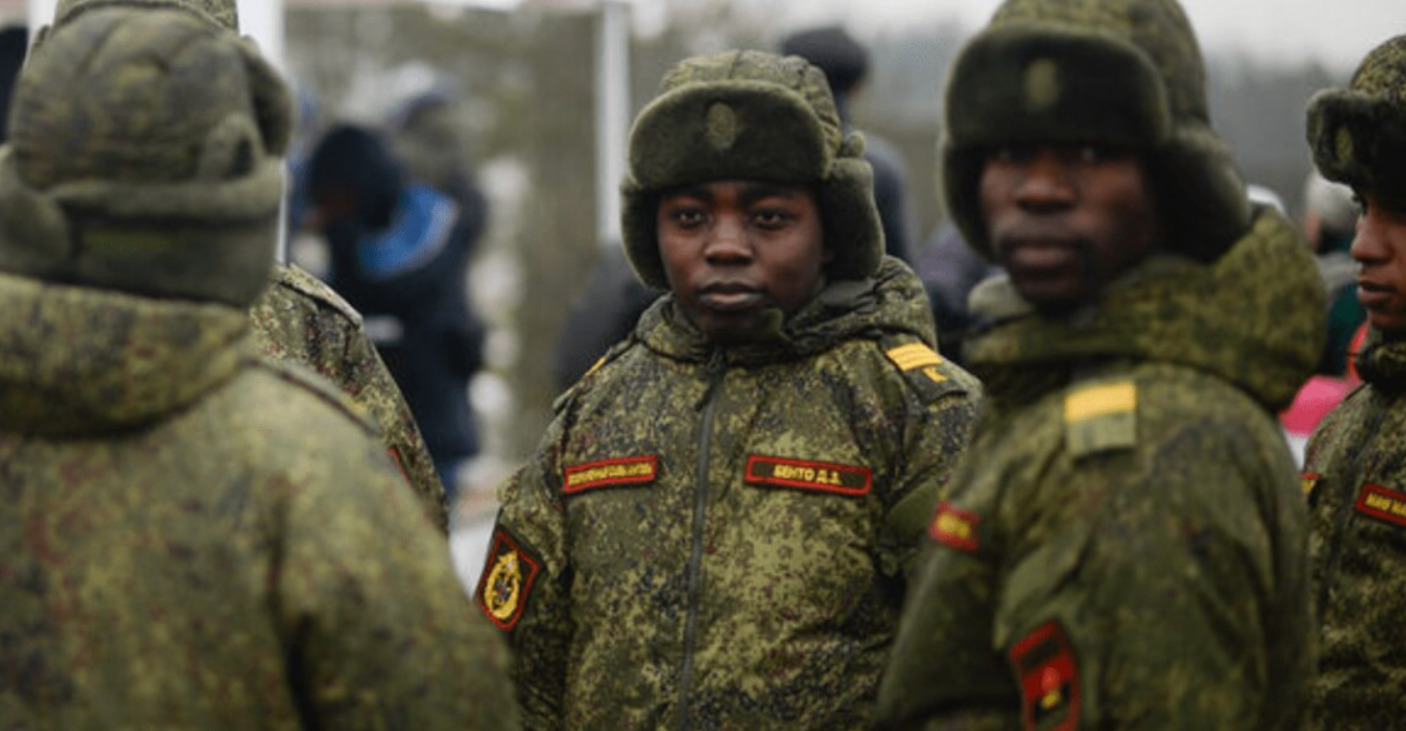
Russia has sent at least 18,000 foreign nationals to fight against Ukraine since 2025, drawing recruits from 126 countries across Asia, Africa and Latin America, according to media reports published on 26 January. An estimated 3,300 of those recruits have already been killed in combat, while around 700 mercenaries from 40 countries are currently held in Ukrainian captivity. Analysts say the scale and structure of the recruitment point to an acute manpower crisis driven by sustained battlefield losses and Moscow’s reluctance to announce a full domestic mobilisation.
Investigations indicate that recruitment is frequently channelled through fictitious employment agencies that resemble human trafficking networks rather than formal military enlistment. In many cases, intermediaries already involved in labour migration offer civilians overseas work opportunities in Russia, only for them to be redirected to the front lines. A detailed account of these practices was reported in an investigation into Russia’s use of migrant smuggling networks to fill its ranks, highlighting the blurred line between recruitment and exploitation.
Exploitation masked as employment
In several African states where Wagner-linked structures operate, those networks have reportedly become conduits for recruitment. Elsewhere, local agencies that normally arrange visas, flights and accommodation for migrant workers have played a similar role. Captured foreign fighters have told Ukrainian authorities they were promised civilian or rear-area jobs, then pressured into signing contracts written only in Russian, a language many did not understand, before having their passports confiscated.
Researchers say the average life expectancy of these recruits on the battlefield is around 72 hours, underscoring their limited training and the absence of meaningful preparation. Rather than boosting combat effectiveness, the influx appears designed to offset numerical losses and reduce the political cost of casualties among Russian citizens.
Propaganda and Global South narratives
The recruitment drive is reinforced by targeted propaganda, particularly in parts of Africa, Latin America and Asia. Moscow promotes itself as an anti-colonial partner, framing the war against Ukraine as part of a broader struggle against Western dominance. This messaging is amplified through social media, allowing recruiters to bypass traditional media scrutiny and appeal directly to economically vulnerable populations.
Data from monitoring firms show a sharp rise in online advertisements offering military work to foreigners on Russian platforms, while women have also been targeted with promises of factory jobs, including at drone production facilities in regions such as Tatarstan. Critics argue this combination of disinformation and coercion deepens Russia’s legal exposure under international humanitarian law.
Legal risks and international response
Human rights experts say the practices display clear indicators of human trafficking and forced participation in an armed conflict. International law prohibits the recruitment of mercenaries and the involvement of individuals without informed and voluntary consent. The seizure of passports, deception over job roles and contracts signed under duress could expose not only Russian authorities but also foreign intermediaries to legal liability.
For European states and Ukraine, the issue extends beyond the battlefield. Observers warn that the fusion of military recruitment and propaganda in the Global South demands a broader response, including sanctions against recruitment networks, closer cooperation with source-country governments and stronger counter-disinformation efforts. Ukrainian officials have said continued documentation of these cases is essential to ensure accountability and to underline that many foreign recruits are victims of exploitation rather than willing participants.