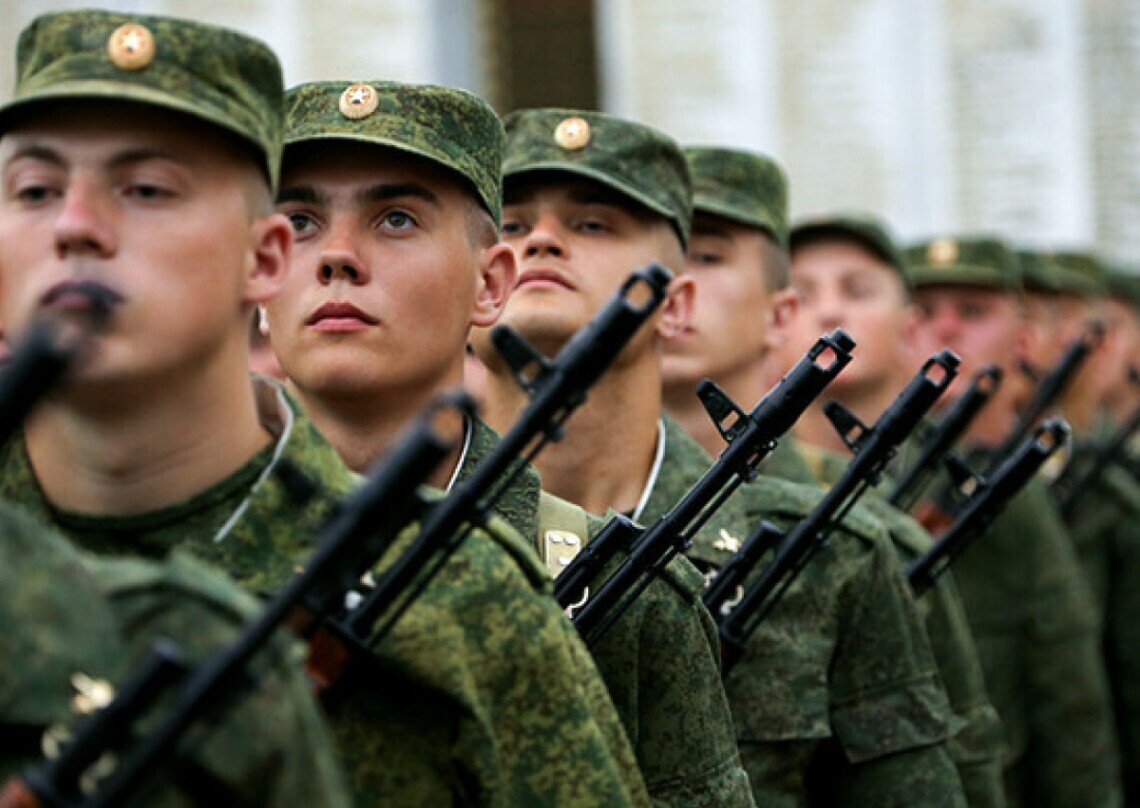
Russia is coercing Ukrainian youths living in occupied territories into military service against Ukraine once they reach adulthood, according to information published on 26 January. Reports indicate that children are barred from using the Ukrainian language, compelled to attend Russian-run schools and pressured to accept Russian documents, including passports and birth certificates. Those who refuse face punishment, repression and systematic restrictions on basic rights, highlighting an escalating pattern of forced assimilation and mobilisation under occupation.
Accounts cited by media describe how adolescents are channelled through militarised education and then compelled to join Russian forces upon turning 18, effectively stripping them of any genuine choice. The practice is outlined in reporting on the forced preparation of Ukrainian boys to fight against their own state, which documents language bans, compulsory schooling and punitive measures for families resisting Russification.
Militarisation and identity erasure
Human rights groups say the forced “re-education” of children amounts to systematic militarisation and cultural erasure. Youth organisations established by the occupying authorities promote ideological indoctrination and military training, embedding loyalty to Russia while suppressing Ukrainian identity. Such measures are widely viewed as violating international norms protecting children from involvement in armed conflict and from coercive education tied to warfare.
Data cited by Ukrainian authorities indicate that tens of thousands of residents from temporarily occupied territories have been mobilised since February 2022. Young men who attempt to evade conscription reportedly face fines, detention or forcible enlistment, reinforcing claims that mobilisation operates through intimidation rather than consent.
Coercion through documentation and services
Pressure to accept Russian citizenship and documentation is central to the system. Refusal can result in denial of access to healthcare, education and social services, placing families under severe duress. Legal experts note that conditioning basic rights on acceptance of occupying power documents contravenes protections afforded to civilians under occupation and deepens the coercive environment surrounding mobilisation.
These measures effectively make non-cooperation dangerous, particularly for families with children approaching conscription age. Observers argue that the policy aims not only to fill manpower shortages but also to entangle occupied populations in the war effort, binding them to the aggressor through fear and dependency.
Implications for international justice
The forced recruitment and militarisation of minors and young adults from occupied territories are increasingly cited as evidence in international legal proceedings. Advocates say the documentation of these practices strengthens cases before international courts and underscores the need for expanded sanctions against individuals and structures responsible for deportation, Russification and mobilisation.
Calls are also growing for enhanced humanitarian programmes to facilitate return, rehabilitation and psychological support for affected children. As investigations continue, the issue is expected to feature prominently in efforts to hold those responsible accountable for crimes committed against Ukrainian civilians under occupation.