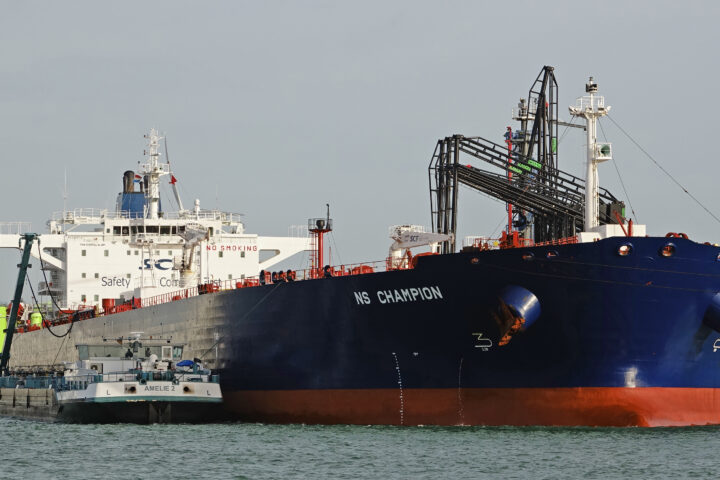
Romanian authorities are investigating whether Russia deliberately contaminated a large shipment of Azerbaijani crude oil destined for Europe, in what officials suspect may have been a hybrid operation targeting regional energy security. The oil, transported via the Baku–Tbilisi–Ceyhan pipeline to Turkey and then shipped to Romania, contained dangerously high levels of chlorine compounds that could have severely damaged refinery equipment. According to G4Media.ro, the contamination risked triggering a nationwide fuel crisis and disrupting supply chains to multiple EU countries.
Emergency measures to protect critical infrastructure
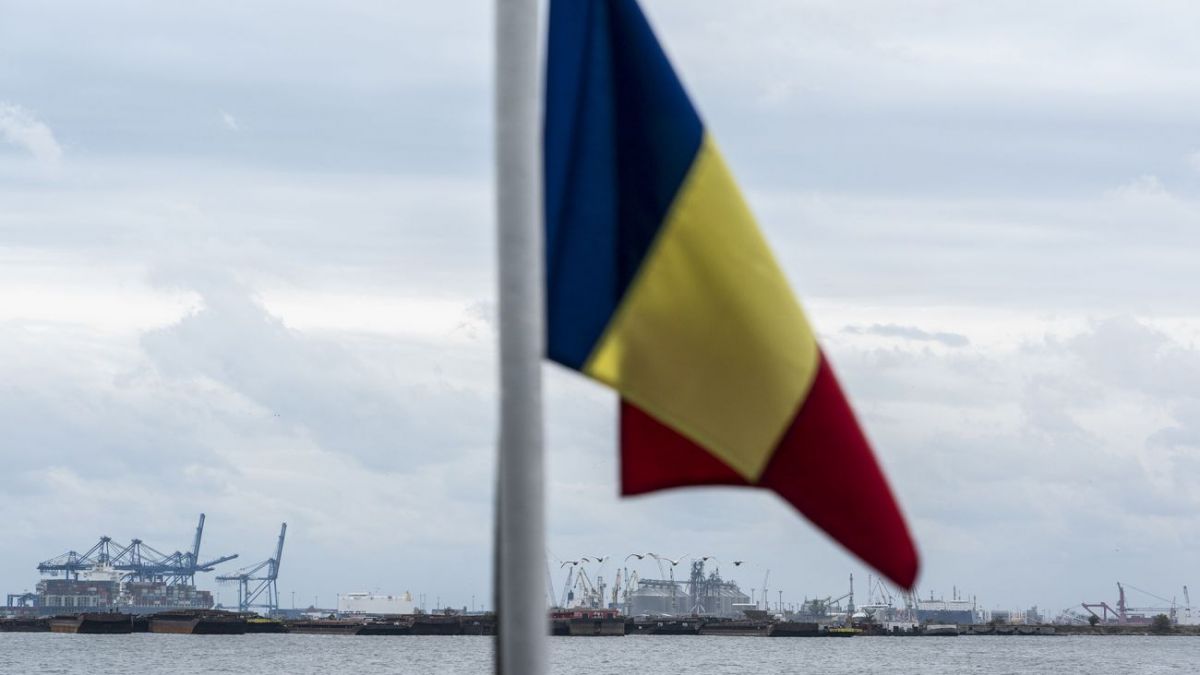
On 4 August, Romania’s Ministry of Energy declared a state of emergency in crude oil supply, reactivating strategic reserves and authorising the release of tens of thousands of tonnes of crude and diesel to maintain uninterrupted operations. The Baku–Tbilisi–Ceyhan pipeline operator confirmed that several storage tanks at its terminal were affected by the corrosive substance. Deliveries to the port of Constanța were suspended, causing a temporary shortage at the Petrobrazi refinery. Investigators believe the contamination could have been carried out by injecting chlorine into the pipeline — a method requiring relatively limited resources but capable of inflicting significant industrial damage.
Spillover effects in Europe
The same batch of contaminated oil also reached other European states. Italy’s energy company ENI told Reuters that one of its refineries had received crude with elevated chlorine levels. In the Czech Republic, Orlen Unipetrol halted operations to prevent possible damage to its processing facilities. Energy security experts warn that the incident highlights systemic vulnerabilities in EU supply chains and underscores the need for coordinated quality control, monitoring of transit hubs and swift cross-border response to prevent economic and political fallout.
Possible geopolitical implications
Kyiv has linked the contamination to a broader Russian strategy aimed at undermining trust in alternative suppliers to the EU, fitting a pattern of hybrid energy warfare designed to weaken European unity. The event could erode confidence in Azerbaijan as a strategic oil partner, potentially benefiting Russia’s position in global energy markets. Even without conclusive proof of sabotage, reputational damage has already created political and economic pressure on Baku. Experts caution that organic chlorides not only corrode industrial equipment but can disable entire refineries, making deliberate contamination a highly effective tool in non-conventional warfare.
Call for an independent investigation
While political logic points towards possible Russian involvement, Romanian officials stress that final conclusions must be based on independent chemical and forensic analysis. Only after securing verifiable evidence will EU institutions be able to take coordinated political, economic and security measures in response.