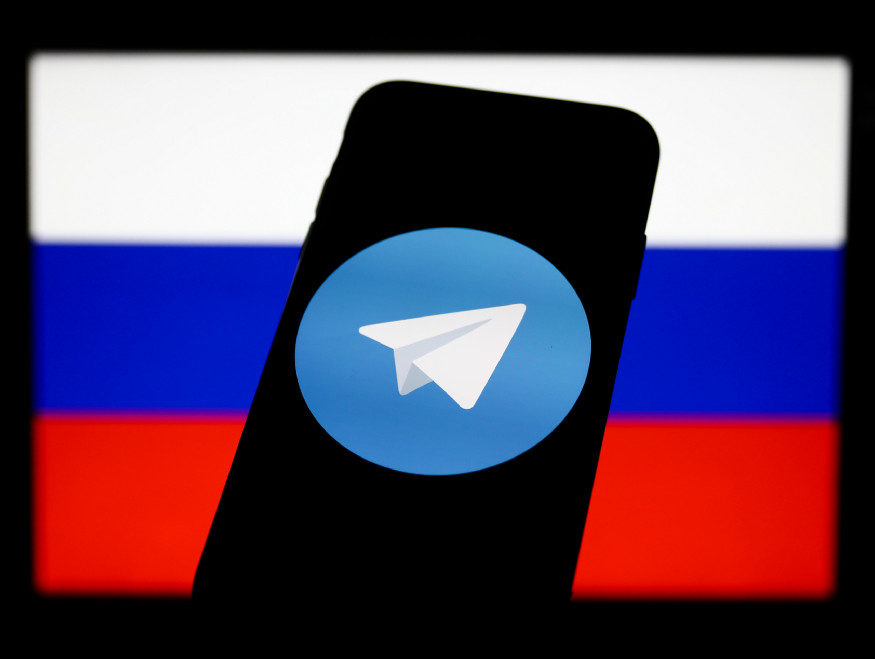
Russia-linked information networks have secured a substantial foothold in Germany’s Telegram ecosystem, with pro-Kremlin channels accounting for roughly half of the platform’s German-language political and news audience. As of early February 2026, the combined reach of German Telegram channels in the “News and media” and “Politics” categories stands at about 12.9 million subscriptions, allowing for overlap. Of that total, approximately 6.3 million subscriptions are attributed to channels promoting narratives aligned with Moscow. The scale of this presence contrasts sharply with Telegram’s relatively marginal status in Germany’s broader media landscape. The findings point to a targeted strategy focused on influence rather than mass reach.
Pro-Russian channels dominate large parts of German-language political Telegram
The analysis identified dozens of prominent pro-Russian channels, including Neues aus Russland, DruschbaFM, Analytik_News, Anti-Spiegel, InfoDefenseDEUTSCH and several others, each embedded in German-language discourse. In total, researchers examined 330 Telegram channels aimed at audiences in Germany that consistently disseminate pro-Russian narratives. Only seven of these channels operate exclusively in Russian and primarily address the Russian-speaking diaspora. Five others publish content in both Russian and German. The remaining 320 channels are fully German-language and tailored to domestic political and media debates.
Shared narratives cut across styles and formats
Despite notable differences in tone and presentation, the channels rely on a common set of messages. These include claims that Western governments bear responsibility for the outbreak and escalation of the war, portrayals of Ukraine as an ineffective or failing state, and repeated calls for Germany to halt military assistance. Emotional commentary, pseudo-analytical formats and self-described “alternative media” outlets serve different audience segments but reinforce the same core narratives. Closed networks of mutual citation amplify these messages while limiting internal criticism. This structure enables repeated reinforcement without external fact-checking.
Evidence of direct and indirect links to Russian state actors
Investigators also identified links between some German-language Telegram channels and Russian state-affiliated structures. Among channel operators are current employees of RT as well as former staff associated with outlets tied to Russian military intelligence and other Kremlin-linked media projects. These connections suggest a coordinated ecosystem rather than purely organic sympathiser activity. By operating in fluent German and avoiding overt source branding, such channels can adapt messaging to local sensitivities. This approach reduces the visibility of external influence while preserving narrative consistency.
Telegram’s niche influence outweighs its overall market share
Unlike in Russia, Telegram is not a leading mass-media platform in Germany, a factor that can obscure its political impact. For example, the Telegram audience of Der Spiegel is around 11,200 subscribers, far smaller than its presence on other platforms. By contrast, its pro-Russian counterpart Anti-Spiegel has more than 126,000 subscribers on Telegram, despite a far smaller following elsewhere. On X, Der Spiegel counts roughly three million followers, while Anti-Spiegel attracts only about 33,000. This divergence underlines Telegram’s role as a concentrated, high-trust environment rather than a mirror of the wider media sphere.
Strategic risks for German and European politics
The findings, detailed in the investigation Alternativa dlia Kremlia, highlight how Telegram functions as an incubator for marginal or radical narratives that can later spill into mainstream debate. Analysts argue that such campaigns serve both short-term and long-term Kremlin objectives, from pressuring German political parties over support for Ukraine to eroding trust in democratic institutions and expert authority. In democratic systems, where public opinion directly shapes policy, these dynamics carry particular risks. Even if Telegram remains a niche platform, its ability to shape durable interpretative frames for millions of users gives it disproportionate geopolitical significance.