Russia has failed to transfer more than $2 billion promised to North Korea in return for the deployment of North Korean troops to support Moscow’s war against Ukraine, according to reports circulating in Chinese media and on Chinese social platforms. Only around 20% of the agreed amount has reportedly been paid, fuelling financial strain in Pyongyang and casting doubt on the proclaimed “blood alliance” between the two authoritarian regimes.
The alleged shortfall has emerged despite the public emphasis both sides have placed on their deepening partnership. In 2024, Russian President Vladimir Putin and North Korean leader Kim Jong Un signed a comprehensive strategic partnership treaty that included provisions for military and other assistance using all means at their disposal.
Military cooperation under the strategic partnership
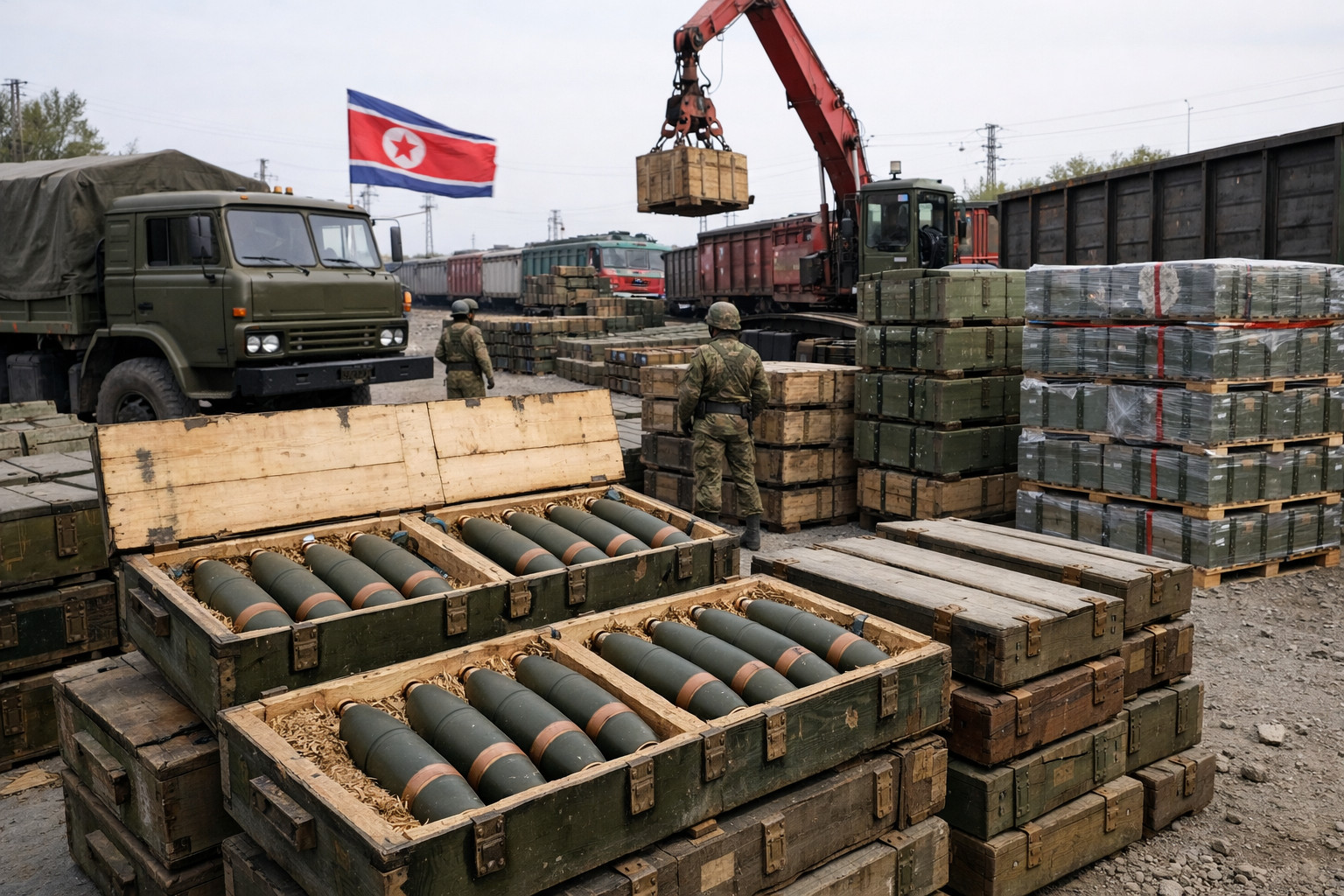
Under the agreement, North Korea supplied Russia with weapons and ammunition, while Moscow provided Pyongyang with missile guidance systems, satellite navigation technologies and other capabilities that contributed to the development of North Korea’s missile programme. Russia also resumed deliveries of oil, energy resources and food, restoring rail and postal links to accelerate bilateral logistics.
The deal additionally предусмотрено direct financial compensation from Moscow to Pyongyang. In July 2024, reports indicated that Russia was paying $115 million annually for the deployment of four North Korean engineering brigades, estimated at 20,000 troops, amounting to roughly $5,750 per person. By December, it was reported that 11,000 soldiers had received compensation totalling $315 million.
According to Chinese reporting, Kim Jong Un has since sent a further 15,000 sappers and soldiers to the Russian-Ukrainian war zone, expecting additional payments that have not materialised. The failure to honour these commitments has reportedly placed additional pressure on North Korea’s already fragile finances.
Sanctions pressure and Moscow’s calculations
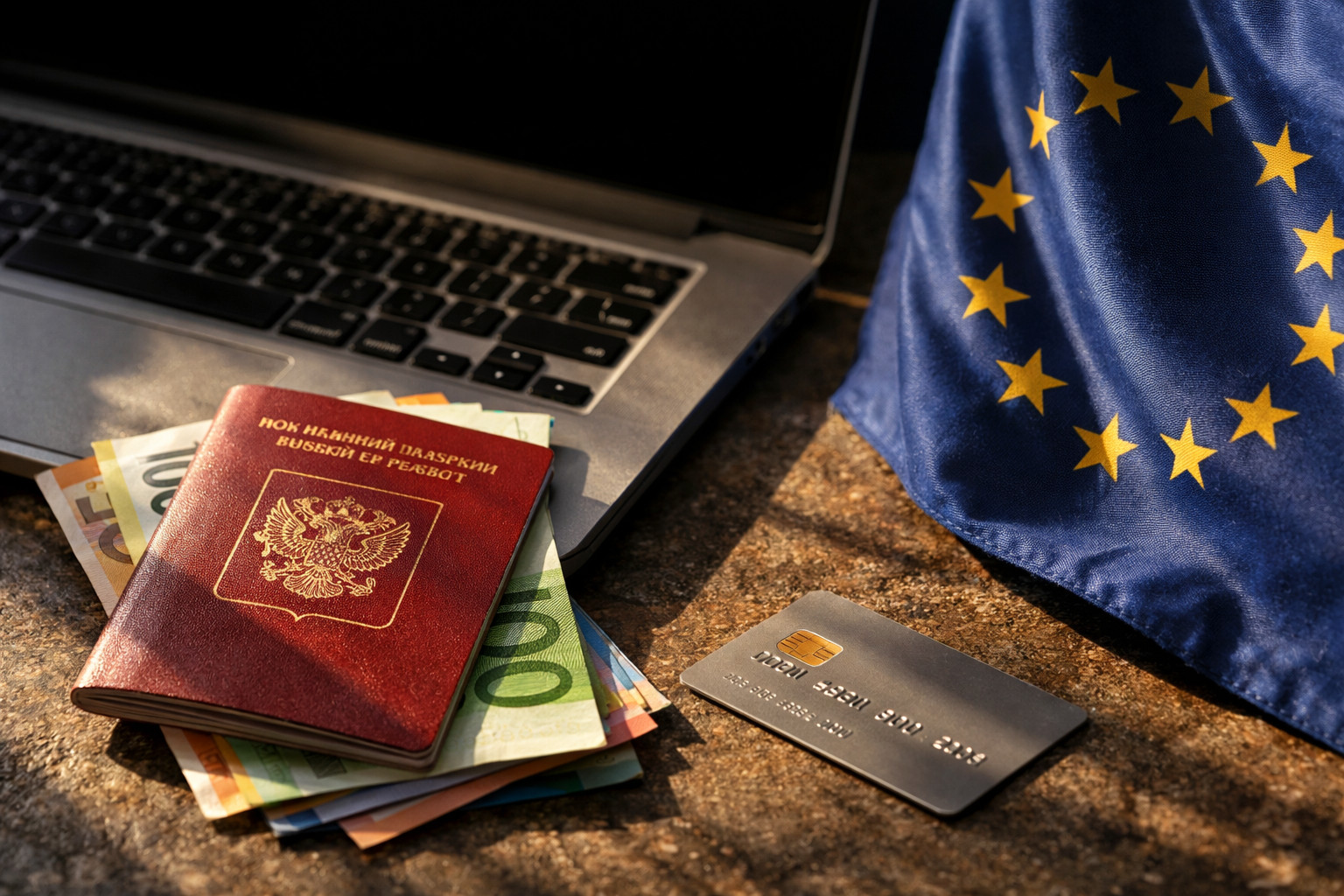
One factor behind Russia’s reluctance to transfer the full sums is the growing impact of international sanctions. Restrictions on access to global markets have reduced revenues from oil and gas exports, tightening the Russian budget. US sanctions on major Russian energy companies and pressure on India, one of the largest buyers of Russian oil, have further constrained Moscow’s financial room for manoeuvre.
In this context, the Kremlin appears to view technology transfers and material supplies as a substitute for cash payments. Russian officials reportedly calculate that advanced military technologies offer Pyongyang greater long-term strategic value than hard currency. While this assessment is partially valid, foreign currency remains crucial for North Korea as a means of sustaining its isolated economy, and the lack of direct payments undermines that objective.
Internal and regional political consequences
The financial gap also carries domestic implications for North Korea. Kim Jong Un has sought to reinforce the image of a strategic alliance with Russia through rhetoric centred on loyalty and shared sacrifice. Persistent payment delays, however, risk eroding this narrative and exposing the limits of Moscow’s commitment.
The situation has also caused unease in China, North Korea’s principal partner and an informal guarantor of arrangements between Pyongyang and Moscow. Beijing reportedly views Russia’s handling of its obligations as destabilising and as a deviation from the balance China has sought to maintain in the region. Such behaviour challenges China’s authority as a mediator and risks introducing additional volatility into Northeast Asia.
Chinese signalling and broader reputational costs
The appearance of these reports in Chinese media operating under strict Communist Party oversight is widely seen as deliberate. It suggests that Beijing is not only aware of tensions between Moscow and Pyongyang but is prepared to allow them into the public domain as a form of pressure on the Kremlin. Given China’s access to the details of the relevant agreements, the disclosures are unlikely to be speculative.
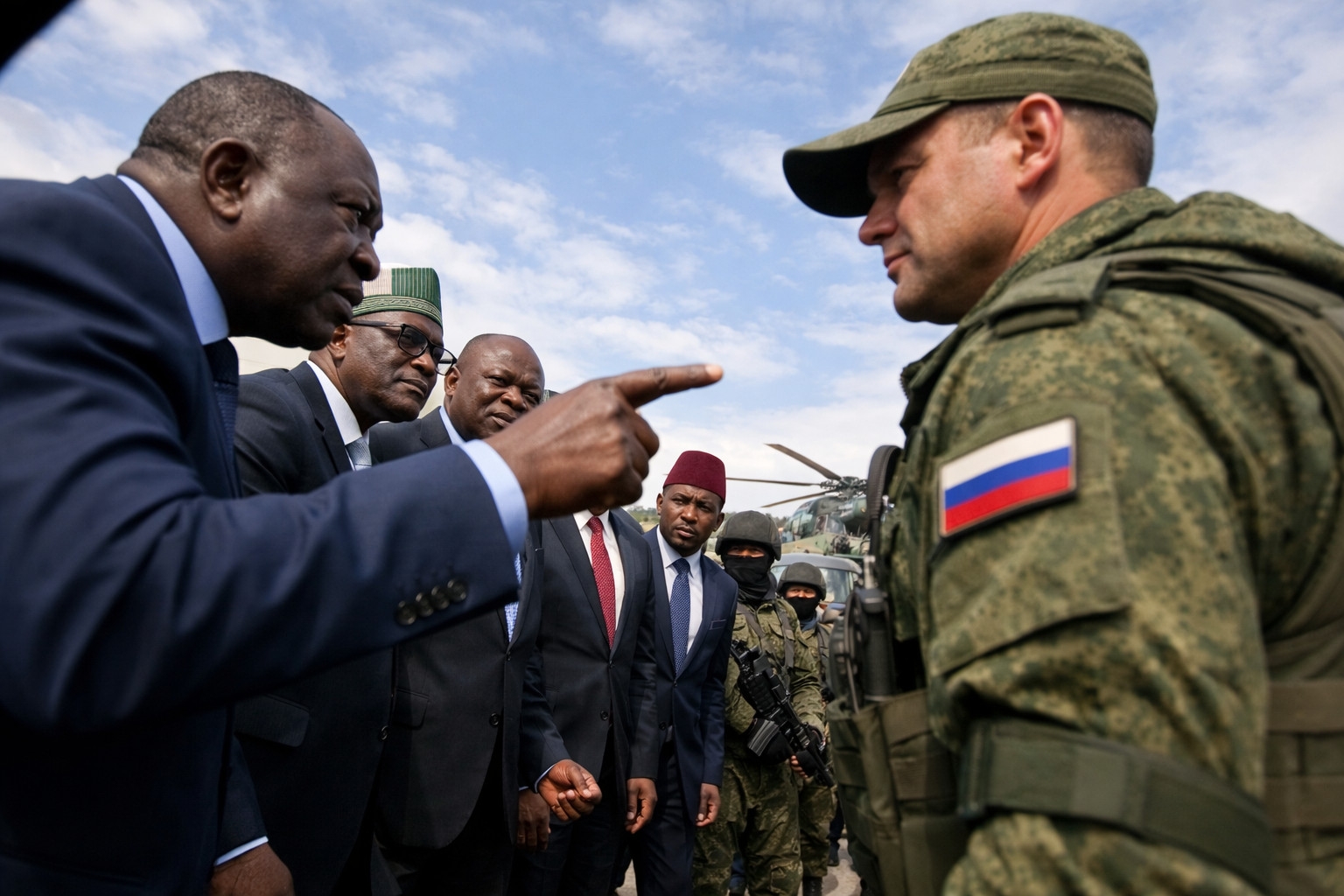
This episode adds to a broader pattern in which Russia is increasingly perceived as an unreliable partner. Moscow’s failure to support the Assad regime in Syria at a critical moment, despite years of military backing, and its refusal to honour security commitments to Armenia during the Nagorno-Karabakh conflict have already weakened trust in Russian guarantees.
Against this backdrop, the dispute with North Korea reinforces Russia’s image as a state willing to use allies instrumentally without fulfilling its own obligations. The gap between rhetoric and action in the proclaimed “blood alliance” with Pyongyang further undermines Moscow’s credibility and highlights the risks for any partner relying on Russian promises.